We Asked the ‘Future of Truth’ Author to Explain How He Used AI. It Didn’t Go Well
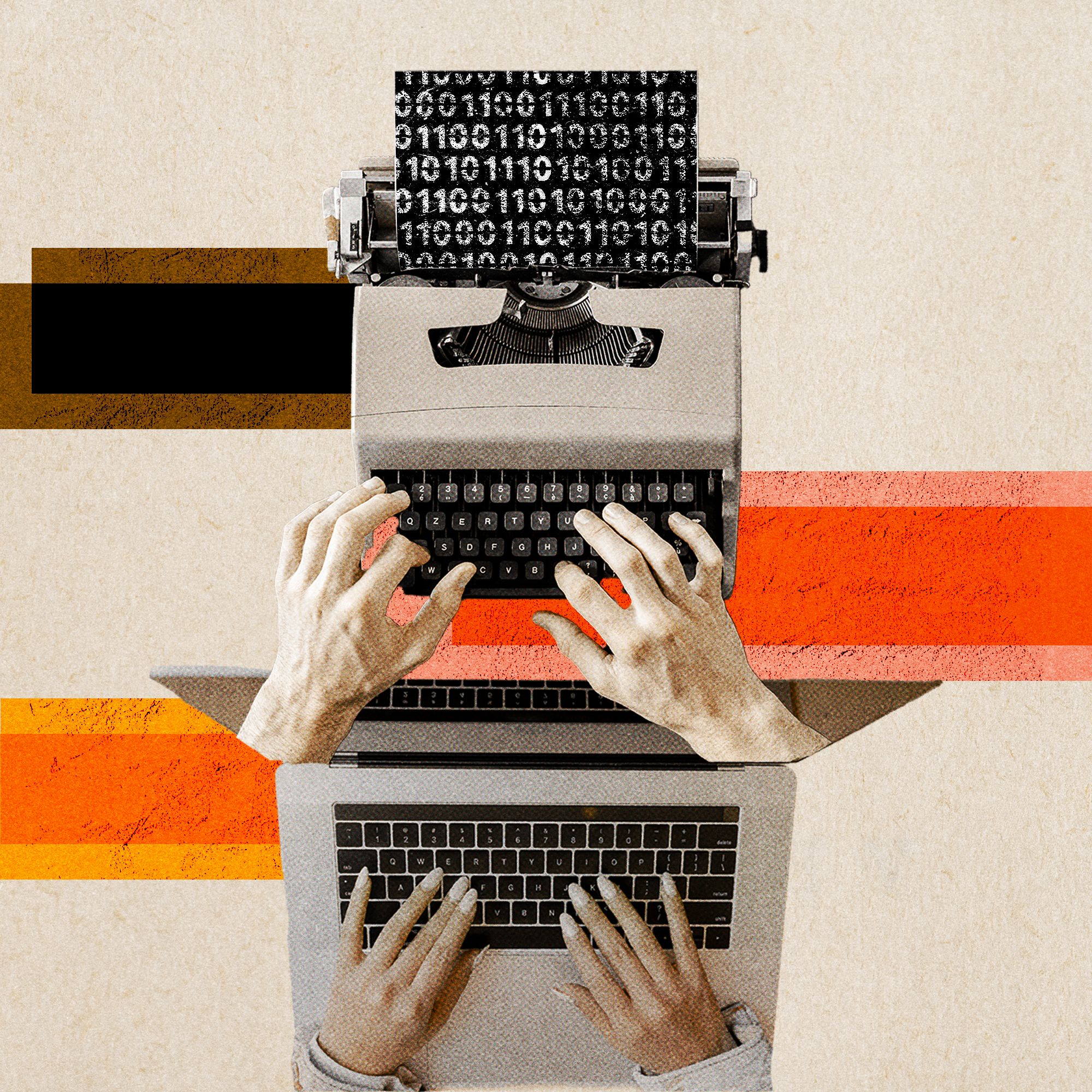
A typewriter clacked in the background as a reader scrolled through an excerpt from The Future of Truth, a book that promised to explore the murky waters of AI’s influence on truth and perception. But instead of the sharp, incisive prose one might expect from a work so critically attuned to the subject, the text seemed oddly smooth, almost too polished. The revelation that the book had used AI-generated or misattributed quotes sent ripples through the media and publishing worlds, raising uncomfortable questions about authenticity and authorship in the age of generative AI.
The Paradox of a Book on AI's Impact
Rosenbaum’s The Future of Truth was meant to be a cautionary tale about the dangers of AI in shaping public discourse. Instead, it became a case study in the very phenomenon it sought to critique. The book’s author admitted to using AI tools during the research and editorial development phases, but insisted that the final product was his own work, not the output of a machine. This distinction, however, is increasingly blurred as AI tools become more integrated into the creative process.
AI tools were used for source discovery and brainstorming.
Rosenbaum claimed the ideas and arguments were his own.
He defended the use of AI as a necessary tool in modern writing.
The irony is not lost on critics: a book that warns of AI’s erosion of truth is itself embroiled in a controversy over fabricated content. This contradiction underscores a growing tension in the industry—how to use AI responsibly without compromising the integrity of the work.
A Fractured Landscape of AI Use in Media
The controversy around Rosenbaum’s book highlights a broader issue: the lack of clear boundaries around AI use in writing. Some outlets are embracing the technology, while others remain cautious. A recent study by MuckRack found that 82 percent of journalists use AI in their workflow, but the nature of that use varies widely.
- 82% of journalists use AI for tasks like transcription or research.
- Only 25% use AI for writing assistance.
- The distinction between research and writing is a key point of debate.
Rosenbaum’s defense of AI as an essential writing tool has drawn both support and criticism. He argues that the pressure on writers to produce content in an AI-saturated world is real, and that outright rejection of the technology is impractical. But he also acknowledges that AI can introduce errors and hallucinations into the process, complicating the line between authorship and automation.
The Future of Authorship in an AI-Driven World
As AI becomes more prevalent in journalism and publishing, the question of authorship will continue to evolve. Some see it as a tool that enhances productivity, while others fear it undermines the value of human insight and creativity. The response from WIRED, which retracted the excerpt after concerns arose, suggests that the industry is still grappling with how to regulate and respond to AI’s role in content creation.
For now, the publishing world remains divided. But as AI tools become more advanced and accessible, it’s likely that the rules—and expectations—will shift. Whether that shift leads to a more efficient, collaborative media landscape or a fragmented, unreliable one is still uncertain. One thing is clear: the future of truth, and the future of authorship, are being written in real time.