HP Omnibook 3 Review: Redefining the Budget Laptop
A college student, hunched over a cluttered desk, stares at the screen of a laptop that feels more like a relic than a modern device. The plastic frame creaks under the weight of a textbook, the keyboard has a slight wobble, and the speakers can barely be heard over the hum of a nearby air conditioner. This isn't the future of computing—it’s what many expected from a budget laptop just a few years ago. But the HP Omnibook 3 is changing that narrative, offering a compelling blend of performance, features, and price that challenges the notion that budget laptops must compromise on quality.
A Solid Alternative to the MacBook Neo
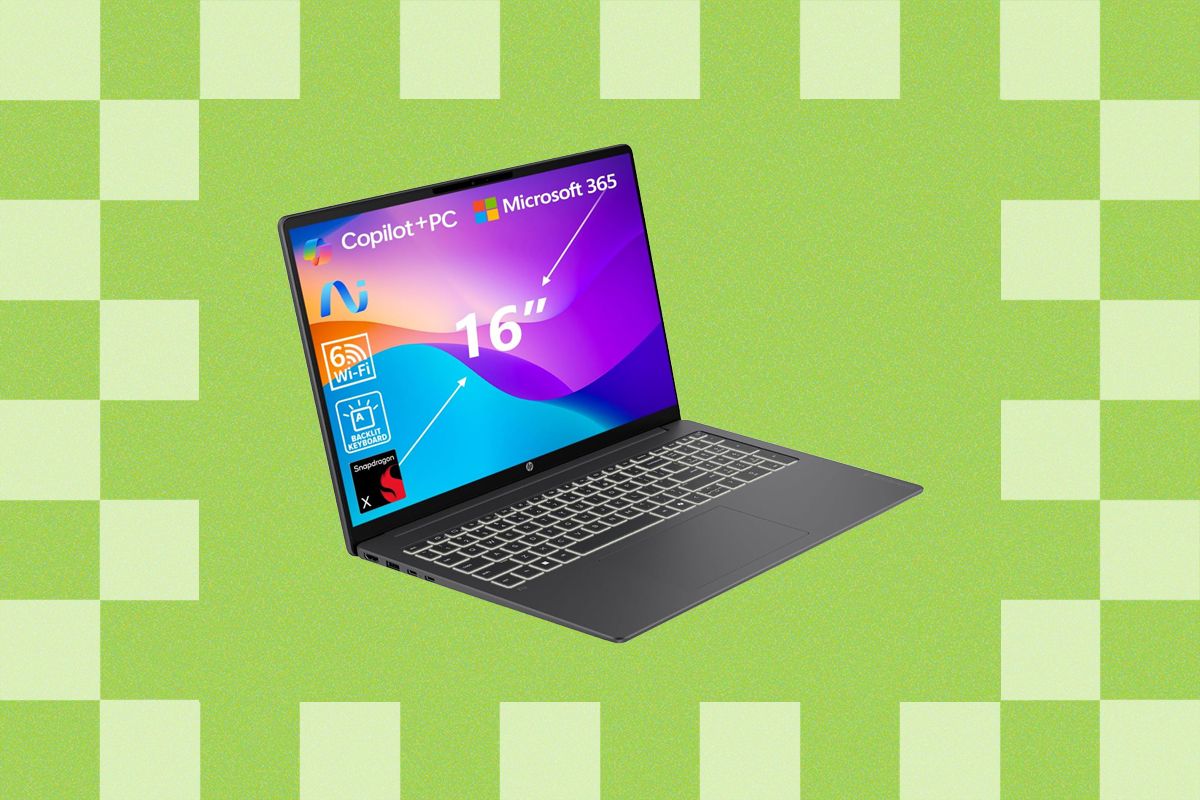
The HP Omnibook 3 is positioned directly in the shadow of the MacBook Neo, a device that set a new benchmark for what a $600 laptop could achieve. While the Omnibook 3 lacks the sleek, minimalist design of its competitor, it compensates with practicality and performance. It features 16 GB of RAM and 512 GB of storage, double what the MacBook Neo offers, making it an attractive option for users who need more memory for multitasking or running demanding applications.
The Snapdragon X processor provides efficient performance, rivaling the MacBook Neo in many aspects. Battery life is impressively long, holding up for nearly 24 hours on light use. A colorful OLED display enhances visual experiences, though brightness is a concern in bright environments.
Design Compromises for Practicality
The Omnibook 3 is not a looker. Its plastic chassis and thickness may not win any design awards, but it feels sturdy and well-built. The laptop’s 0.7-inch thickness might feel bulky compared to the MacBook Neo’s slim profile, but the tradeoff is a more robust build that can withstand the rigors of daily use.
- The touchpad is a point of contention, feeling cheaper than its competitors.
- The keyboard is a highlight, with a clicky feel and a built-in number pad.
- Ports are a mixed bag, with USB-A ports that feel outdated but offer practical connectivity.
Performance That Meets Expectations
At the heart of the Omnibook 3 is the Snapdragon X chip, a powerful yet efficient processor that allows the laptop to handle modern tasks with ease. While it may not excel in gaming due to its ARM architecture, it more than holds its own for everyday computing, video editing, and light multitasking. The increased RAM ensures that even when running multiple browser tabs and applications simultaneously, the system remains responsive and fluid.
Battery life is a standout feature, outperforming many competitors in the same price range. The display is vibrant and clear, especially in the OLED version, though it lacks the brightness of the MacBook Neo. Sound quality remains a weakness, with speakers that are adequate for casual use but fall short for media consumption.
A Meaningful Choice in the Budget Segment
While the HP Omnibook 5 offers a more refined experience with a thinner design and better performance, the Omnibook 3 remains a reliable option for those who prioritize value over form. At around $500 to $600, it’s a consistent performer that doesn’t require constant price monitoring, unlike its more premium sibling.
The Omnibook 3 is not perfect, but it’s a thoughtful response to the MacBook Neo’s dominance in the budget laptop market. For users who need a reliable machine without breaking the bank, it’s an excellent alternative. As budget laptops continue to evolve, the Omnibook 3 sets a new standard, proving that price doesn’t have to mean compromise.