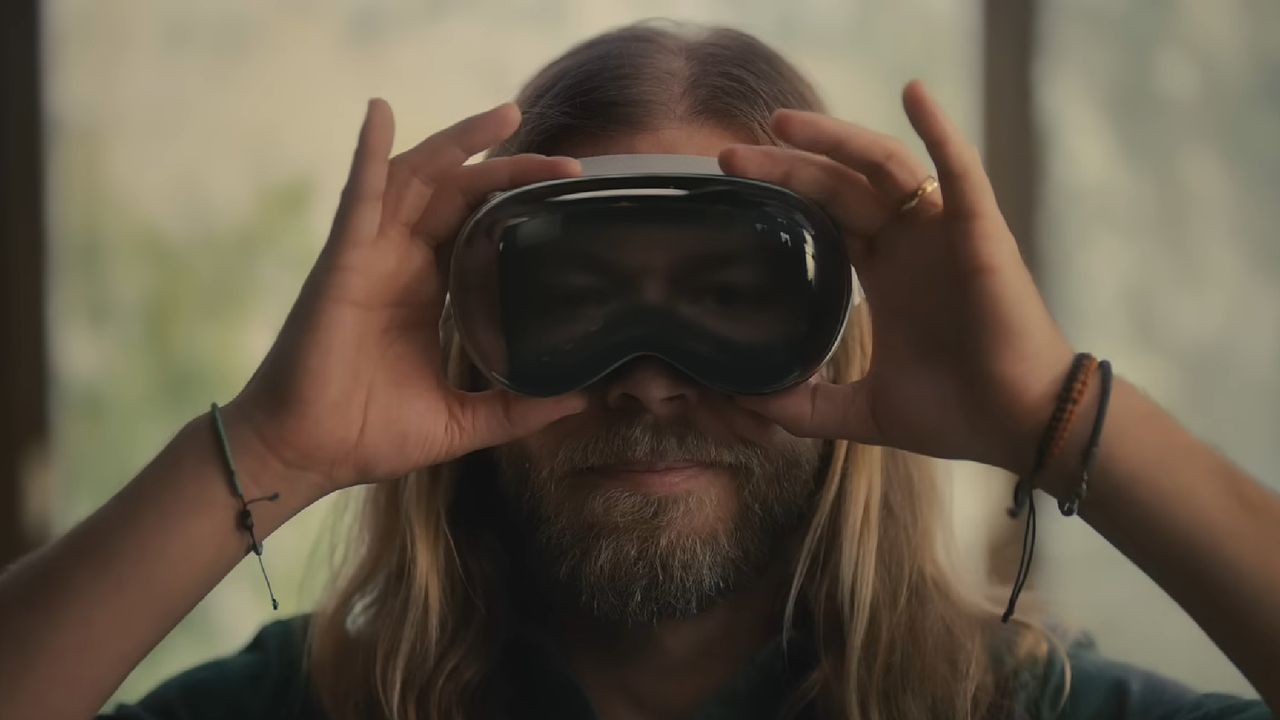
It is a shocking development for the industry, but reports suggest that Apple has reportedly 'given/given up' on the Vision Pro headset. According to Mac Rumors, the latest M5-powered revision of the device was considered a "flop." As a result, Apple has allegedly stopped work on the project and redistributed the Vision Pro team to other departments within the company.
Why Apple Has Reportedly 'Given Up' on the Vision Pro Headset
Instead of focusing on high-end VR, Apple is reportedly pivoting toward smart glasses. The first iteration of this new hardware is expected to resemble the Ray-Ban Meta glasses and will lack any kind of integrated display.
While Apple eventually hopes to integrate an augmented reality (AR) display into these glasses, the necessary technology currently lacks sufficient power efficiency. This pivot suggests that the hardware requirements for a seamless AR experience are simply too demanding for current mobile chipsets.
The Broader Impact on the VR Landscape
The news that Apple has reportedly 'given up' on the Vision Pro headset is concerning for the future of virtual reality. With Meta also retreating from its "Metaverse" ambitions, the broader VR landscape lacks vibrant, large-scale investment from major tech entities.
If a titan like Apple cannot find a way to drive mainstream adoption, the industry faces significant hurdles. There are several persistent issues preventing users from adopting this technology:
- Poor ergonomics: Most current headsets are too bulky and heavy for long-term use.
- Battery constraints: Marginal battery life makes mobile usage difficult.
- High cost: The Vision Pro retails for a staggering $3,500.
- Aesthetics: Current designs are often considered visually unappealing for public use.
Gaming vs. General Computing
For the gaming community, there is a more immediate appeal with devices like Valve's new Steam Frame. However, these headsets remain a different proposition compared to conventional displays. Unlike a monitor upgrade, which improves general computing, a VR headset is often restricted to gaming and video consumption.
Personally, while I love the concept of VR, I have not been sufficiently impressed by current solutions to spend my own money. Until we see technology that is lighter, cheaper, and higher resolution, it is hard to stay excited. The Steam Frame seems more incremental than revolutionary, making it a tough sell for the average consumer.