The integration of advanced generative AI into core operating system functions marks a significant paradigm shift for assistive technology. With the latest announcement regarding Apple Intelligence powered accessibility feature updates, the ecosystem is moving toward a future where hardware adapts to human variability rather than forcing users to conform to rigid digital structures.
Intelligent Visual Comprehension in VoiceOver and Magnifier
Traditional screen readers have long relied on structured metadata—the labels developers assign to elements—to describe digital content. However, Apple Intelligence powered accessibility feature updates elevate this experience by introducing sophisticated image recognition capabilities that move far beyond simple alt-text descriptions.
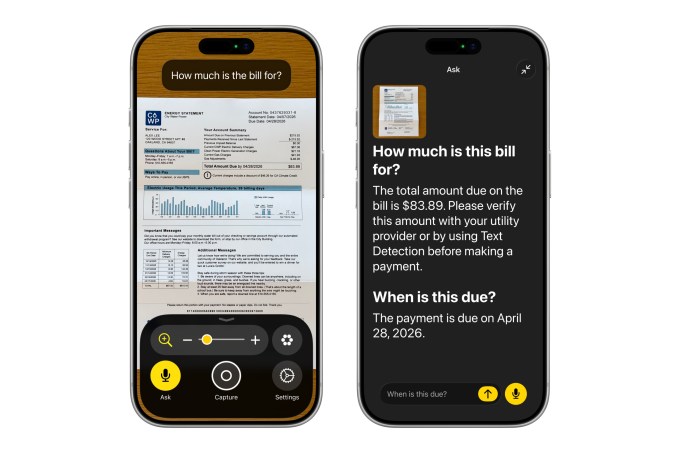
The new Image Explorer within VoiceOver leverages AI to provide deep contextual understanding of visual input. This allows for a level of utility previously unseen in mobile technology:
- Contextual Interpretation: Observing a physical bill no longer yields just a list of text fields; the AI can interpret specific amounts and due dates.
- Actionable Insights: Raw data is transformed into meaningful information that users can act upon immediately.
- Conversational Research: Through an updated Live Recognition feature in Magnifier, users can point their camera at an object and ask follow-up questions, turning a visual feed into a dynamic tool.
These updates significantly lower the cognitive load for users with low vision, allowing them to navigate complex or novel environments with much greater ease.
Natural Language Control Revolutionizing Input Methods
The evolution of Voice Control represents one of the most profound shifts in user interaction design for those with physical limitations. Historically, users had to learn rigid command vocabularies or memorize specific UI element identifiers to interact with their devices.
By implementing a flexible, natural language interface, Apple Intelligence allows users to describe tasks conversationally. This semantic understanding capability means navigating apps like Maps or Files no longer requires precise knowledge of an element's internal label. A user can simply state a goal, such as "tap the guide about best restaurants," and the system will execute the intent. This breakthrough allows assistive functions to interact seamlessly with fluid, highly visual interfaces that were previously opaque to standard voice command systems.
Extending AI Assistance Across Multimedia and Mobility
The scope of these intelligence upgrades extends far beyond the smartphone interface, impacting how users consume media and navigate the physical world.
Enhanced Media Accessibility
The introduction of AI-generated subtitles marks a major leap for users who are deaf or hard of hearing. By providing automatic transcription for uncaptioned video content across virtually every Apple device, this feature democratizes access to personal media archives that were once inaccessible without live captioning.
Spatial Computing and Physical Independence
The integration of AI into mobility assistance showcases the potential of spatial computing in real-world domains. Key advancements include:
- Eye-Tracking Control: A new feature for Apple Vision Pro allows users with compatible power wheelchairs to operate their chairs using only eye movements.
- Reliable Precision: This input method reportedly maintains high reliability across varying lighting conditions without the need for constant recalibration.
As these features roll out across devices via updates like iOS 27, it is clear that accessibility is no longer a "bolted-on" layer. Instead, it has become a core architectural pillar of the Apple ecosystem, driven by deep visual understanding and natural language processing.