What if the most transformative AI feature on a flagship smartphone is not a new chipset but an apology?
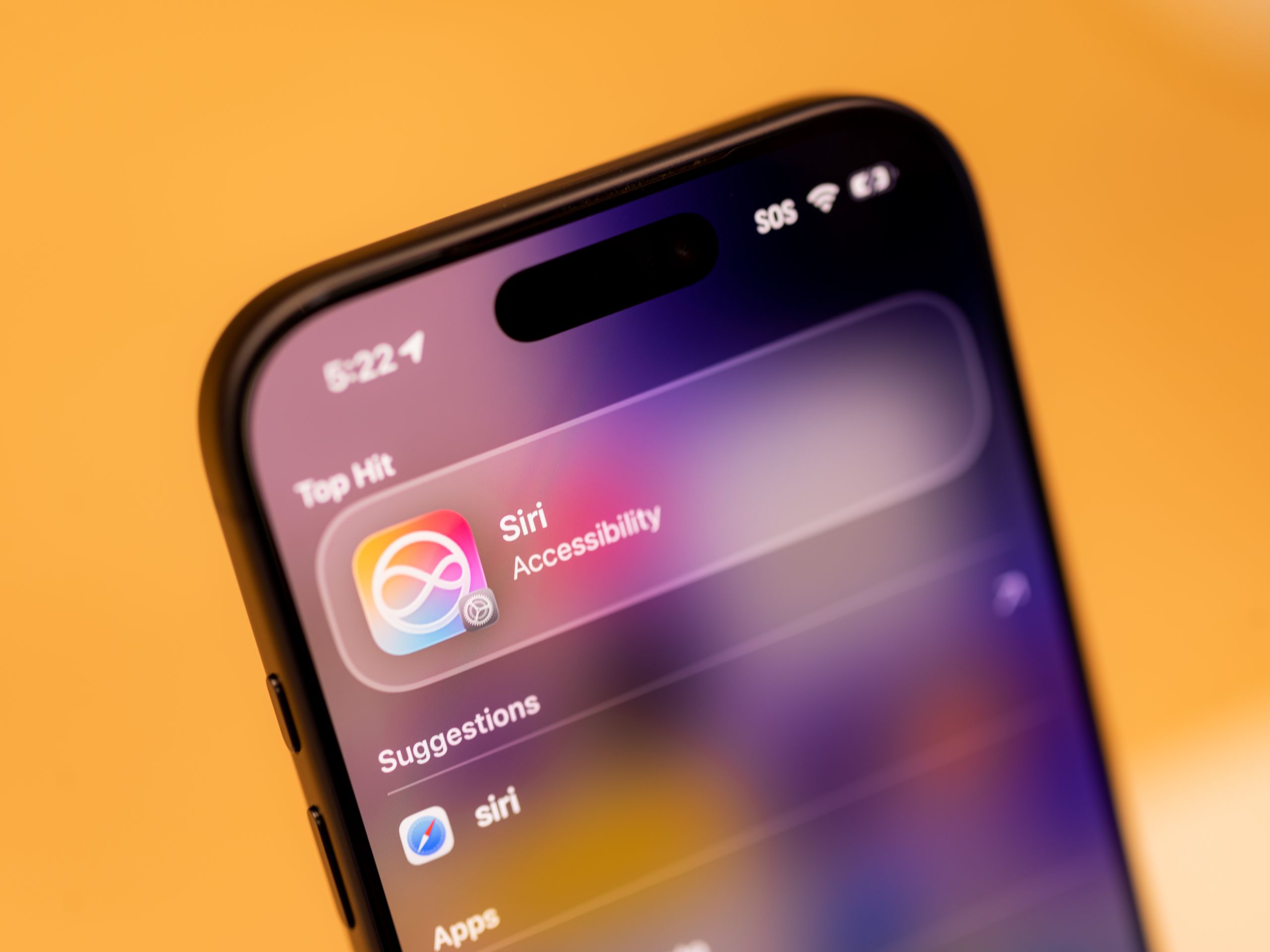
Apple has chosen to settle a high-profile class-action suit for $250 million rather than risk further reputational damage over its AI roadmap. The settlement, filed in California federal court, addresses allegations that Apple’s advertising overhyped the capabilities of Siri’s AI components for years while promising near-term enhancements that never materialized.
The legal action centers on false advertising claims tied to the company’s promotion of “Enhanced Siri” features announced at its 2024 Worldwide Developers Conference. Consumers who bought iPhone 15 or 16 models between June 10, 2024, and March 29, 2025, may qualify for up to $95 per device as part of a $250 million common fund. Court documents indicate the settlement does not involve an admission of fault but reflects Apple’s commitment to delivering future AI improvements without additional charge.
Key details include:
- Eligible devices: iPhone 15/16 models purchased within the specified date range.
- Claim value: Up to $95 per device, depending on proof of purchase and final settlement terms.
- Future roadmap: Apple asserts that “Apple Intelligence” and Siri AI upgrades will arrive via software updates at no extra cost.
The case draws parallels to a 2025 lawsuit over alleged private conversation listening, for which Apple previously paid $95 million. That precedent underscores the company’s growing exposure in AI-related marketing disputes. Legal analysts note that the current settlement—among Apple’s largest—signals heightened scrutiny of how tech firms advertise unproven capabilities.
Apple’s statement emphasized ongoing innovation: “We have introduced dozens of features across many languages,” said spokesperson Marni Goldberg, positioning the resolution as a step toward refocusing on product excellence. The company’s upcoming June developer conference is expected to reveal tangible Siri enhancements, potentially shifting market perception ahead of competitive pressure from rivals.
The $250 million settlement represents both financial risk and strategic repositioning. By capping per-device payouts while committing to broader AI rollouts, Apple balances legal exposure with its vision for integrating AI into daily workflows. Industry observers suggest this approach could set benchmarks for transparency in tech advertising, influencing how companies manage expectations around nascent technologies.
Ultimately, the decision reflects a calculated pivot toward delivering on promised capabilities without further consumer distrust. As Apple advances toward an AI-driven ecosystem, the settlement’s success will hinge on execution speed and perceived value—factors that determine whether this apology becomes a catalyst for renewed trust or another footnote in the company’s evolution.