Apple’s recent quarterly performance revealed a significant disconnect between Wall Street's projections and the reality of hardware demand. While iPhone sales and Services revenue remained the primary pillars of the company's $111.2 billion total revenue, the Mac division emerged as a surprising outlier. It is evident that Apple was surprised by AI-driven demand for Macs, as the segment reported $8.4 billion in revenue—a 6% increase that defied expectations of stagnant growth.
Why Apple was surprised by AI-driven demand for Macs
The primary driver behind this resurgence appears to be the growing necessity of running local AI models directly on consumer hardware. As developers and enterprises move away from purely cloud-dependent architectures in favor of privacy and reduced latency, devices capable of handling intensive agentic tools have become highly sought after. This shift toward edge-based intelligence is occurring much faster than manufacturers anticipated.
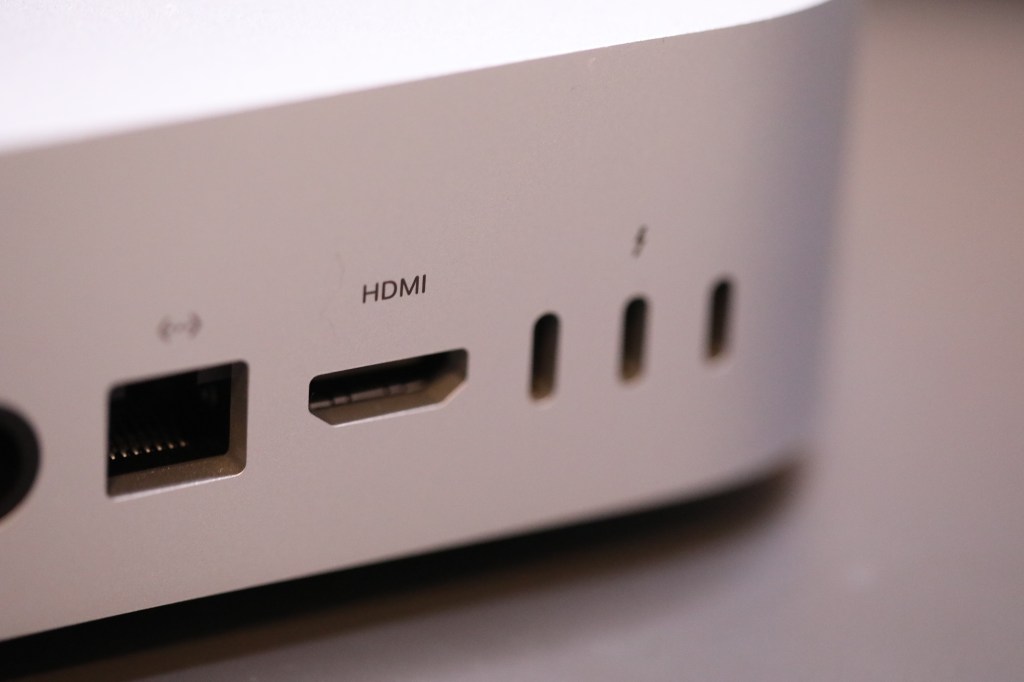
Apple CEO Tim Cook noted during the Q2 earnings call that the recognition of Mac platforms as viable environments for these workloads is happening with unexpected velocity. This trend is specifically impacting Apple's desktop lineup, where the Mac mini and Mac Studio have both experienced significant sell-outs in recent weeks.
Users are increasingly seeking out the unified memory architecture necessary to host large-scale models like OpenClaw. This surge in interest highlights how the computing landscape is shifting toward local execution, transforming the Mac from a standard productivity tool into a critical node for decentralized AI development.
Market Expansion and Supply Chain Bottlenecks
The impact of this hardware demand is not confined to individual enthusiasts; it is actively reshaping the enterprise and educational sectors. The recent introduction of the MacBook Neo has served as a focal point for this transition, even if its availability has been hampered by high interest.
Several key market segments are demonstrating this shift:
- Enterprise Integration: Companies such as Perplexity are increasingly utilizing Mac hardware as their preferred platform for building and deploying enterprise-grade AI assistants.
- Educational Pivot: Large-scale institutions, including the Kansas City Public Schools, have begun replacing traditional Chromebook fleets with the MacBook Neo to support more advanced computing needs.
- Regional Dominance: In China, a market characterized by intense competition, the Mac mini has emerged as a top-selling desktop, driven largely by the local "OpenClaw" software frenzy.
However, this surge in popularity has created significant friction within Apple's supply chain. The company has admitted to being supply constrained on the MacBook Neo, and Cook indicated that it may take several months to reach a sustainable supply-demand balance for the Mac mini and Studio models.
The current situation is less about a failure in manufacturing and more about an "under-calling" of how quickly users would pivot toward AI-capable hardware. This unexpected AI-driven demand for Macs has left the company playing catch-up with its own ecosystem.
The Verdict on Post-Cloud Computing
The transition from cloud-centric processing to local, device-based intelligence represents one of the most significant shifts in computing architecture in the last decade. Apple's surprise at these numbers suggests that while the software ecosystem is still maturing, the hardware demand is already outpacing traditional procurement cycles.
If Apple can successfully navigate these immediate supply constraints, the Mac stands to move from a secondary hardware pillar to the central hub of the next generation of intelligent computing. The long-term success of this segment will depend on whether the company can scale production fast enough to capture the momentum of an industry that is rapidly outgrowing its current infrastructure.