Apple is celebrating a historic financial milestone, but a growing chip shortage threatens to derail its momentum. While the company recently announced its most successful March quarter in history, the departure of Tim Cook marks a period defined more by supply chain volatility than consumer demand. The transition of power is occurring at a moment when record-breaking revenues are being threatened by an unprecedented squeeze on essential semiconductor components.
Record-Breaking Revenue Meets Supply Chain Reality
Apple’s latest earnings call revealed a staggering $111.2 billion in revenue, representing double-digit growth across every global geographic segment. This surge was primarily driven by the massive success of the iPhone 17 lineup, which achieved its own record-breaking quarterly revenue through extraordinary consumer demand. For a company built on hardware excellence, these figures suggest that the appetite for premium Apple devices remains virtually insatiable.
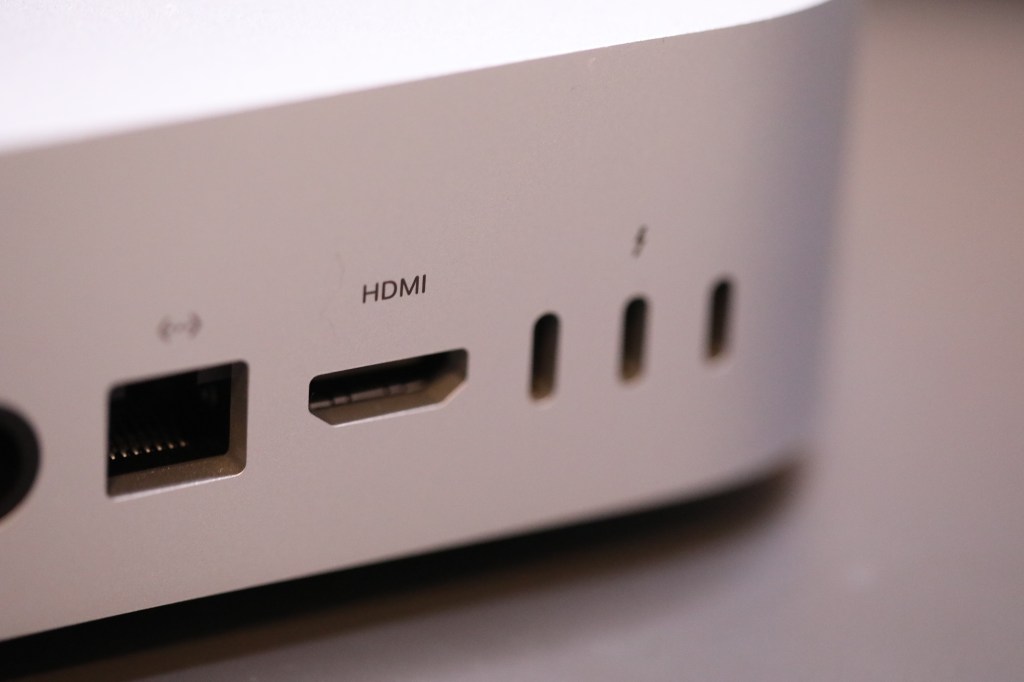
However, the luster of these numbers is dimmed by a growing crisis in the semiconductor market often referred to as "RAMaggedon." As the artificial intelligence industry aggressively consumes memory chips to fuel large language models and generative AI development, the supply available for consumer electronics has plummeted. This demand spike has caused certain RAM costs to quadruple, creating a direct threat to Apple's production margins.
Navigating the "RAMaggedon" Chip Shortage
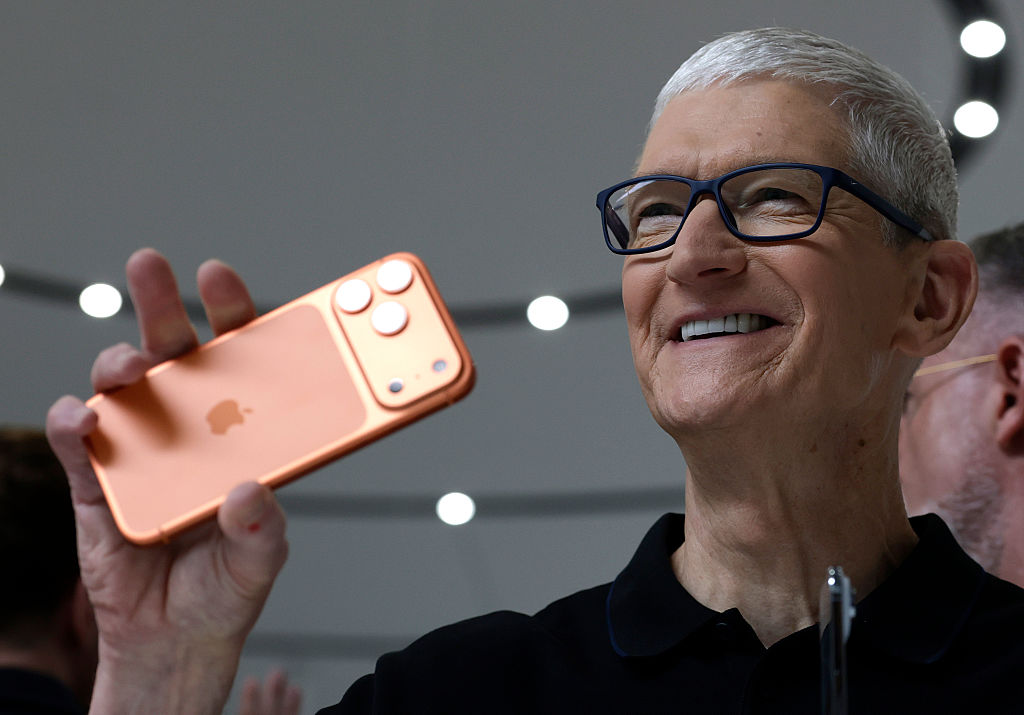
Apple has managed to mitigate these rising costs through strategic stockpiling, but that buffer is reaching its limit. During the earnings call, Cook warned that while previous quarters were protected by existing inventory, significant price hikes are expected starting in June and beyond. This chip shortage places a heavy burden on the company's ability to maintain its current pricing structure for future hardware iterations.
The transition from Tim Cook to John Ternus presents a unique set of challenges:
- Component Inflation: Managing the quadrupling costs of essential memory modules without alienating the consumer base.
- Supply Chain Volatility: Navigating a market where AI infrastructure developers are outbidding consumer electronics manufacturers for silicon.
- Leadership Continuity: Transitioning from Cook’s legendary supply chain mastery to Ternus's hardware-centric engineering focus.
The potential for increased prices on the iPhone lineup is no longer just a theoretical concern; it is a looming necessity if Apple is to preserve its profit margins in an era of hardware inflation.
The Ternus Era and the Path Forward
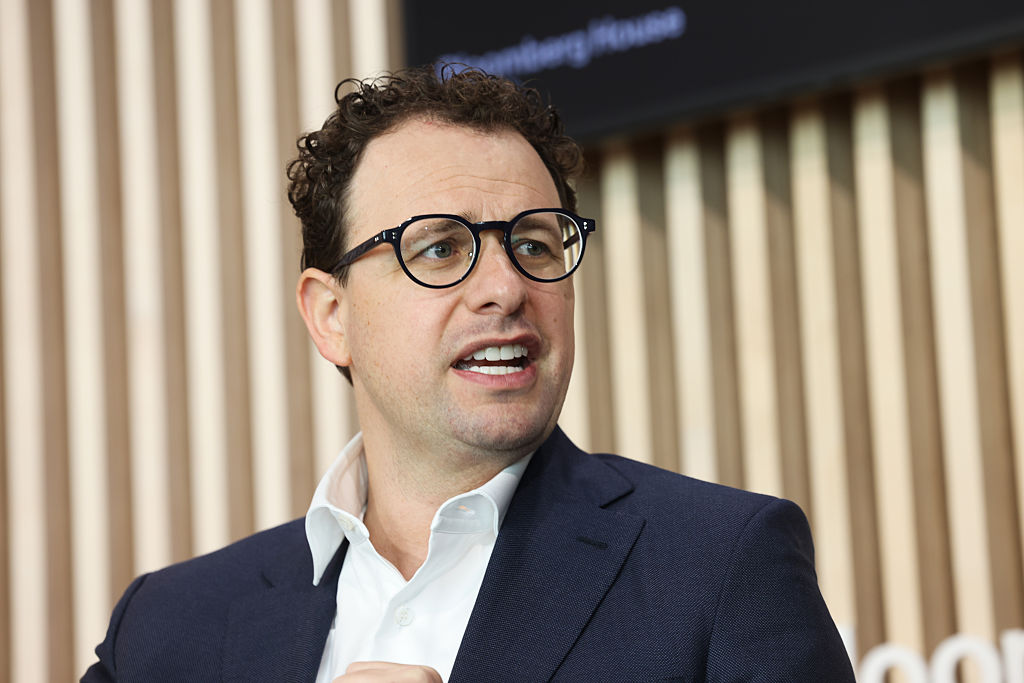
The mantle of leadership is passing to John Ternus, Apple’s former Senior Vice President of Hardware Engineering, who will officially take over as CEO on September 1. Ternus inherits a legacy of operational excellence but faces a landscape where the cost of production is becoming increasingly unpredictable. While Cook will remain with the company as Executive Chairman, providing a temporary bridge of supply chain expertise, the responsibility for navigating this hardware and chip shortage crisis rests entirely on Ternus's shoulders.
The transition from Tim Cook to John Ternus will be more than just a change in personnel; it will be a test of Apple's resilience against macro-economic shifts. If the company can successfully navigate the "RAMaggedon" without triggering aggressive price hikes that could dampen demand, the new era may flourish. However, if the industry's insatiable hunger for AI silicon continues to drive costs upward, even Apple's massive cash reserves may not be enough to protect its bottom line.