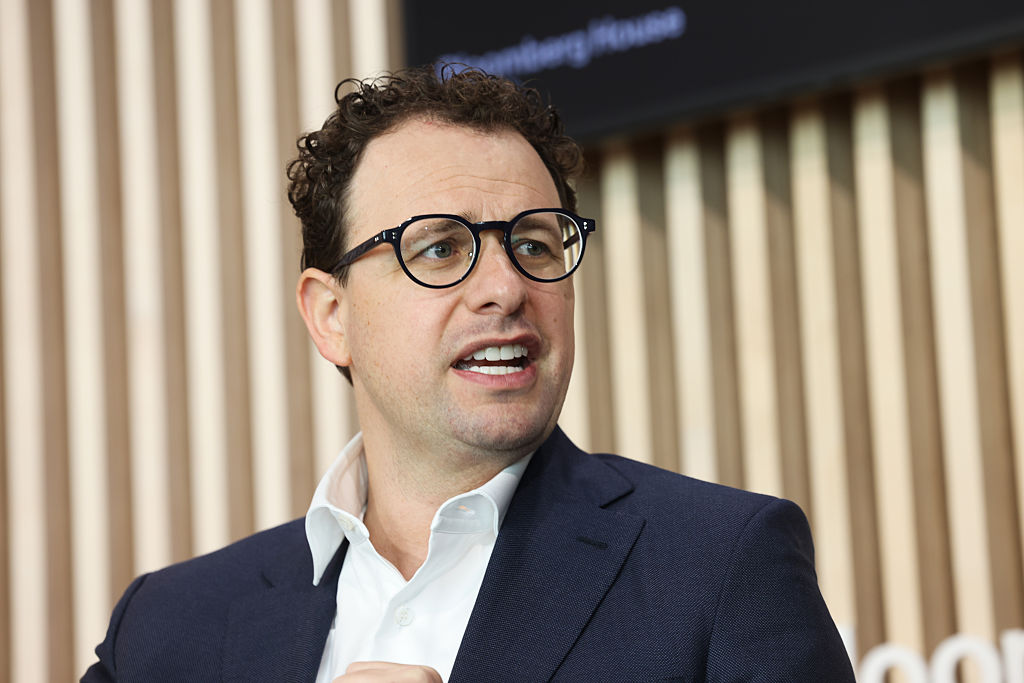
A single pivot within a Y Combinator batch can transform a struggling startup into a nine-figure windfall. The recent acquisition of Skio by its competitor, Recharge, serves as a stark illustration of this phenomenon. While the official terms of the deal remained undisclosed in press releases, founder Kennan Frost confirmed on social media that Skio sells for $105M cash. Perhaps more striking than the exit price is the capital efficiency behind it; the company had only raised $8 million from investors throughout its entire lifecycle.
From YC Struggles to Profitability
The trajectory of Skio was far from linear. Before becoming a powerhouse in the subscription payment space, founder Kennan Frost experienced significant turbulence. After leaving a position as an engineer at Pinterest following a period of personal struggle, Frost entered the Y Combinator 2020 batch, only to face what he described as a period of complete failure during the accelerator program.
It was not until a strategic pivot toward subscription management that the company found its footing. This period of instability coincided with global shifts in the tech landscape. As the world moved into COVID-19 lockdowns, Frost began building the foundations of what would become a highly profitable enterprise. Within three years, the company had scaled to $10 million in Annual Recurring Revenue (ARR) and achieved profitability.
The Strategy Behind Why Skio Sells for $105M Cash
Following Frost's departure from day-to-day operations, the company entered a phase characterized by intense operational discipline. Under the leadership of current CEO Aidan Thibodeaux, who rose through the ranks as the startup’s first COO, Skio adopted a "grind" mentality that eschewed traditional growth levers. The strategy was remarkably lean, intentionally avoiding expenditures on marketing, advertising, or dedicated sales teams.
Instead, the focus shifted entirely to product development and technical excellence. Alongside founding CTO Andrew Chen, the leadership team handled every sales call personally, ensuring that customer feedback directly informed the engineering roadmap. This period of disciplined scaling resulted in massive operational milestones:
- The company reached a peak of $32 million in ARR.
- Skio successfully processed over $4 billion in total payments.
- The infrastructure was scaled to handle high-frequency subscription billing without significant headcount increases.
A New Blueprint for the SaaS Industry
This approach stands in direct opposition to the high-burn, venture-backed models that have dominated the SaaS industry for the last decade. By prioritizing a robust product over aggressive customer acquisition costs (CAC), Skio built a resilient engine capable of attracting a massive buyout offer from Recharge.
The fact that Skio sells for $105M cash represents a legendary return on investment for its investors. It challenges the prevailing narrative that hyper-growth requires infinite capital and constant marketing pressure.
As Frost moves forward to his next venture, Icon, which focuses on AI-driven ad generation through its AdMaker product, the lessons of Skio remain relevant. In an era of tightening capital markets, the ability to scale via engineering excellence rather than marketing spend may soon become the new standard for sustainable tech entrepreneurship.