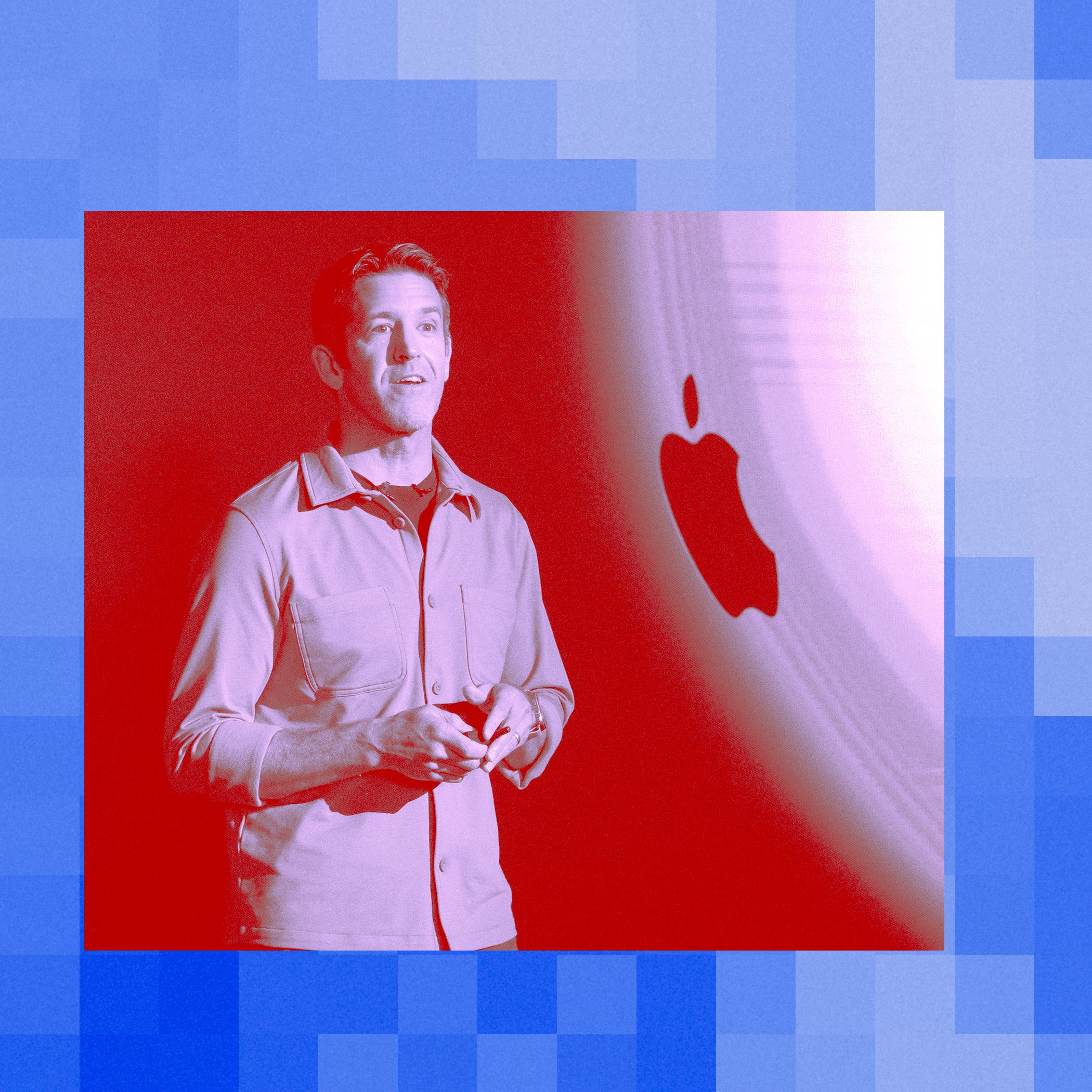
A darkened keynote stage in Cupertino stands as the silent setting for Apple's next great pivot. As the spotlight eventually finds a new figure—likely John Ternus—the mission is clear: Apple's next CEO needs to launch a killer AI product. While Tim Cook successfully navigated the company through unprecedented scale and supply chain mastery, he left the most significant technological frontier of the decade—generative artificial intelligence—largely unmapped for the average consumer.
Moving Beyond Incrementalism: The Post-Cook Mandate
The transition of power from Tim Cook to a successor marks the end of an era defined by refinement and the beginning of one that demands raw innovation. While Apple Intelligence arrived in 2024 with significant fanfare, the initial rollout felt more like an incremental software update than the revolutionary paradigm shift the industry expected.
For Apple to maintain its dominance, the next leadership cannot simply iterate on existing features. The mandate is clear: Apple's next CEO needs to launch a killer AI product that makes AI feel as essential and intuitive as the original iPhone.
The current landscape of AI remains fragmented and often intimidating. Technologies like Claude Code or advanced autonomous agents are powerful, but they remain too technical for the mass market. Apple’s historical strength has always been its ability to package complex, "troublesome" technologies into delightful, user-friendly experiences.
The next leadership must find that specific "Apple way" to decode AI for billions of users. The goal is a device that anticipates needs rather than requiring users to master the art of prompt engineering.
Silicon as the Strategic Foundation
The blueprint for this revolution is likely already being etched into silicon. With Johny Srouji set to take over the hardware engineering mantle previously held by Ternus, Apple is doubling down on its most potent weapon: custom silicon.
As AI workloads demand unprecedented computational power, the evolution of the Neural Engine will be the company's primary battlefield. Recent industry movements suggest a massive investment in specialized hardware is underway to support this vision. We can expect to see:
- Advanced Neural Engines capable of running large language models (LLMs) locally with minimal latency.
- Strategic partnerships, such as the reported deal with Broadcom, to integrate high-performance AI components.
- Hardware-software synergy that prioritizes on-device processing to maintain Apple's strict privacy standards.
- A potential new device category designed specifically to facilitate an "always-on" AI agent experience.
The ultimate goal is to move the industry from a state of "searching for an app" to "commanding an agent." In this future, the friction of opening Uber or Lyft disappears; the user simply tells their device where they need to be, and the infrastructure handles the rest.
The Verdict: Innovation or Obsolescence
The stakes for John Ternus are existential. If Apple fails to lead the AI transition, it risks the very ecosystem that makes the iPhone so indispensable. The rise of autonomous agents threatens to disrupt the traditional app-centric model, potentially turning the smartphone into a mere window for a much more powerful, invisible intelligence.
Ternus possesses the technical pedigree and an intimate understanding of Apple's rigorous quality standards. However, being a methodical operator is different from being a visionary.
To succeed, the next generation of leadership must move beyond the "software update" mindset. To ensure Apple's next CEO needs to launch a killer AI product becomes a reality, they must deliver technology that feels like magic. The clock is ticking, and in the age of generative intelligence, there is no room for playing catch-up.