Small developers are increasingly finding success by embracing roguelite mechanics to extend the lifespan of their titles. By utilizing repetitive core progression, these games can extract massive amounts of gameplay from similar level structures while still providing players with a sense of empowerment and permanent growth.
The upcoming early access title, Huntdown: Overtime, is the latest project to graft these modern roguelite hooks onto a familiar genre. It offers a fresh take on the classic arcade run-and-gun shooter, proving that combining retro aesthetics with procedural elements can be highly effective—even for those of us starting to feel a bit of roguelite fatigue.
A Modern Twist on 1980s Arcade Shooters
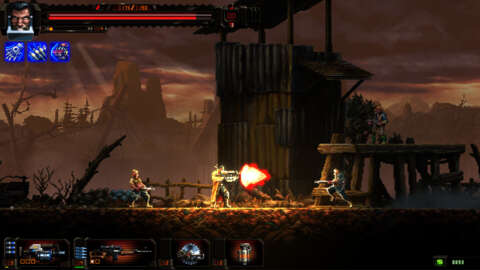
Huntdown: Overtime serves as the sequel to 2020's Huntdown, a stylish dystopian shooter heavily modeled after legendary titles like Contra, ESWAT, and 1988's Robocop. While the original game utilized a traditional level-based design, this sequel shifts toward a more randomized approach.
While some purists might prefer the structured levels of the original genre, the roguelite framework softens the repetitive nature of the gameplay. The experience mirrors the old-school arcade loop:
- Replaying intense combat encounters.
- Mastering difficult enemy patterns.
- Achieving incremental progression through death.
Just as players once "plunked in quarters" to master a single stage, the roguelite structure rewards that same obsessive, repetitive drive.
Neon-Soaked Dystopia and Retro Aesthetics
The setting of Huntdown: Overtime remains a gang-infested, neon-soaked hellscape. It presents a vision of the future where the fashion excesses and "big hair" energy of the 1980s have been cranked up to an extreme level. For anyone nostalgic for that era, the aesthetic is incredibly effective.
The game captures the specific atmosphere found in 1980s arcade cabinets, featuring:
- Pixelated mobs of goons prowling neon streets.
- High-contrast, vibrant color palettes.
- Gaudy, themed street gangs.
Beyond just looking the part, the developers have focused heavily on modernization. The enemies are much more reactive than their 8-bit ancestors; for instance, kicking a thug might result in their body hanging limply off a fire escape. This level of animation detail and environmental interaction shows a clear commitment to bringing the classic arcade shooter into the modern era with high-fidelity polish.