Asus ROG Cetra Open Wireless Earbuds Review: Open Gaming Buds?
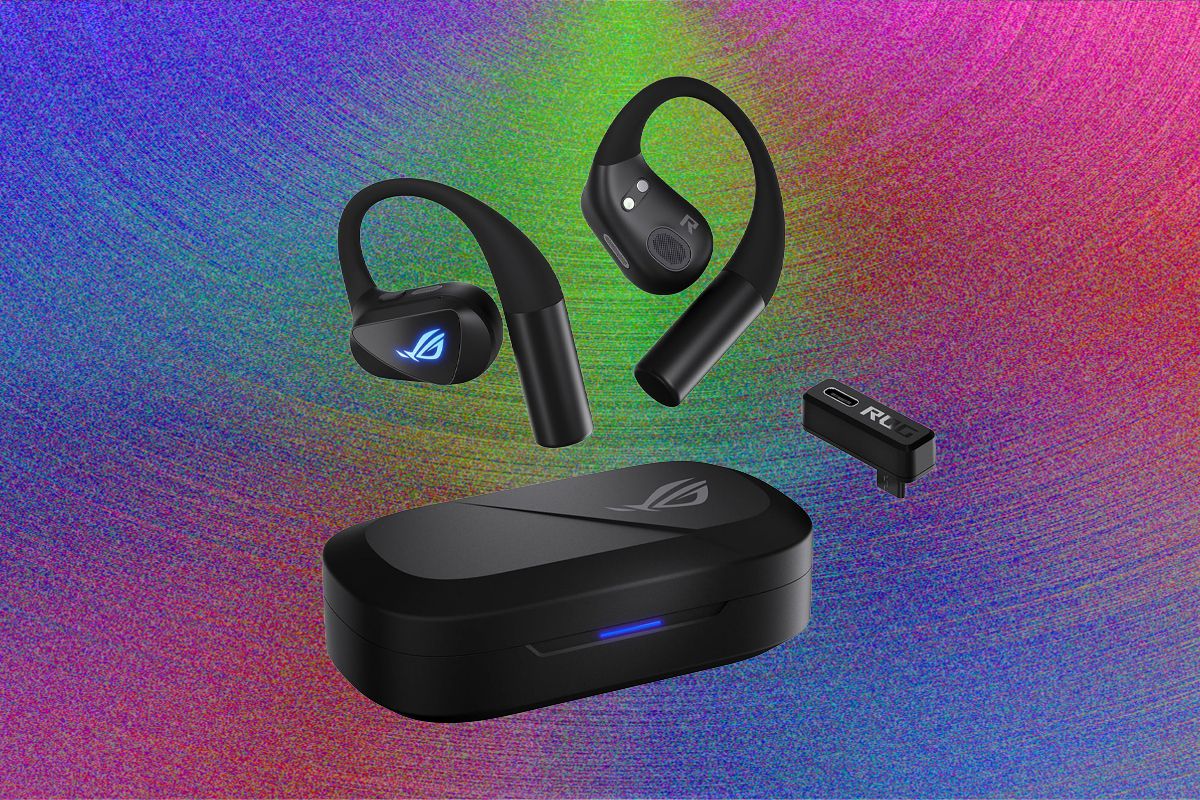
The Asus ROG Cetra Open Wireless Earbuds redefine what is possible by delivering audio latency precision once reserved for wired gaming headsets, all while maintaining total environmental awareness. This paradox defines the device, attempting to reconcile two fundamentally opposing philosophies: complete immersion and a "public square" openness that keeps you safe in the real world. While they succeed in creating a unique bridge between the digital battlefield and your surroundings, the trade-offs required leave them as a highly specialized tool rather than a versatile daily driver for most listeners.
The Audio Paradox of Open Gaming
The Asus ROG Cetra Open Wireless Earbuds deliver a sound signature that feels distinctly crisp and crunchy, mirroring the aggressive tuning found in dedicated gaming peripherals while abandoning the warmth expected from high-fidelity music playback. For titles like Call of Duty: Mobile or Destiny: Rising, this sonic profile allows for pinpoint audio cues without the isolation that can lead to dangerous situational blindness. However, this same transparency results in a listening experience for music that feels somewhat soulless and vague, lacking the depth found in sealed earbuds or premium over-ear gaming headsets like the SteelSeries Arctis Nova Buds.
When used as primary audio output for non-gaming content, the lack of isolation becomes more than just a feature; it is a limitation exposing the hardware's constraints in quiet environments. The soundstage feels like music pouring into a room rather than emanating from within the ear canal. This approach works adequately when ambient noise masks the deficiency but fails to deliver groove or detail on a bus ride or during a commute.
Despite their innovative design, users have reported several specific performance issues that highlight the challenges of open-ear technology:
- Volume inconsistencies: Users report a narrow usable range where settings are either too quiet to hear clearly or jump abruptly to uncomfortable levels, making fine-tuning difficult in varying acoustic environments.
- Wind noise vulnerability: At speeds above 10 MPH, the wind shear creates a roar that drowns out the audio entirely, rendering them unsuitable for cycling or high-speed transit compared to their sealed counterparts.
- Musicality deficit: Genres requiring subtle dynamics or deep bass response, such as jazz or orchestral scores, suffer from a lack of impact and spatial cohesion that undermines the emotional weight of the composition.
Hardware Ergonomics and Connectivity Features
Beyond audio fidelity, Asus has engineered a chassis that prioritizes long-term wearability for gamers who might otherwise be tethered to their desks by wired connections. The design features a soft silicone arm that wraps securely around the back of the ear, allowing users to rotate the driver housing significantly to dial in a custom fit before locking it into place. While the unit remains comfortable during extended sessions and pairs effortlessly with sunglasses or hats, the adjustable nature means that accidental bumps can dislodge the seal, requiring immediate re-calibration to maintain audio performance.
The inclusion of a USB-C dongle is the crown jewel for this device's utility, unlocking a low-latency wireless connection compatible with PC, PS4/PS5, Nintendo Switch, and mobile platforms alike. This hardware addition transforms the Asus ROG Cetra Open Wireless Earbuds from a standard Bluetooth accessory into a legitimate peripheral for competitive play, eliminating the input lag that plagues most wireless audio solutions. Asus has also integrated thoughtful battery management features, such as pass-through charging via the dongle while it resides in the case, allowing users to maintain their low-latency connection and charge simultaneously. Additionally, the Phantom Bass EQ preset, accessible through a web-based app rather than a dedicated desktop utility, is essential for mitigating the lack of physical bass response inherent in open designs.
Verdict: A Specialized Tool for the Hybrid Gamer
The Asus ROG Cetra Open Wireless Earbuds occupy a niche that is both compelling and frustratingly narrow. They are an exceptional choice for mobile gamers who demand low latency without sacrificing situational awareness, effectively serving as a bridge between handheld consoles and competitive play. For these users, the ability to hear footsteps in Warzone while simultaneously monitoring traffic on a commute offers a distinct advantage over traditional gaming headsets or standard wireless earbuds.
However, at a $230 price point, the expectation of versatility is natural, and this device fails to satisfy it outside of its intended purpose. The volume control oddities, susceptibility to wind noise, and lackluster musical performance prevent them from being recommended as an all-purpose audio solution for the average consumer. Ultimately, these earbuds are a triumph of engineering for a specific demographic: the commuter who plays ranked matches on their phone or handheld console. For anyone seeking a single pair of buds to handle everything from high-fidelity music streaming to casual gaming, other options offer better balance, but for those prioritizing competitive edge in an open format, these represent one of the few viable paths forward.