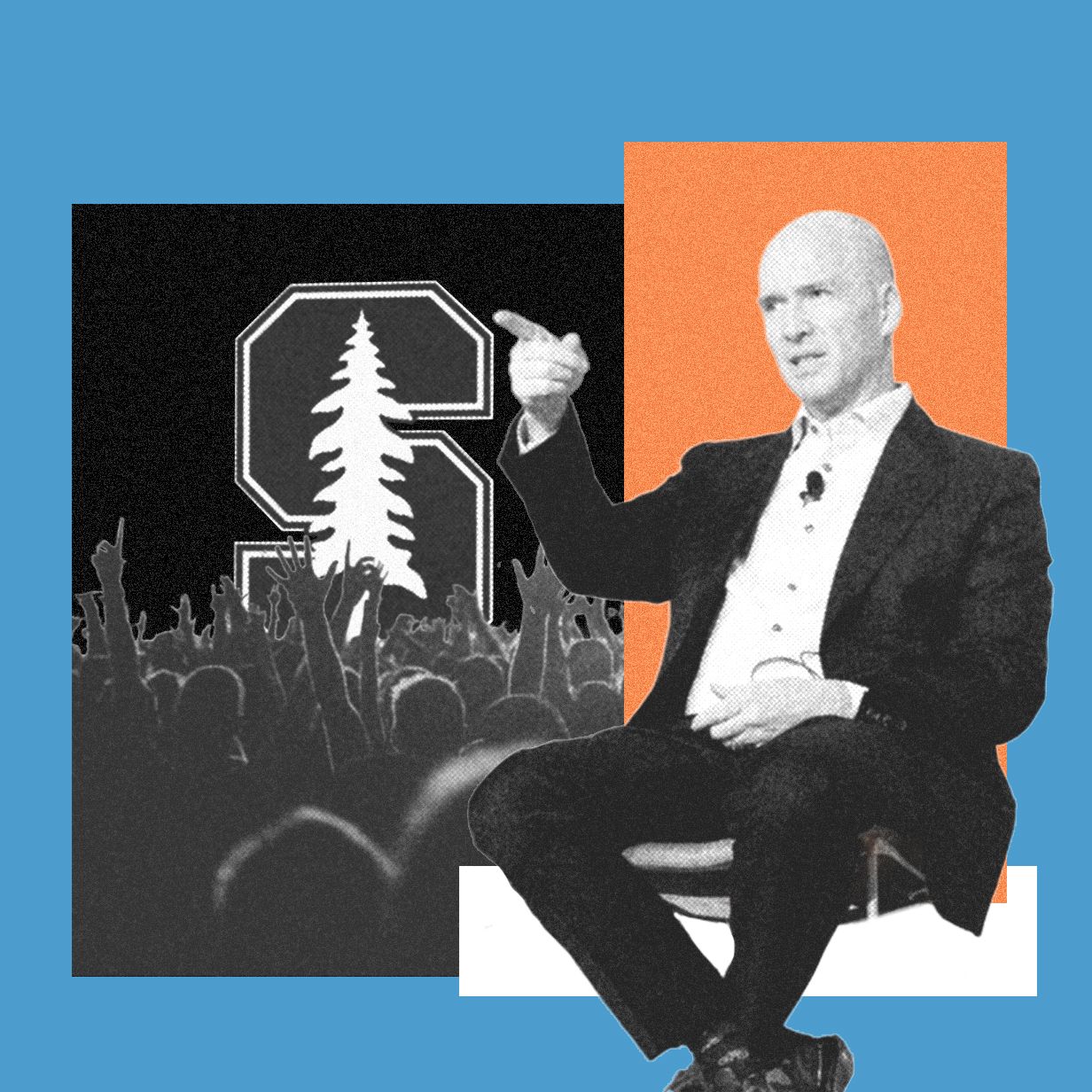
Five hundred seats at Stanford’s CS 153 course vanished almost instantly once registration went live this semester. While the campus continues to function as a hub for rigorous academic inquiry, a specific corner of the computer science department has captured the global tech industry's attention through what many are calling "AI Coachella."
The course is co-taught by former Andreessen Horowitz general partner Anjny Midha and former Apple engineering VP Michael Abbott. It has transcended the boundaries of a traditional classroom to become a high-profile forum for the architects of the current artificial intelligence era.
The "AI Coachella" Guest Speaker Roster
The guest lecture lineup for the course reads less like a syllabus and more like a concentrated summit of industry power. This unprecedented level of access for undergraduate students has turned lectures into global events, with thousands of viewers tuning in via YouTube to catch insights that rarely circulate outside of private venture capital circles.
The caliber of speakers scheduled for CS 153 includes:
- Sam Altman, CEO of OpenAI
- Jensen Huang, CEO of Nvidia
- Satya Nadella, CEO of Microsoft
- Lisa Su, CEO of AMD
- Amanda Askell, Philosopher at Anthropic
- Ben Horowitz, Co-founder of Andreessen Horowitz
For students, the value proposition is found in a direct line to decision-makers. While traditional lectures focus on established theory, this course provides a window into the immediate, high-stakes maneuvers of the AI arms race. Attendees have reported asking real-time questions regarding partnership strategies and safety guardrails.
Academic Rigor vs. High-Profile Networking
The sudden viral success of CS 153 has not been without friction. Within the halls of Stanford, a tension is brewing between traditional pedagogical methods and this new, high-access model of education.
Critics on social media and within the research community argue that the course functions more as a curated marketing event than a rigorous academic endeavor. Some faculty members have even characterized the experience as paying tuition to attend a "live podcast series" hosted by venture capitalists.
This skepticism stems from a fear that such "celebrity" learning devalues the foundational work of computer science. However, Midha has famously embraced this criticism. Framing the backlash through the lens of engineering, he described the controversy as "red teaming" his system and concluded that the notoriety was a "feature, not a bug."
From Nvidia H100 Economics to Mental Health
Despite the surrounding noise, the curriculum attempts to bridge the gap between high-level industry trends and technical reality. The course delves into the computing infrastructure required to sustain modern models, providing data on the volatile economics of hardware.
During recent sessions, Midha presented internal charts demonstrating how the price of Nvidia H100 chips has fluctuated. This offers students a "cheat code" of information typically reserved for institutional investors.
Beyond the silicon and the software, there is an unexpected emotional depth to the course. Midha has used his platform to discuss the psychological toll of the Silicon Valley boom, sharing personal reflections on mental health and the importance of human connections. This blend of technical instruction and life philosophy suggests that the course is preparing students for the industry's culture as much as its code.