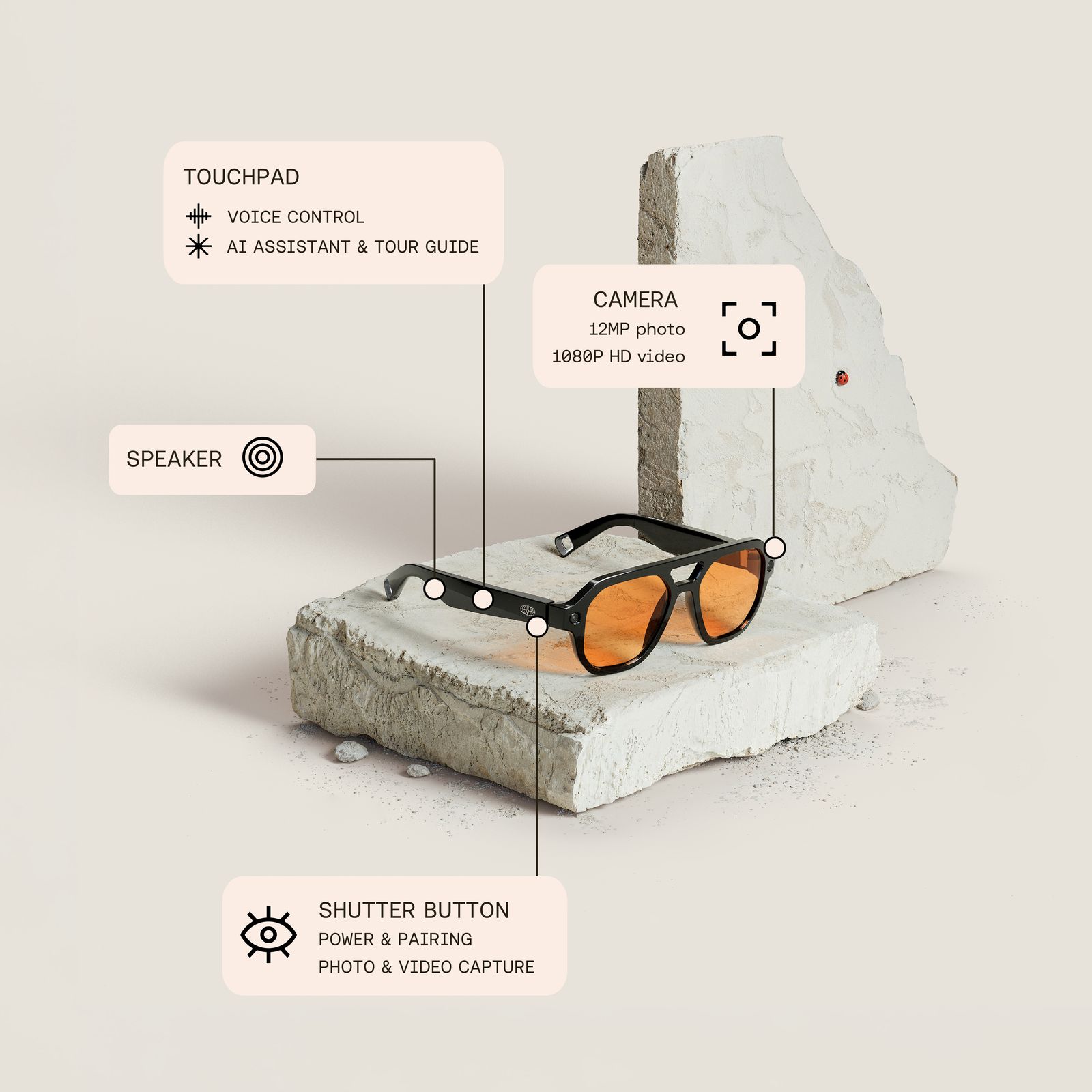
The evolution of wearable technology has moved rapidly from cumbersome, experimental headsets to sleek eyewear designed for daily use. This shift represents a fundamental change in how users interact with digital information, moving away from isolated screen time toward an augmented perception of the physical world. Now, new smart glasses from ex-OnePlus engineers are attempting to capitalize on this momentum with the upcoming L'Atitude 52°N lineup.
AI Intelligence Behind the Lens
The "Berlin" model features an integrated AI assistant named Goya, which is powered by Google's Gemini engine. Designed specifically for travelers, these glasses act as a real-time tour guide capable of identifying landmarks and analyzing museum artifacts. By utilizing onboard microphone arrays and a high-resolution camera, users can ask complex questions about their surroundings through simple voice commands like "Hey Goya."
This capability transforms the device from a mere accessory into an active participant in the user's environment. The software is intended to recognize objects within the wearer's field of view—such as a famous painting in a gallery—and provide historical context immediately. While visual recognition technology exists via smartphone apps like Google Lens, moving this processing to a wearable form factor promises a more seamless, hands-free experience for explorers.
Hardware Capabilities and Market Position
The hardware specifications of the Berlin model aim to bridge the gap between lifestyle accessories and functional tech. To compete with established industry leaders like Meta, L'Atitude 52°N has focused on several key physical features:
- 12-megapixel camera capable of 1080p video recording.
- Wide-angle lens providing a 107-degree field of view.
- 32 GB of onboard storage for seamless photo and video playback.
- Open-er stereo speakers integrated into the rims for high-quality audio.
- Dual color options, specifically "obsidian" and "dune."
- Optional photochromatic lenses that darken automatically in bright light.
While these specs are impressive, they still trail slightly behind the premium offerings from Meta's recent iterations, which can capture video in much higher resolutions. However, for a device targeting the travel niche, the emphasis on audio clarity and visual utility may be enough to carve out a specialized market share.
The Subscription Catch for These New Smart Glasses From Ex-OnePlus Engineers
Despite the hardware's promise, a significant caveat looms over the purchase of L'Atitude 52°N eyewear. The advanced AI features that define the product are currently offered only as an "AI feature trial" lasting for exactly 12 months. Once this period expires, users will be forced to transition to a paid subscription service to maintain access to Goya’s intelligence.
Without this subscription, users will be relegated to using the glasses as basic media players for music and standard photography. This hidden cost presents a major hurdle for consumer adoption and long-term value. CEO Gary Chen has admitted that the company does not yet have a finalized plan for subscription pricing, stating that they intend to determine costs based on future user behavior.
For hardware enthusiasts who view a $399 purchase as a long-term investment, the prospect of an escalating monthly fee is a significant deterrent. The situation is further complicated by recent logistical setbacks. After a highly successful Kickstarter campaign that raised over $400,000, L'Atitude 52°N has faced shipping delays and even the cancellation of one planned model.
Verdict
L'Atitude 52°N is clearly attempting to innovate in a space currently dominated by tech giants, and their focus on travel-specific utility is a smart way to differentiate themselves. However, the decision to gatekeep core functionality behind an unspecified subscription model could undermine the very "seamless" experience they are trying to create. Until there is clarity on what happens after the first year of ownership, these glasses remain a high-risk proposition for even the most dedicated wearable enthusiasts.