Can a company built on the promise of verifying human identity survive a public failure to verify its own corporate claims? This question has become increasingly relevant following recent allegations made by Tools for Humanity, the startup co-founded by OpenAI CEO Sam Altman and entrepreneur Alex Blania. The firm’s recent attempt to promote a Bruno Mars partnership has resulted in a high-profile dispute with one of the music industry's biggest stars.
The Fallout of a Fake Bruno Mars Partnership
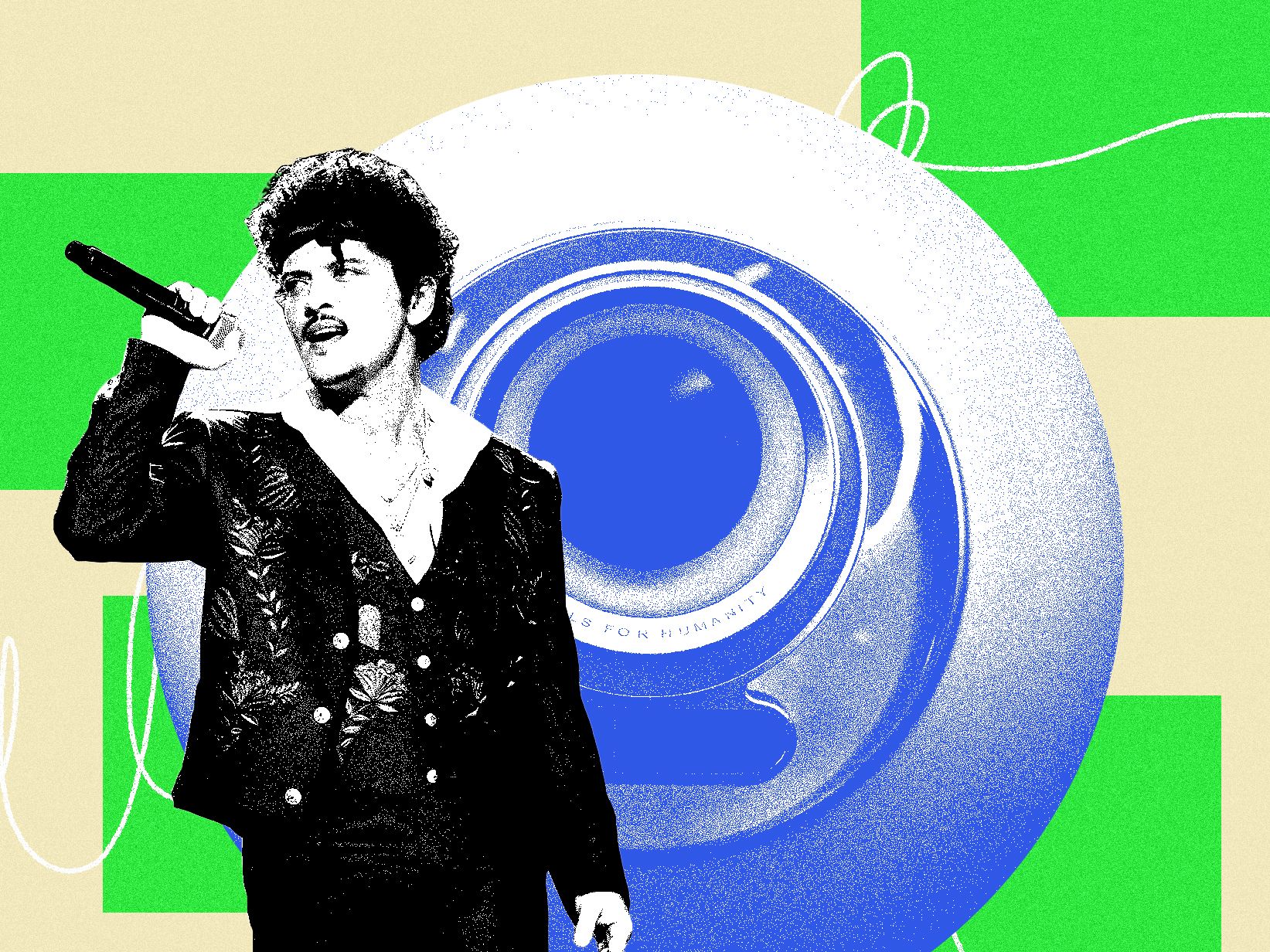
The controversy began during a "Lift Off" event held on April 17 in San Francisco. During the presentation, Tools for Humanity’s Chief Product Officer, Tiago Sada, announced that their new product, Concert Kit, would officially roll out during Bruno Mars' upcoming world tour for his album, The Romantic.
The pitch was ambitious, promising that the technology would allow "verified humans" to bypass the chaos of the secondary market. The goal was to grant fans exclusive access to VIP experiences at select tour stops. However, these claims did not age well.
Denials from Live Nation
In a joint statement provided to WIRED, representatives for Bruno Mars and Live Nation—the production powerhouse behind the tour—flatly denied that any such agreement existed. Maya Sarin, a spokesperson for Live Nation, stated that the company was never approached regarding a partnership or tour access.
The fallout from this disputed Bruno Mars partnership has prompted an immediate attempt at damage control. Tools for Humanity subsequently edited its official blog posts and event videos to remove references to the singer. In their place, the company now claims that Concert Kit is slated for a rollout during the 2027 European tour for Jared Leto’s band, Thirty Seconds to Mars. This "moving of the goalposts" has raised serious questions about the startup's transparency.
Using The Orb to Combat Ticket Bots
To understand why a music-related partnership would be a cornerstone for this technology, one must look at the current state of live entertainment. The era of digital ticket scalping is defined by massive, automated bot attacks that can deplete inventory in milliseconds.
Tools for Humanity intends to solve this through its flagship hardware and software ecosystem:
- The Orb: A physical, iris-scanning device designed to verify biological identity.
- Blockchain Integration: Using decentralized ledgers to ensure a "verified human" cannot be spoofed by software.
- Identity Verification: Creating a layer of trust in online environments where automated scripts are prevalent.
The startup's mission is aimed at the vulnerabilities exposed by recent high-profile sales, such as the massive system failures during Taylor Swift’s Eras Tour presale. Even Anderson .Paak (performing as DJ Pee .Wee) appeared at the event to vouch for the technology, citing how much bots "make everything really shitty" for fans.
A High-Stakes Identity Crisis
The friction between Tools for Humanity and Live Nation is particularly noteworthy given the current regulatory landscape. The Federal Trade Commission (FTC) is currently investigating Ticketmaster—a subsidiary of Live Nation—to determine if they have done enough to prevent bot activity.
While the startup's technology offers a potential technical fix, its recent attempt to co-opt a major artist's brand may undermine its credibility with industry giants. For a venture capital-backed firm led by one of Silicon Valley’s most influential figures, the margin for error is slim.
The company has successfully attracted interest from established players like Tinder, Zoom, and Docusign. However, a "fake it 'til you make it" approach to marketing can be a liability when dealing with legal entities like Live Nation. If the company cannot master the basic verification of its own press releases, convincing a global audience to hand over their biometric data may prove an insurmountable challenge.