Wit Studio Apologizes After Gen AI Usage Detected in Ascendance of a Bookworm Opening
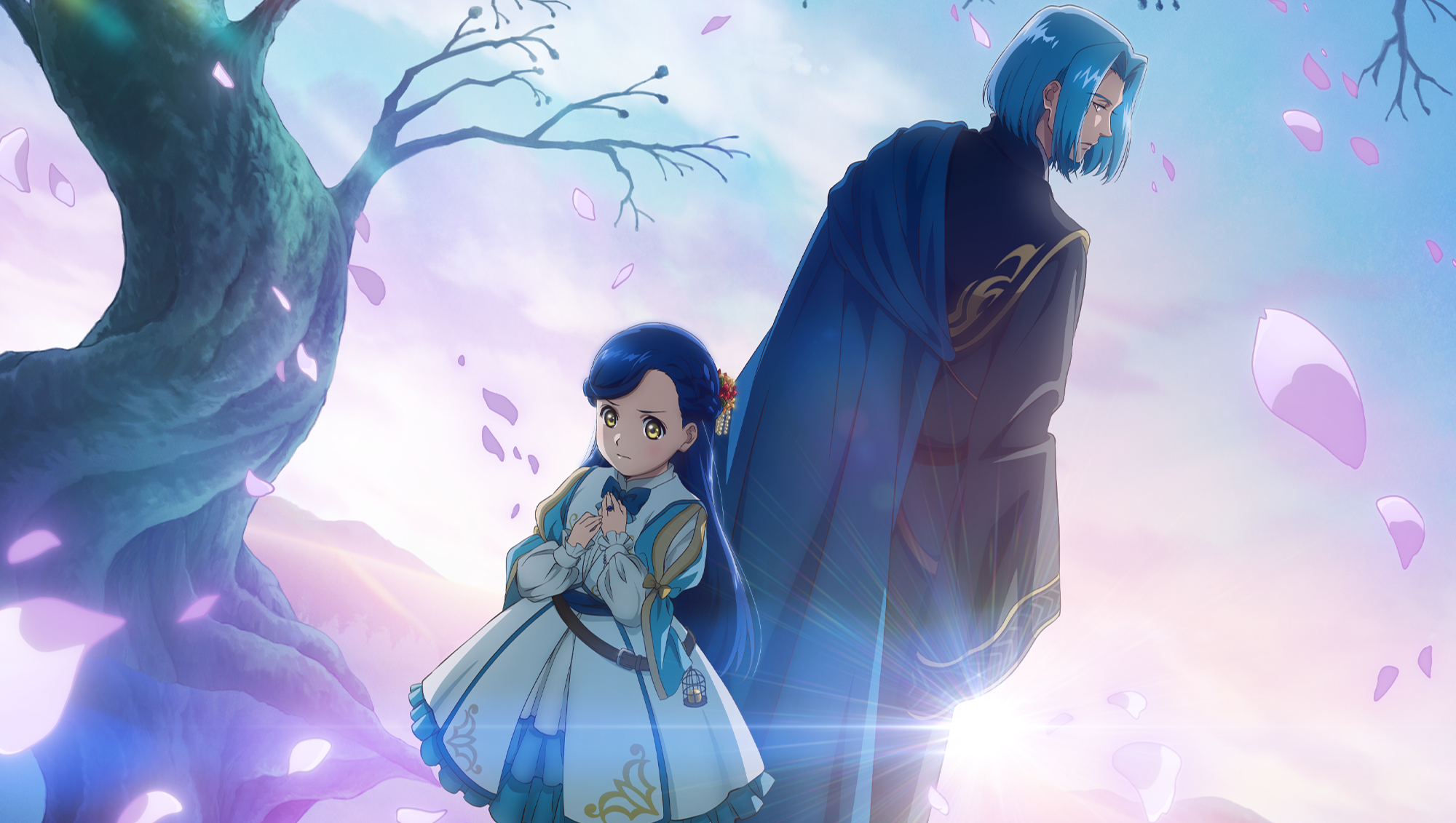
Wit Studio has officially apologized to fans after confirming suspicions that generative AI was utilized in the opening sequence of Season 4, Ascendance of a Bookworm. The studio, renowned for hits like Spy x Family and the first three seasons of Attack on Titan, announced it will redraw the opening entirely. This decision removes the controversial gen AI elements following an internal investigation that validated viewer concerns regarding unauthorized technology use in production.
Based on Miya Kazuki’s light novel series about a trainee librarian reincarnated in a magical world, Season 4 premiered on Japanese television on April 4, 2026. However, the reception was quickly marred by eagle-eyed viewers who spotted telltale signs of AI-generated backgrounds in the new opening. Observations were shared widely across Reddit and Twitter/X, sparking immediate debate about the integrity of modern anime production pipelines.
Internal Investigation Confirms Unauthorized Gen AI Usage in Background Art
Today, Wit Studio issued a statement addressing the controversy head-on. Following a thorough internal probe, the studio confirmed that generative AI was indeed used to create assets for specific background art within the opening sequence. To rectify this, the studio has committed to redrawing all affected shots from scratch without any digital shortcuts.
The official roadmap includes the following key actions:
- A new, completely redrawn opening sequence will be released starting with Episode 2.
- All future episodes will feature a final version free of gen AI elements.
- Production management and quality control guidelines will be updated to prevent recurrence.
According to Wit Studios, the use of such technology violates their core principles unless explicitly authorized. The studio clarified that in principle, they do not permit the use of generative AI in anime production for their works. The only historical exception was The Dog & The Boy, a short created as a technological experiment back in 2023.
Responsibility Lies with Production Management, Not Outsourced Partners
In light of these findings, some fans initially attempted to blame Nam Hai Art, the external company responsible for the background work. However, Wit Studios explicitly stated that Nam Hai had no involvement in the incident and bore no responsibility for the blunder. Instead, the studio accepted full accountability, attributing the error to failures within its own production management and quality control systems.
As the primary production company, Wit expressed deep regret to all fans and the original author. The statement emphasized that this incident serves as a critical opportunity to revise internal guidelines. By strengthening their oversight mechanisms, they aim to ensure that unauthorized gen AI usage does not slip through the net in future projects.
The Broader Context of Gen AI Controversy in Anime Production
The use of generative AI remains one of the most contentious topics in the current anime industry landscape. Recent high-profile cases include Amazon’s removal of its AI-generated English dub of Banana Fish, which faced severe backlash for lacking human voice actors and delivering poor quality audio. These incidents highlight the significant risks associated with integrating unchecked artificial intelligence into creative workflows.
The modern making of many anime series involves outsourcing different production stages to multiple companies, often across different countries. This complex supply chain can make it difficult to monitor specific aspects like gen AI usage effectively. Perhaps this incident with Ascendance of a Bookworm will prompt other producers to urgently revise their monitoring methods to protect artistic integrity.
Verity Townsend is a Japan-based freelance writer who previously served as editor, contributor and translator for the game news site Automaton West. She has also written about Japanese culture and movies for various publications.