Battery Recycler Ascend Elements Files for Bankruptcy Amid Financial Crisis
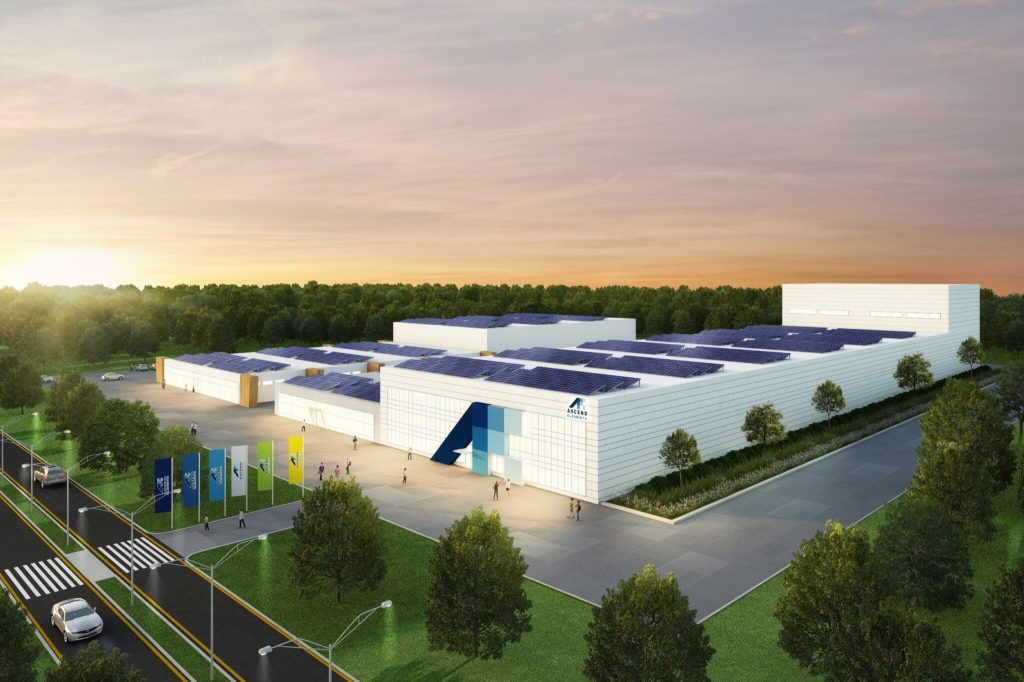
The dawn of a new era in battery recycling hit a brutal roadblock when Ascend Elements files for bankruptcy. A technician recently pulled a shredded lithium‑ion cell from the conveyor belt at the Kentucky site, watching molten copper rise as the plant began dismantling its legacy. This operation was designed to convert end‑of‑life packs into precursor materials for new cathodes, a process that Ascend claims reduces steps by half compared with industry averages. Despite this technological promise, the company’s filing signals a heavy bankruptcy blow after nearly $900 million in capital has been deployed on its Kentucky site.
The Financial Collapse and Grant Cancellation
CEO Linh Austin described the move to file for protection as triggered by “insurmountable” financial challenges. The primary catalyst was the cancellation of a $316 million state grant, which left a significant shortfall of 204 million dollars. This sudden withdrawal of funding shattered the company’s roadmap, turning a promising infrastructure project into a liability.
The impact on the wider sector is immediate:
- A high-profile battery recycling startup has officially entered bankruptcy proceedings.
- The EV market is stalling post-credit expiration, reducing demand for recycled materials.
- Kentucky legal hurdles have further complicated this critical minerals project.
Market Headwinds and Legal Obstacles
The timing of the collapse coincides with a rough patch for electric vehicles in the United States since tax credits ended last September. Sales surged early but never recovered, prompting several manufacturers to postpone new models or shift focus away from battery‑heavy platforms. Analysts note that this slowdown is amplifying pressure on recycling demand for raw materials, leaving startups like Ascend vulnerable.
Furthermore, the Kentucky facility, slated to open in 2027, has been entangled in multiple lawsuits over safety and environmental compliance. These legal battles have eroded investor confidence and raised questions about whether Ascend Elements can scale its model without further capital infusion. The delays have compounded the financial strain, making it difficult to attract new investment.
Future Outlook for Battery Recycling
While the immediate future looks bleak, the sector may rebound as automakers re‑evaluate supply chains and state incentives expand. Ascend’s survival will depend not only on critical minerals recovery but also on broader policy shifts that can lift the EV market out of its current slump. The technology remains viable, with the facility theoretically on track for opening Q4 2027, assuming funding continues to materialize from new sources.
Ultimately, the bankruptcy of Ascend Elements serves as a stark reminder that even the most efficient recycling processes face existential risks when capital flows dry up and regulatory landscapes shift. The industry now waits to see if policy changes can revive the market or if this will be the first of many casualties in the race for sustainable battery supply chains.