Action camera technology is evolving at a breakneck pace. As manufacturers push the limits of sensor size, video codecs, and stabilization algorithms, the gap between last year's flagships and today's releases continues to narrow. When searching for the best action cameras for all your craziest adventures, users must look beyond raw spec sheets to evaluate real-world usability and ecosystem integration.
Flagship Contenders for Extreme Conditions
The battle for dominance remains a fierce contest between DJI and GoPro. Both manufacturers are making significant architectural leaps to justify their premium price points, with high-resolution 8K recording now becoming a standard feature. However, true performance is often measured by how a camera handles difficult environments rather than sheer pixel count.
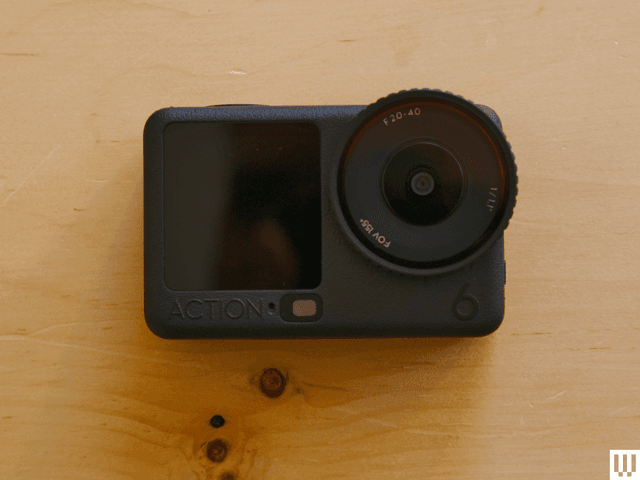
- DJI Osmo Action 6: Currently the standout contender for reliability, largely due to its innovative variable aperture system. This addresses a major pain point in action videography: maintaining clean footage when natural light fails.
- GoPro Hero 13 Black: Offers unmatched versatility through an expanded lens ecosystem. With specialized modules like macro and anamorphic lenses, it functions more like a modular cinema kit than a simple point-and-shoot.
While the GoPro offers incredible adaptability, users should consider whether the added complexity is ideal for rapid deployment in unpredictable settings.
Optimizing Content Creation and Vlogging
When your goal shifts from capturing adrenaline to creating polished video diaries, the camera's interface becomes the most important factor. The Insta360 Ace Pro 2 has become a leader in this category by prioritizing the creator workflow.
Its defining feature—a fully articulating rear screen—allows vloggers to monitor framing and composition intuitively without needing cumbersome external monitors. This shift suggests that action cameras are maturing from rugged recording devices into integrated content capture platforms. To get the most out of these tools, creators should look for:
- Variable Aperture Lenses: Essential for maintaining quality in dimly lit environments.
- Advanced Color Science: Improved default profiles that reduce heavy lifting during post-production.
- Ecosystem Depth: The ability to use interoperable lens modules to tailor your kit.
Finding the Best Action Cameras for Budget Constraints
Not every adventurer needs an 8K flagship. The budget segment remains vital for hobbyists or those running multi-camera setups. The DJI Osmo Action 5 Pro continues to occupy a high-value niche, offering capable performance at a much lower entry barrier. For users who prioritize reliable 4K capture and solid battery life over bleeding-edge resolution, this model provides an excellent alternative without sacrificing core image quality.
Ultimately, choosing the right gear in 2026 is about matching your specific workflow to the hardware's strengths. Professionals seeking cinematic depth may lean toward GoPro; dedicated vloggers will find value in Insta360’s screen layout; and those battling low-light conditions will likely find DJI's aperture technology indispensable.