Climate variability dictates the boom cycles of rodent populations across the Southern Cone, creating volatile conditions ripe for pathogen transmission. The recent emergence of deadly hantavirus cases aboard the MV Hondius cruise ship underscores a pattern where ecological instability directly intersects with global travel patterns. This crisis is not an isolated anomaly; it serves as a symptom of how climate change reshapes disease ecology in Argentina and beyond.
How Wet Weather in Argentina Fueled Rodent Booms
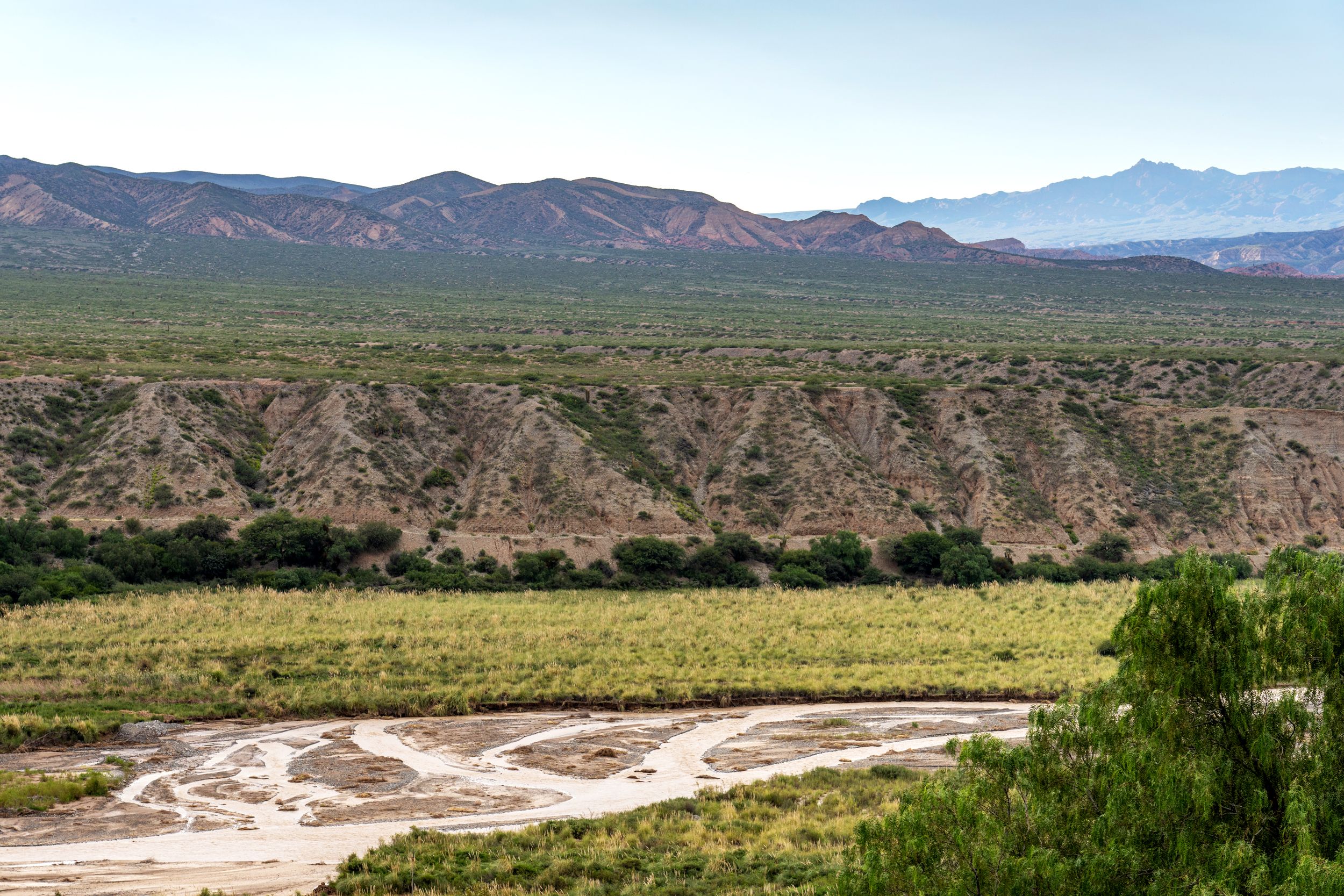
Across the pampas grass fields, a predictable but dangerous cycle repeats. Unpredictable weather patterns fuel explosive growth among rodent populations—a phenomenon locally known as a ratada.
Periods of intense rainfall, often following years of drought, trigger massive vegetation blooms. This sudden abundance of food sources for native rodents creates a perfect storm for population surges. These booms are critical because they provide limitless sustenance, allowing animal numbers to expand rapidly until resources become strained.
As populations swell, the risk of disease transmission increases through several factors:
- Increased Competition: Abundant food leads to more aggressive encounters between animals across all trophic levels.
- Viral Spread: Heightened physical interactions amplify the spread of the virus through bodily fluids.
- Species Adaptability: Rodents like the Pampas long-tailed pygmy rice rat (Oligoryzomys flavescens) are highly adaptable survivors that thrive even in human-modified agricultural landscapes.
Expanding Risk Zones and Viral Persistence
The movement of hantavirus risk zones mirrors global environmental shifts. While historically confined to specific regions within Patagonia, the incidence is now escalating into the far northern areas of Argentina. This suggests a profound geographical reconfiguration of the disease threat, as rising temperatures allow viral reservoirs to flourish in previously unsuitable habitats.
Human environments significantly impact how long the virus remains active. While UV radiation can degrade the pathogen on open surfaces, enclosed man-made structures—such as cabins or sheds—allow the virus to persist longer. This increases the risk of human exposure when people traverse these altered landscapes during warmer months.
Key Transmission Vectors
To understand how wet weather in Argentina contributes to outbreaks, one must look at how the virus enters the human environment:
- Airborne particles from contaminated excreta.
- Direct contact with rodent bites or saliva.
- Inhalation of dust containing dried waste material.
The Nexus of Travel and Ecology
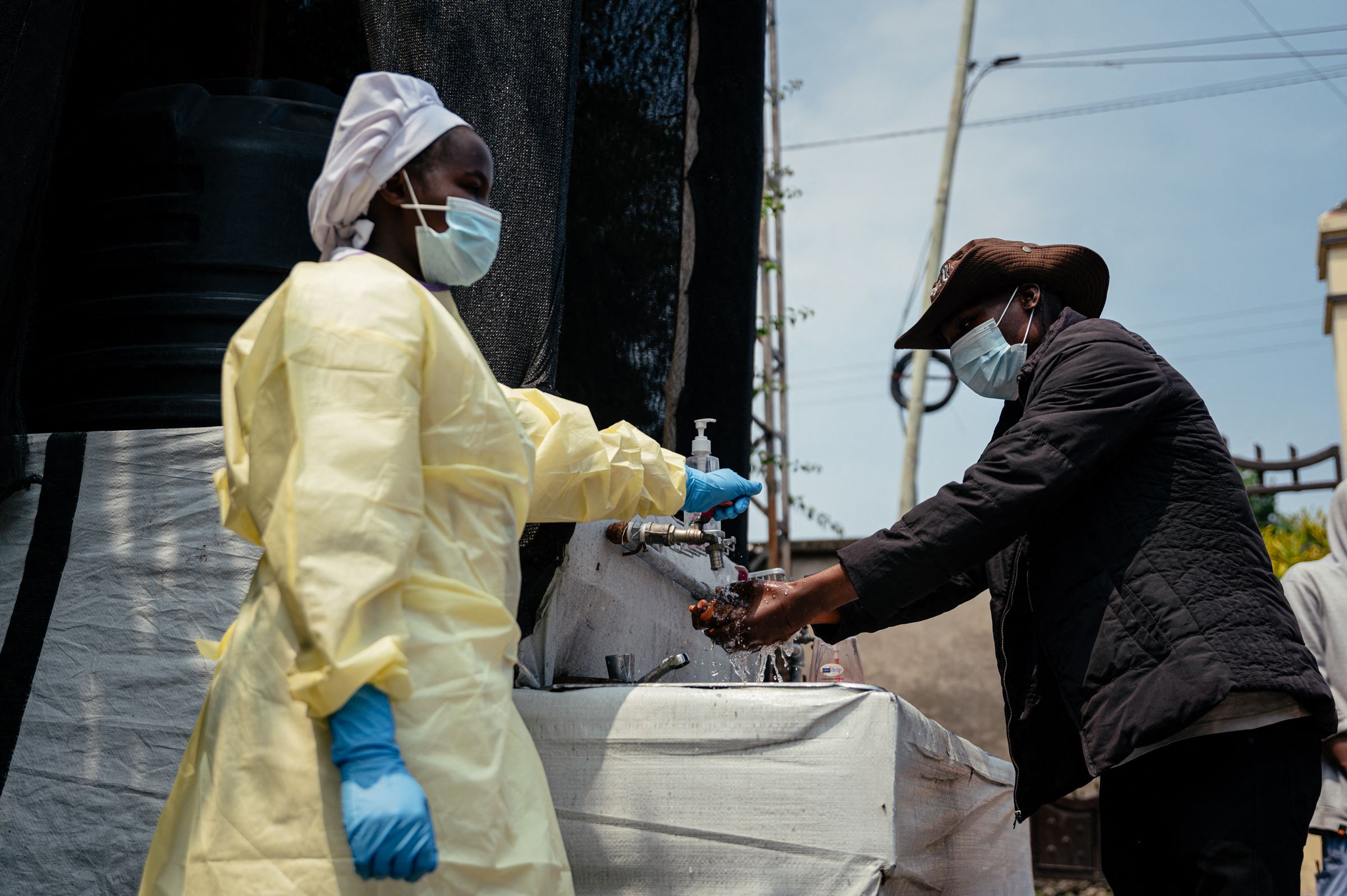
The hyperconnected nature of modern travel means that local ecological crises quickly transform into international public health concerns. The cruise ship incident is a stark reminder that while the primary reservoir for hantavirus is terrestrial, human mobility acts as an accelerant for global outbreaks.
Experts caution that early symptoms often mimic common illnesses like the flu, which can lead to a dangerous underestimation of the risk by both travelers and frontline medical staff. Investigations into recent infections point toward complex travel itineraries, emphasizing that tracing movement from remote rural sites to international ports is crucial for containment.
Because there is currently no vaccine available for the varied strains circulating in the Americas, the world must shift from reactive response to proactive surveillance. Mitigating future pandemics requires tracking viral circulation in wildlife populations before symptomatic human cases appear, especially as climate change continues to reshape the biological landscape.