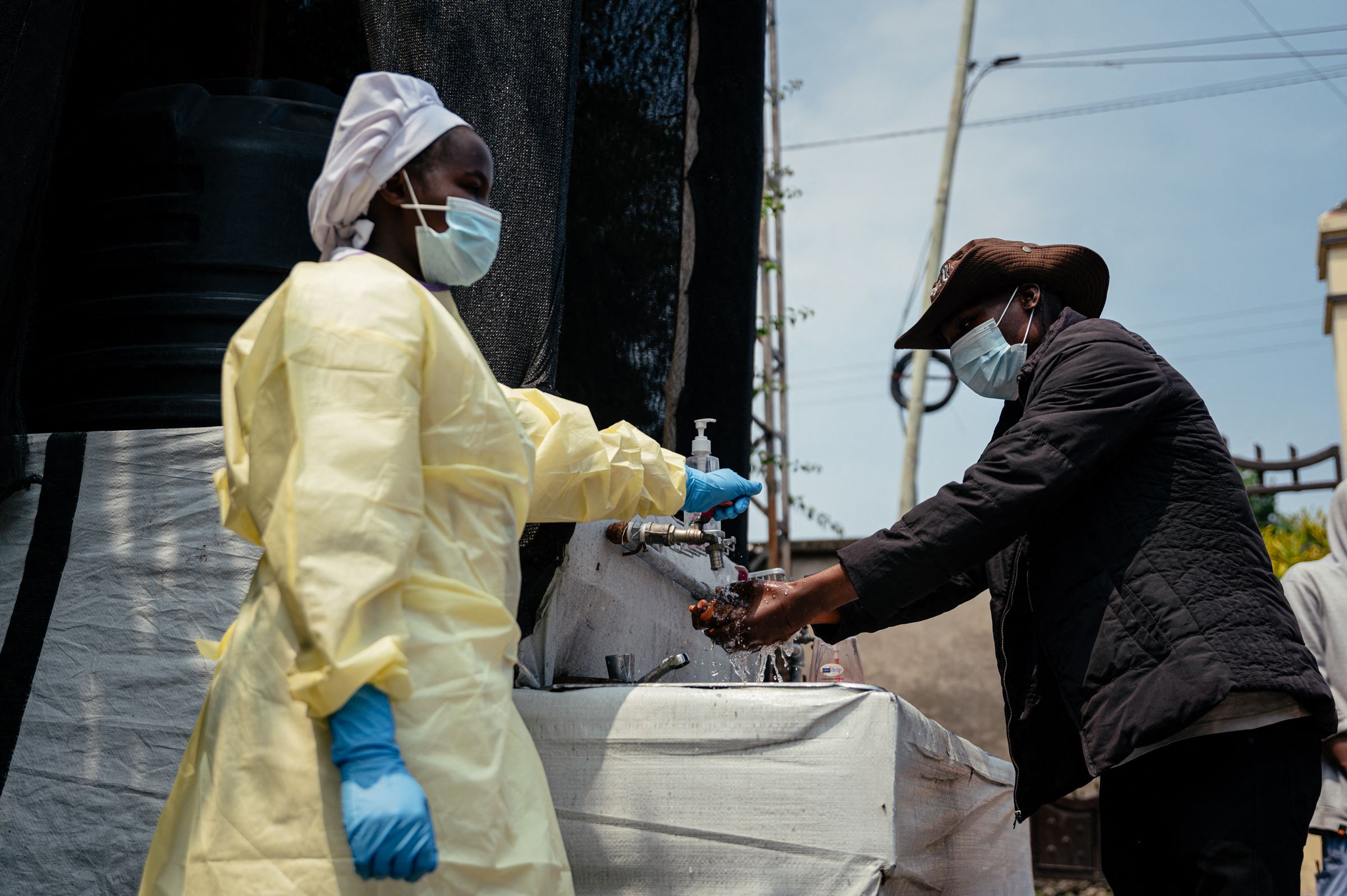
The persistence of a deadly viral pathogen in Central Africa is exposing the systemic fragility of global health security. As core funding mechanisms are undermined, public health workers report that basic necessities—including masks and hand sanitizers—are becoming critically scarce. This lack of resources is transforming localized outbreaks into potential continental crises, creating what many experts describe as a "perfect storm."
How Trump's Aid Cuts Are Fueling the Ebola Outbreak
The withdrawal of significant U.S. aid and the dismantling of key multilateral bodies have created an immediate vacuum in disease response capacity. Organizations previously bolstered by funding from USAID—a crucial pillar of infectious disease prevention in regions like the Democratic Republic of Congo—now find themselves operating with severely diminished resources.
This fragmentation has fractured the synergy between essential agencies, specifically the historical coordination between USAID's logistical support and the CDC’s on-the-ground response teams. Experts stress that this gap is more than a bureaucratic inconvenience; it represents a critical loss of immediate operational capability.
Effective outbreak management requires three pillars that are currently under threat:
- Rapid testing infrastructure to identify viral spread.
- Constant resupply of essential medical goods.
- Continuous influx of personnel to manage rising caseloads.
All these areas have been heavily impacted by recent fiscal retrenchment, proving how Trump's aid cuts directly hinder frontline defense.
The Confluence of Funding Cuts and Pathogen Risk
The intersection of reduced foreign aid and the emergence of highly lethal pathogens creates a dangerous environment for global biosecurity. When a disease like Ebola emerges—particularly strains such as Bundibugyo, for which no vaccine or treatment exists—the response must be immediate, overwhelming, and sustained. The erosion of predictable funding pathways inhibits this necessary continuity.
The impact of Trump's aid cuts is felt across the entire spectrum of public health readiness:
Laboratory and Workforce Disruptions
Reduced funding slows the capacity to sequence pathogens and confirm cases in a timely manner within laboratory operations. Simultaneously, workforce burnout is reaching critical levels as overstretched local staff lack the rotational support needed for high-intensity crisis response.
Supply Chain Failures
An inability to purchase basic protective equipment means containment efforts often stall at the very perimeter of care. Without a stable supply chain, medical professionals are left vulnerable, allowing the virus to spread more easily through healthcare settings.
Devaluing Preparedness as Public Health Policy
This crisis serves as a stark case study regarding the necessity of reliable, predictable global health investment. Attempts to curb spending often fail to account for the exponential cost associated with inaction during a viral surge. The narrative that preparedness is merely an expense, rather than vital infrastructure maintenance, proves dangerously flawed when confronted with biological realities.
The current situation highlights the need for decentralized resilience in public health frameworks. Over-reliance on any single nation's political cycle introduces unacceptable points of failure into global protocols. Ultimately, containing a novel hemorrhagic fever requires more than scientific prowess; it requires robust, consistently funded logistical pipelines. Without sustained financial backing, global health security remains perpetually vulnerable to the next unforeseen pathogen.