The era of the cumbersome, neon-drenched gaming brick has transitioned into an age where high-performance mobile hardware functions as a legitimate desktop replacement. Finding the best gaming laptops in 2026 means looking for devices that bridge the gap between heavy-duty towers and portable power. Gone are the days when portability required sacrificing significant frame rates or enduring massive, heat-radiating chassis dimensions.
Premium Aesthetics in the Best Gaming Laptops
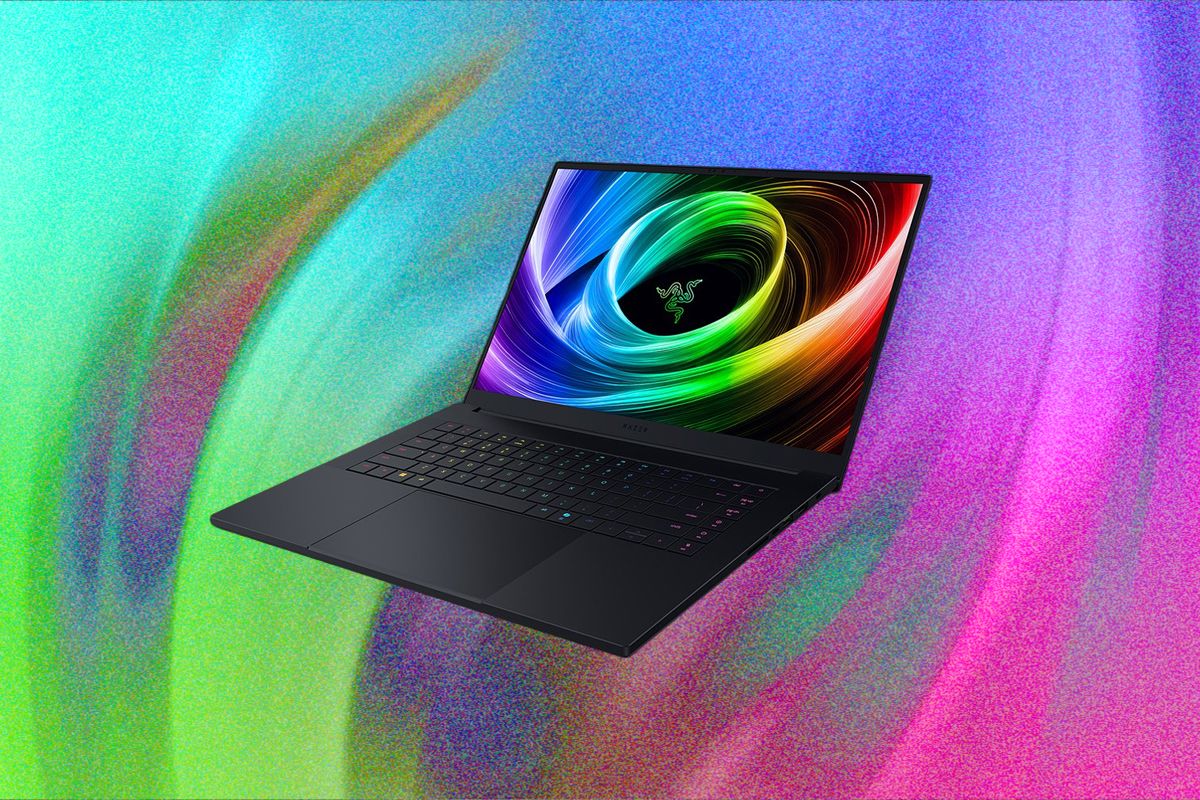
The modern gaming aesthetic is moving away from loud, aggressive branding toward a more sophisticated, minimalist design language. The Razer Blade 16 serves as the current benchmark for this movement, often described as the "MacBook of gaming laptops" due to its precision-machined aluminum construction and clean edges. Despite its slim profile, it houses top-tier components, including the highly capable RTX 5090 graphics card. While the premium price point remains a significant barrier, the hardware density achieved in this chassis is unparalleled.
High-End Competitors and OLED Excellence
For those seeking similar prestige without the Razer tax, the Asus ROG Zephyrus G14 and G16 have emerged as formidable rivals. These machines have evolved from mere alternatives into unique, high-end devices that prioritize both thinness and performance. Both models feature stunning OLED displays, offering a visual fidelity that makes them suitable for both competitive gaming and professional color-accurate work.
Raw Performance and Thermal Engineering
For users who prioritize raw performance over extreme portability, the Lenovo Legion 7i Gen 10 represents a different philosophy. This class of hardware focuses on thermal headroom and display brilliance rather than sheer thinness. The Legion 7i stands out with several key advantages:
- A striking white chassis that avoids typical "gamer" tropes.
- An exceptionally bright OLED display capable of exceeding 1,000 nits for superior HDR performance.
- High-end configurations featuring the RTX 5080 or 5070 Ti.
- A design that keeps most ports on the rear to maintain a clean workspace.
Finding Value in the Budget Segment
Finding a gaming laptop that does not compromise essential features is becoming increasingly difficult as component costs rise. When approaching the $1,000 threshold, the Lenovo LOQ 15 remains the most reliable choice for budget-conscious players. This subbrand excels at stripping away unnecessary "fluff" to focus strictly on the performance metrics that matter most in modern titles.
When searching for the best gaming laptops on a budget, the Acer Nitro V 16 offers an even cheaper entry point, though it comes with notable trade-offs. While it provides access to the RTX 5050, users should be aware of potential limitations regarding power delivery and screen quality. When choosing your next device, avoiding older hardware is critical; staying away from outdated RTX 3050 or 4050 configurations ensures that the machine remains relevant for several years.
Specialized Hardware and Niche Form Factors
The landscape of mobile gaming continues to expand through experimental designs that challenge the traditional clamshell format. The Asus ROG Flow Z13 represents one of the most interesting shifts, functioning essentially as a Windows tablet with a detachable keyboard. Because the internal components are positioned behind the screen, users can play intensive titles without the heat from the GPU warming their palms.
Beyond traditional laptops and tablets, the ecosystem is being reshaped by handheld devices and high-end creator machines:
- Handheld Powerhouses: Devices like the Steam Deck and Xbox Ally X provide unparalleled convenience for casual play on the move.
- Creator Hybrids: Laptops such as the Lenovo Yoga Pro 9i or Asus ProArt P16 offer discrete GPUs in chassis designed for content creation, bridging the gap between gaming and professional productivity.
As we look toward the remainder of the decade, the distinction between "gaming" hardware and "premium" hardware will likely continue to blur. The industry is moving toward a future where high-refresh-rate OLED panels and massive GPU throughput are standard features in devices that look as much at home in a boardroom as they do in an esports arena. For the modern enthusiast, the choice is no longer about choosing between power and portability, but rather deciding which specific balance of performance and form factor best suits their lifestyle.