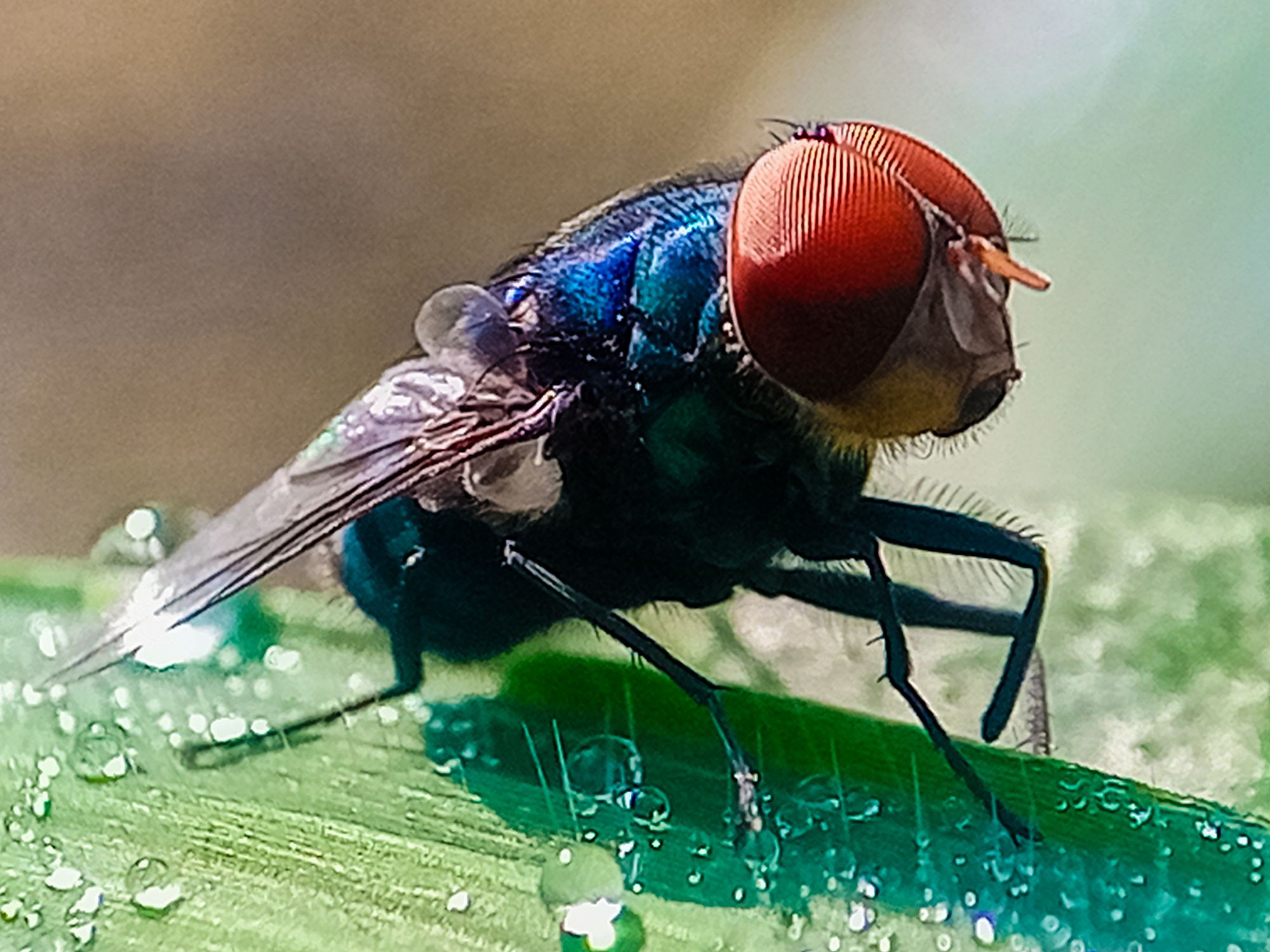
The confirmation of a New World screwworm case in Texas marks a significant shift in the biological landscape of the United States, a country that had long considered the pest eradicated. The discovery in Zavala County, Texas, has reignited concerns about the re-emergence of a parasite that once caused untold devastation to livestock and wildlife across the Americas.
A Resurgence Threatening Agricultural Stability
The presence of screwworms in the U.S. could have severe economic consequences, particularly for the cattle industry, which has benefited from decades of pest-free conditions. The larvae, which can infest open wounds on living mammals, cause rapid, fatal infections if left untreated. The USDA estimates that the eradication of screwworms has saved the U.S. livestock sector $900 million annually. With this barrier now breached, the potential for economic loss and disruption is real.
- Screwworms are known to infest a wide range of animals, including cattle, horses, and even humans.
- The larvae can grow rapidly within the host, leading to severe tissue damage and death.
- The U.S. livestock industry is now facing a new challenge that could threaten its stability.
Disputed Detections and the Spread of Panic
The initial confirmation of a screwworm case in Texas was met with a wave of speculation, some of which was unfounded. State representative Don McLaughlin claimed a case had been found just one mile from the U.S.-Mexico border, but the USDA and Agriculture Secretary Brooke Rollins denied this, calling such claims misleading. The potential for misinformation to amplify public fear is a pressing concern, especially when it comes from public officials.
- False reports can lead to unnecessary panic and economic instability.
- The USDA has emphasized the need for accurate information to prevent overreaction.
- Confirmed cases are being treated with immediate containment measures to limit spread.
Screwworm Comeback: A Fight Against the Clock
The return of screwworms to the U.S. highlights a broader issue of invasive species crossing international borders, often due to changes in climate, human activity, or the breakdown of biological barriers. In the 1960s, the U.S. and its partners used the Sterile Insect Technique to eradicate the pest, a strategy that involved releasing millions of sterile male flies to prevent breeding.
- The method proved highly effective in reducing and eventually eliminating screwworm populations.
- A biological barrier at the Darién Gap between Panama and Colombia helped maintain this control.
- However, that barrier was compromised in 2022, allowing the flies to move northward.
Now, the USDA is taking aggressive steps to contain the infestation, including setting up a 20-kilometer quarantine zone and deploying millions of sterile flies in both Mexico and the U.S. The agency is also constructing a new $750 million sterile fly production facility in South Texas, aiming to reinforce its defenses against the pest's advance.
A New Era of Pest Management
The re-emergence of the screwworm is not just a problem for Texas or the cattle industry—it is a wake-up call for the entire agricultural sector. The success of past eradication efforts has shown that with the right tools and strategies, pests can be controlled. However, the changing dynamics of global ecosystems, combined with increased movement across borders, mean that such threats are more complex than ever.
As the USDA continues its containment efforts, the broader question remains: How prepared is the U.S. to manage biological invasions in a rapidly evolving world? The answer will shape not only the future of agriculture but also the way public health and environmental agencies collaborate to prevent similar threats.