A single spilled bowl of cereal can transform a pristine hardwood floor into an obstacle course of debris in seconds. For years, the response to such household chaos involved manual labor and heavy upright vacuums, but the landscape of domestic maintenance has shifted significantly. Finding the best robot vacuum of 2026 means looking for a device that uses advanced computer vision to identify and eliminate even the most microscopic traces of dirt.
The Evolution of Autonomous Cleaning
The era of the "dumb" robot vacuum is officially over. Early iterations of these devices functioned primarily as randomized collision machines, wandering aimlessly until their batteries depleted. Today's flagship models act more like specialized cleaning robots, equipped with LiDAR, RGB cameras, and complex software suites.
These modern machines are capable of identifying specific floor types, detecting liquid spills, and even navigating around delicate obstacles like pet waste or stray charging cables. This technological leap allows for a dual-function approach to floor care.
High-end models now integrate high-torque vacuuming with active mopping systems. This means the same device that lifts hair from a high-pile rug can also scrub away dried coffee stains on tile. As these devices become more sophisticated, the role of the human user shifts from active cleaner to occasional supervisor, responsible only for maintaining hardware and emptying docking stations.
Comparing the Best Robot Vacuum of 2026: Shark vs. Eufy
Selecting the right unit requires balancing raw cleaning power against the complexity of your home environment. When searching for the best robot vacuum of 2026, you will find two brands currently leading the market by offering distinct approaches to different consumer needs: high-end intelligence and budget-friendly efficiency.
The Premium Choice: Shark PowerDetect UV Reveal
The Shark PowerDetect UV Reveal represents the premium tier of autonomous cleaning, priced at approximately $1,300. This model utilizes NeuroNav AI—a combination of RGB sensors, lasers, and an UltraRange camera—to map environments with extreme accuracy.
A standout feature is its integrated UV light, which scans floors to reveal hidden stains and organic matter that traditional sensors might overlook. During testing, the unit demonstrated impressive corner performance via an extendable arm, successfully navigating tight spaces between furniture legs. However, premium features come with specific trade-offs:
- Single-floor mapping: The device can only store one active map, making multi-story homes difficult to manage without remapping.
- Debris handling: While it utilizes a convenient bagless system, the sheer amount of data processed by the AI can lead to longer cleaning cycles as the unit returns to scrub identified spots.
- Obstacle avoidance: The "NeverStuck Technology" allows the unit to lift itself over low-profile obstacles, though it may still bypass smaller debris to avoid collisions.
The Budget Champion: Eufy Omni C28
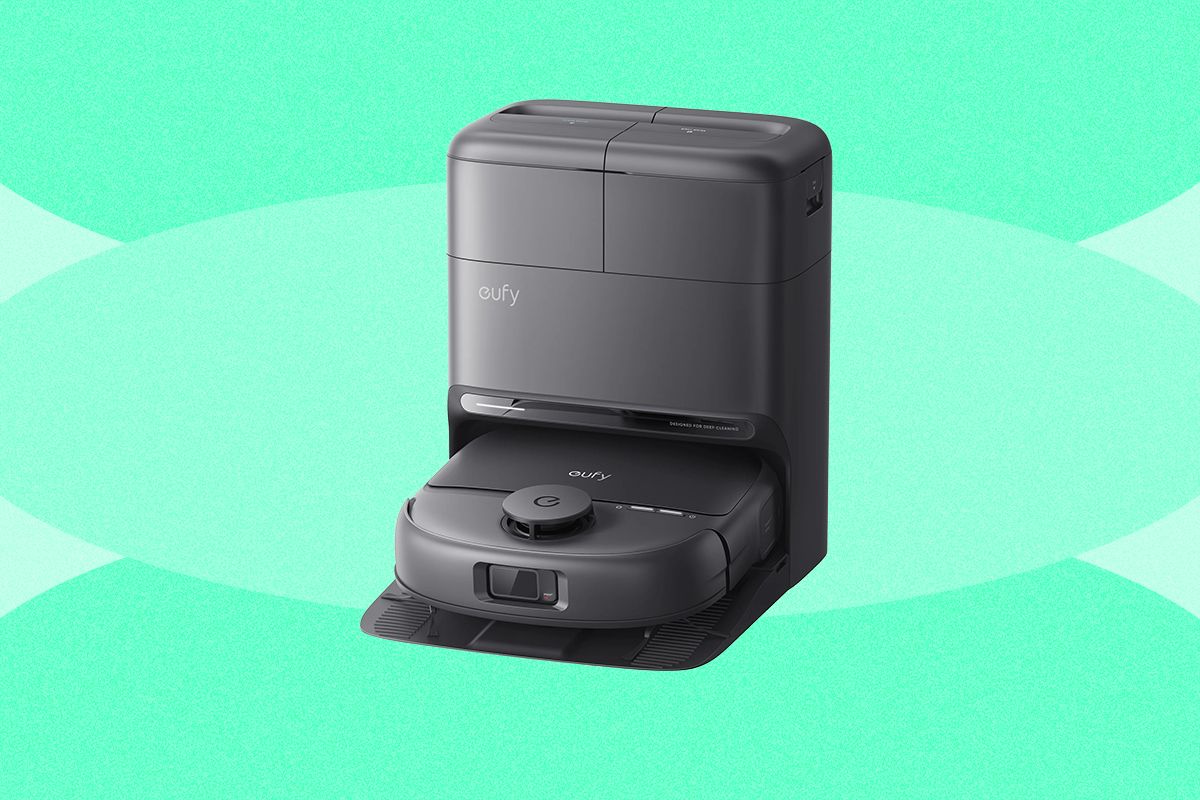
For those seeking high performance without a four-figure investment, the Eufy Omni C28 serves as the premier budget alternative. Retailing in the $530 range, this model focuses on mechanical efficiency rather than high-cost sensor arrays.
The C28 boasts nearly double the suction power of its predecessors and introduces a self-cleaning roller mop, which significantly reduces the manual upkeep required after a cleaning cycle. It also features retractable detangling brushes, a critical component for households managing pet hair.
Essential Requirements for Robot Integration
Deploying an autonomous cleaner is not as simple as placing it on the floor and walking away. Successful integration into a smart home ecosystem requires attention to several technical and physical parameters. Hardware longevity and navigational accuracy depend heavily on the environment provided by the user.
Consider the following requirements for a stable deployment:
- Network Stability: Most units require a dedicated 2.4 GHz Wi-Fi band for app control and firmware updates; 5 GHz bands often lack the range necessary to reach the vacuum in distant corners.
- Docking Clearance: Base stations need at least twelve inches of open space on three sides to ensure the robot can dock accurately without error.
- Floor Preparedness: While modern robots are adept at obstacle avoidance, thin rugs or loose bath mats can still cause the unit to become stuck or stalled.
The industry is moving toward a future where "set and forget" is no longer an exaggeration. As battery density improves and AI processing becomes more efficient, the gap between manual cleaning and robotic maintenance will continue to close. Whether you decide that the best robot vacuum of 2026 is the high-tech Shark or the rugged Eufy, the goal remains the same: reclaiming time from the endless cycle of household chores.