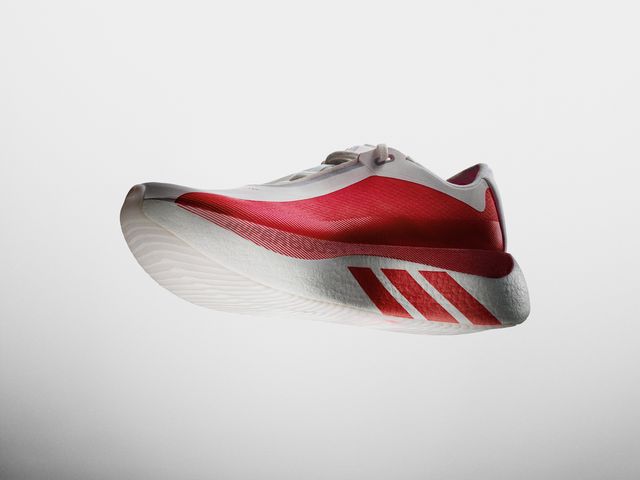
The rhythmic strike of a heel against pavement becomes noticeably different when a thick slab of gas-infused foam sits between the foot and the asphalt. For decades, distance running relied on denser, more predictable materials like EVA (ethylene-vinyl acetate), which provided stability but lacked aggressive energy return. Now, the arrival of the Adidas Hyperboost Edge signals a significant shift in how performance technology is being distributed across the consumer market.
The Rise of the Super Trainer
The running industry is currently witnessing a transition from specialized "super shoes" designed solely for race day to a new category known as the super trainer. While carbon-plated icons like the Nike Vaporfly revolutionized marathon times, their extreme rigidity and high cost make them impractical for high-volume training.
The Hyperboost Edge aims to bridge this gap by offering much of that "supershoe" DNA—including massive stack heights and high-rebound materials—within a more durable package. This category is about translating extreme performance into an everyday tool. By utilizing lightweight uppers and advanced midsole compositions, these shoes allow runners to maintain higher cadence and efficiency during standard workouts.
Engineering the Adidas Hyperboost Edge Midsole
While carbon plates often dominate conversations around footwear technology, the true innovation in the Adidas Hyperboost Edge lies within its midsole. The shoe features a substantial 45mm stack height at the heel and 39mm at the forefoot. This structure is built from Adidas' proprietary Hyperboost Pro foam.
The Power of Supercritical Foam
This is a supercritical foam, created by injecting gases like nitrogen or CO₂ under high pressure into the material during molding. This process creates a microscopic cellular structure that makes the foam significantly lighter and more resilient than traditional alternatives.
In this model, the technology manifests as a ride that is both highly cushioned and remarkably bouncy. Crucially, Adidas has achieved this massive stack height while keeping the weight of a US men's 9.5 model under 9 ounces. In an industry where every 100 grams can increase energy expenditure by roughly 1 percent, managing this weight-to-cushion ratio is the ultimate engineering challenge.
The Shift Toward Plate-Free Performance
A notable characteristic of the Adidas Hyperboost Edge is its lack of a carbon or nylon plate. While shoes like the Hoka Mach X3 utilize plates to add stiffness, Adidas has opted for a purely foam-driven propulsion system.
This decision aligns with a growing trend among endurance athletes who are wary of the potential injury risks associated with rigid, plated footwear. Running in highly structured, plated shoes can fundamentally alter a runner's biomechanics, changing how pressure is distributed across the metatarsals. By removing the plate, this shoe offers a more natural foot motion while still reaping the benefits of high-energy-return foams.
To understand where this technology fits in the current market, it is helpful to categorize the various midsole compositions:
- PEBA (polyether block amide): The gold standard for high-performance footwear; extremely light and bouncy with maximum energy return.
- ATPU (aliphatic thermoplastic polyurethane): A more durable and stable alternative to PEBA, offering a firmer, more controlled sensation.
- TPEE (thermoplastic polyester elastomer): Known for extreme softness and high compression, though often slightly heavier than PEBA.
- EVA (ethylene-vinyl acetate): The traditional industry standard; reliable and stable, but lacks the "pop" of supercritical foams.
Verdict: A New Standard for Training
The Adidas Hyperboost Edge represents a sophisticated move toward democratizing elite technology. It does not attempt to mimic the specialized, almost clinical feel of a carbon-plated racer. Instead, it focuses on maximizing the potential of supercritical foam to create a more forgiving yet energetic daily trainer. For athletes looking to increase mileage without sacrificing speed or comfort, this shoe provides a compelling argument for the future of high-performance training.