The 2026 Revolution in Smart Shades and Motorized Window Treatments
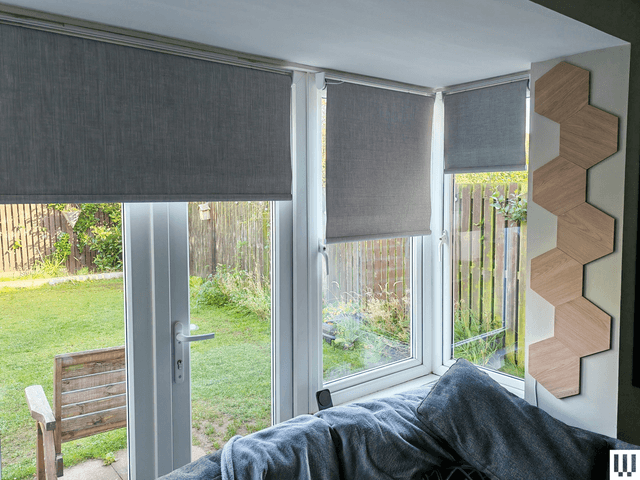
A quiet hum breaks the silence of a dimly lit living room as a set of charcoal-gray shades glides upward, flooding the space with morning light before the first coffee pot begins to gurgle. This seamless transition from darkness to illumination marks the maturation of smart window treatments, moving them from novelty gadgets for tech enthusiasts to essential infrastructure for modern homes. Once reserved for high-end hotels or estates owned by the ultra-wealthy, motorized shades and blinds have undergone a radical democratization in 2026. The barrier between DIY accessibility and professional-grade automation has dissolved, allowing homeowners to order tailor-made solutions that integrate directly into their existing smart ecosystems without requiring a PhD in networking.
The current market for smart shades is defined by the shift toward universal connectivity protocols like Matter over Thread, which have largely eliminated the need for proprietary hubs or complex bridge devices. While early adopters struggled with fragmented ecosystems where a shade from one brand refused to speak to the lighting system of another, 2026's best options prioritize interoperability as a core feature rather than an afterthought.
Top Picks: Customization and Universal Connectivity
The SmartWings Motorized Roller Shades remain the definitive choice for versatility, offering a modular experience that accommodates virtually any window configuration or smart home preference. Users can select from a vast array of materials and colors, ensuring the hardware complements the interior design rather than dominating it. Installation has been streamlined to a twenty-minute process involving standard PVC brackets, yet the engineering behind the spring mechanism ensures that even large panels snap into place with surgical precision.
Connectivity remains the primary battleground for these devices, and the leaders have won by supporting multiple wireless standards simultaneously. The SmartWings models now support Matter, Zigbee, and Z-Wave out of the box, allowing users to bypass a central hub if they possess a compatible router like an Apple TV 4K or Amazon Echo with built-in Thread capabilities. This flexibility means that controlling shades via voice commands through Alexa, Google Home, or Apple Siri is as reliable as controlling a smart bulb. Battery life has also seen a significant jump, with most top-tier models offering three to six months of operation on a single charge, though the integration of solar charging panels provides an elegant solution for perpetual power without the need for frequent recharging cycles.
Performance Metrics: Energy Efficiency and Reliability
Beyond the convenience of voice control, the practical utility of smart blinds has shifted toward energy management and environmental regulation. High-performance cellular shades, such as those from Yoolax, have become the go-to for homeowners in extreme climates who prioritize thermal insulation alongside automation. The honeycomb structure of these materials creates an air pocket that traps heat during winter and blocks solar gain in summer, effectively reducing the load on HVAC systems. While the motor housing is slightly bulkier than traditional rollers, the magnetic valance provides a clean finish that masks the mechanical components without sacrificing functionality.
The trade-offs between price, noise, and ecosystem compatibility are more nuanced than ever before. For users willing to invest in premium reliability, Lutron Caseta Smart Shades continue to set the benchmark for consistency, despite lacking native Matter support. The system's reliance on a dedicated hub ensures zero-latency performance, making it ideal for automated scenes that trigger instantly at sunrise or sunset. The switch from internal lithium batteries to standard D-cell alkalines in the new Caseta line extends battery life to an impressive two years, significantly reducing maintenance frequency compared to the rechargeable competitors.
When selecting a system, users must weigh several critical factors:
- Ecosystem Compatibility: Ensure the chosen device supports your primary smart home platform (Matter/Thread vs. proprietary Zigbee hubs).
- Mounting Requirements: Decide between inside and outside mounts, as this choice drastically affects light leakage and thermal sealing efficiency.
- Noise Levels: Compare decibel ratings, especially for bedrooms where a 60dB motor can disrupt sleep more than the visual change of light does.
- Power Source: Evaluate whether a USB-C rechargeable battery or a solar panel setup better suits your window's exposure to sunlight.
The Verdict: Choosing Your Ideal Window Control
The landscape of smart window treatments in 2026 is no longer about finding a device that works; it is about finding one that integrates invisibly into the fabric of daily life. The most successful products are those that balance aesthetic minimalism with robust engineering, ensuring that the technology feels like an extension of the home rather than an intrusion. While the initial cost for made-to-measure solutions remains higher than off-the-shelf alternatives, the long-term value proposition in terms of energy savings and convenience is undeniable. The era of clunky, noisy, and disconnected smart blinds is effectively over, replaced by a generation of silent, intelligent systems that respond to human needs with quiet efficiency.
For the discerning buyer, the SmartWings Motorized Roller Shades offer the best all-around package for those who value customization and universal connectivity. However, for those prioritizing absolute reliability and long-term battery life without reliance on solar exposure, the Lutron Caseta Smart Shades remain the superior choice despite their premium price tag. As the technology matures, the line between a smart home and a responsive living space continues to blur, with motorized window treatments serving as the critical bridge that makes a house truly feel like a home.