The 2026 Climate Control Landscape: Efficiency Meets Adaptability
Global cooling demands are pushing residential energy infrastructure to unprecedented stress points, making efficient climate control units more critical than ever for modern habitability. As summer peaks intensify due to shifting weather patterns, the window air conditioner market has evolved from simple cooling boxes into sophisticated energy management hubs. For homeowners navigating the increasingly unpredictable temperatures projected through 2026, selecting a unit requires balancing initial outlay against long-term operational efficiency and sheer convenience. The era of buying based solely on price is over; today’s buyers must prioritize smart inverter technology and installation flexibility to manage rising utility costs effectively.
Optimizing Performance with Smart Inverter Technology
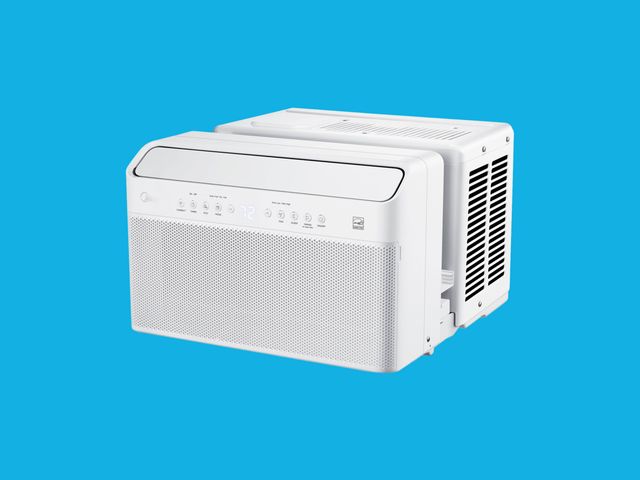
The leading contenders in the current market converge on inverter technology as the primary metric for performance longevity. Units featuring smart inverter compressors—exemplified by Midea’s U-Shaped design—offer unparalleled ability to modulate cooling output rather than simply running at maximum capacity. This modulation is key; it prevents the rapid cycling of older, fixed-speed units, leading to quieter operation and demonstrable savings on utility bills over time. Furthermore, advanced features are becoming standard, moving beyond simple temperature control. Modern models often integrate connectivity with smart home ecosystems like Google Assistant and Alexa, allowing users to precondition their living spaces before arriving home.
The Midea unit stands out as a prime example of this convergence. Its U-shaped construction is an engineering marvel that addresses a historic pain point: the necessity of opening windows for ventilation while keeping the AC unit mounted securely. The inclusion of redesigned drain plugs and improved sealing mechanisms speaks to manufacturers dedicating significant resources to user safety and reliability. Meanwhile, Zafro enters this conversation with robust portability married to inverter efficiency, making it an attractive alternative for sprawling or unusually configured homes where a single window installation point is insufficient.
Adaptability and Flexibility in Cooling Solutions
Not every home presents the perfect rectangle of an opening window; structural variations, historic architecture, and temporary cooling needs demand adaptable machinery. This segment favors portable designs that can be repositioned without professional installation work. The Zafro Smart Inverter Portable AC excels here, utilizing a dual-hose system that manages exhaust flow far more effectively than single-hose competitors. This system minimizes the detrimental negative pressure changes within the home, ensuring that conditioned air isn’t sucked out through cracks in the walls. Its ability to slide into various window frames makes it ideal for those with older or non-standard window casings that resist standard mounting brackets.
Conversely, when budget dictates the purchase, brands like GE still offer functional units capable of managing smaller zones. However, buyers must approach these cost-effective models with caution regarding efficiency metrics. A lower initial price often correlates directly with a less sophisticated compressor and fewer integrated smart features. Reviewing the CEER (Combined Energy Efficiency Ratio) rating is paramount; this single number encapsulates cooling capacity versus power draw in both active cooling and standby states, providing an objective measure of long-term running cost that raw BTU output cannot convey.
The Economic Calculus: Budget vs. Long-Term Efficiency
The decision between a premium, connected unit and a budget workhorse boils down to the acceptable threshold for operational expenditure versus capital expenditure. While a lower upfront cost is immediately appealing, factoring in peak summer usage rates can quickly erode those initial savings. A high-efficiency model, even with its higher sticker price, often achieves parity or superiority over several years compared to a basic unit struggling against high energy consumption.
Consider the key differentiators when comparing these categories:
- Midea U-Shaped: Best overall blend of convenience and efficiency, featuring a unique design that allows window opening for fresh air while maintaining climate control.
- Zafro Portable: Ideal for odd-shaped windows and renters, offering the flexibility to move cooling power room-to-room with a superior dual-hose exhaust system.
- GE Budget Options: Suitable for those with tight immediate budgets who prioritize cooling capacity over long-term energy savings and smart home integration.
Verdict: Choosing the Right Path for 2026
As we look toward the future of home climate control, the distinction between a basic appliance and a smart environmental device will only widen. For most users, the investment in Midea’s U-Shaped model pays dividends in daily comfort and ease of use, effectively solving the age-old conflict between staying cool and getting fresh air. Renters or those in older homes with non-standard windows will find the Zafro Smart Inverter to be a versatile and powerful companion, offering the portability that fixed units simply cannot match. Meanwhile, budget-conscious buyers opting for GE units must remain vigilant about their electricity usage, as the lower entry price may come at a steep operational cost over the lifespan of the device. Ultimately, the best choice depends on your specific living situation, but prioritizing efficiency and adaptability will ensure comfort regardless of how extreme the summers become.