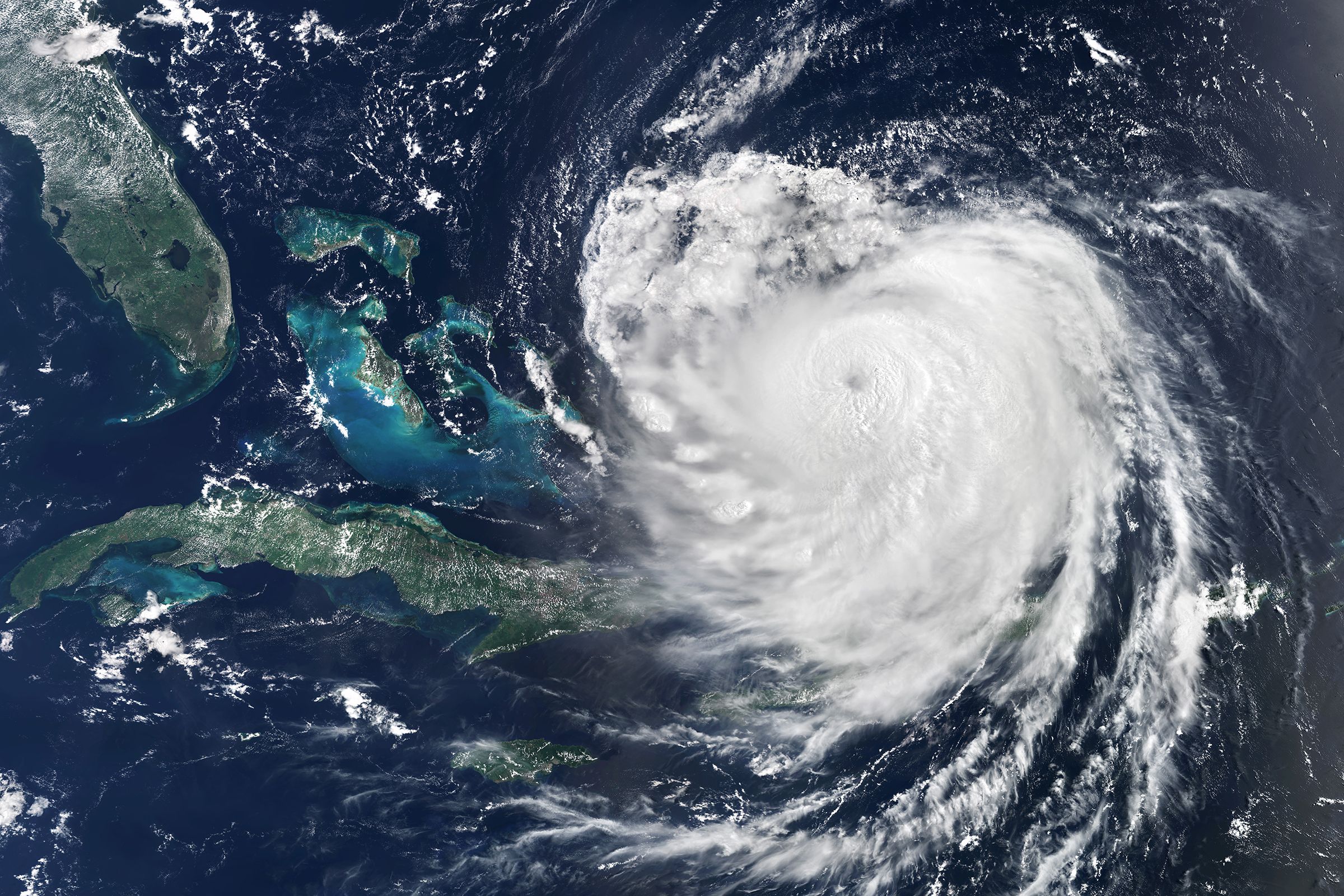
Statistical models are currently predicting a subdued Atlantic hurricane season for 2026, suggesting a period of relative calm in the atmosphere-ocean dynamic. While these forecasts may offer a sense of relief, they also carry a significant risk: dangerous complacency. A forecast of low activity does not guarantee safety from major impacts, nor does it eliminate the threat of catastrophic weather events.
Understanding why the season might be quieter requires looking at the primary climatic drivers, but equally important is recognizing the variables that can quickly undermine these predictions.
El Niño’s Role in Suppressing Tropical Development
The primary reason for the predicted lull in activity is the El Niño climate pattern. This massive shift in Pacific Ocean temperatures fundamentally alters global wind shear and atmospheric stability across different basins. In the tropical Atlantic, these changes create a hostile environment for developing cyclones.
Specifically, the altered upper-level winds are expected to increase wind shear. Historically, strong El Niño events have effectively torn apart nascent storm structures before they can organize into major threats. This pattern works against intensification in the Atlantic basin, theoretically keeping the overall count of named storms low compared to an average year.
However, historical trends are not deterministic rules. While large-scale climate patterns dictate potential activity levels, the actual formation of a tropical system remains highly volatile. Relying solely on broad climatic indicators for risk assessment is dangerously incomplete.
Overlooked Variables Beyond Climate Indices
Forecasting models that rely exclusively on ENSO cycles or mean ocean temperature averages often ignore localized and rapidly changing variables. These factors can dictate storm tracks and intensity in ways that broad indices cannot capture.
Several critical elements introduce uncertainty into the 2026 outlook:
- Ocean Heat Content: Even if atmospheric shear is high, local pockets of unusually warm water can provide enough energy to sustain significant storm development. These localized heat reservoirs can override unfavorable atmospheric conditions.
- Atmospheric Dust Loading: Plumes of Sahara dust introduce airborne particulates that have a documented ability to inhibit or alter cyclonic formation. This creates chaos in forecasting models, as the dust adds unpredictable friction and stability changes.
- Modeling Advances: The integration of Artificial Intelligence (AI) models alongside traditional physics equations is improving predictive power for storm movement, though intensity prediction continues to lag behind.
Catastrophic Risk Remains Independent of Seasonality
The most critical takeaway from current seasonal forecasting is the inherent danger in assuming a correlation between low statistical activity and minimal threat. Meteorology rarely delivers neatly segmented risk profiles; instead, threats are singular and impactful.
Experience demonstrates that it takes only one event to derail any notion of a quiet season. Therefore, the focus must shift from counting predicted storms to individual storm preparedness. A low-numbered forecast should never be interpreted as an all-clear signal for coastal areas or inland regions adjacent to potential paths.
The true measure of resilience is built during the quiet periods, preparing for the anomalous landfall rather than celebrating a seemingly mild prognosis. While El Niño may dampen the overall count in the Atlantic Basin, vigilance must persist until the last weather alert is officially lifted. Preparedness remains a year-round civic and personal responsibility, regardless of the statistical outlook.