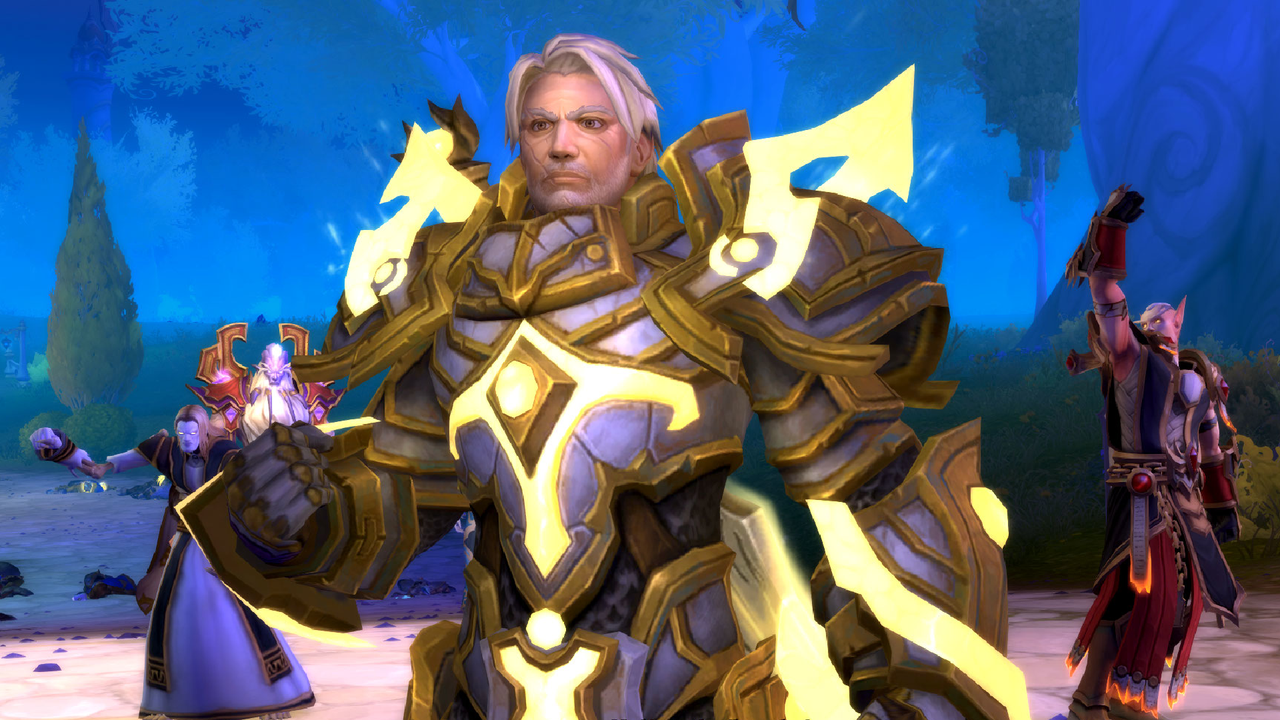
World of Warcraft has been a titan in the MMO industry for over two decades. Even through recent wobbles like Shadowlands, it remains a dominant force in the genre. However, former Blizzard president Mike Ybarra recently shared his belief that a WoW 2 would have been more impactful than the current cycle of re-skinned expansions.
During his tenure at Blizzard—which ended following Microsoft's $68.4 billion acquisition and subsequent 1,900 layoffs across Xbox and Blizzard—Ybarra had several creative ideas for the franchise. He envisioned a version of "WoW that is about WAR" and an expansion centered on a new Lich King concept following the events of Wrath of the Lich King. He also advocated for more time spent on raids and catering to the core gaming audience.
The Argument for WoW 2
The most controversial part of Ybarra's revelation is his advocacy for a WoW 2. He suggested that a sequel would have been preferable to "the same WoW 1 expansions over and over re-skinned." This highlights a growing fatigue within the player base regarding repetitive content cycles.
While some players might agree, transitioning an established player base is a massive undertaking. We can look at several eras that made a sudden shift to a sequel risky:
- Mists of Pandaria and Legion (beloved, foundational eras)
- Warlords of Draenor (period of content droughts)
- Battle for Azeroth (era of systems headaches)
- Shadowlands (recent gameplay catastrophes)
Why a Sequel Never Materialized
Ybarra clarified that he lacked the authority to force such a massive change. He noted that the Game Director, Ion Hazzikostas, ultimately owns the creative vision for the game. According to Ybarra: "The President of Blizzard doesn't pitch game ideas... Ion did not ignore [me], he balanced a lot of things and ultimately decided where he wanted to take the game."
MMO sequels are not always a failure; Final Fantasy 14 and Guild Wars 2 have both found success in their own spheres. However, finding the right stepping-off point for a WoW 2 would have been difficult without alienating players or abandoning beloved content.
Ultimately, while the latest patches have been buggy and the game remains inconsistent, World of Warcraft remains stubbornly profitable. It is a powerhouse that continues to justify Microsoft's massive investment, proving it is unlikely to be defeated by anything short of a meteor hitting Earth.