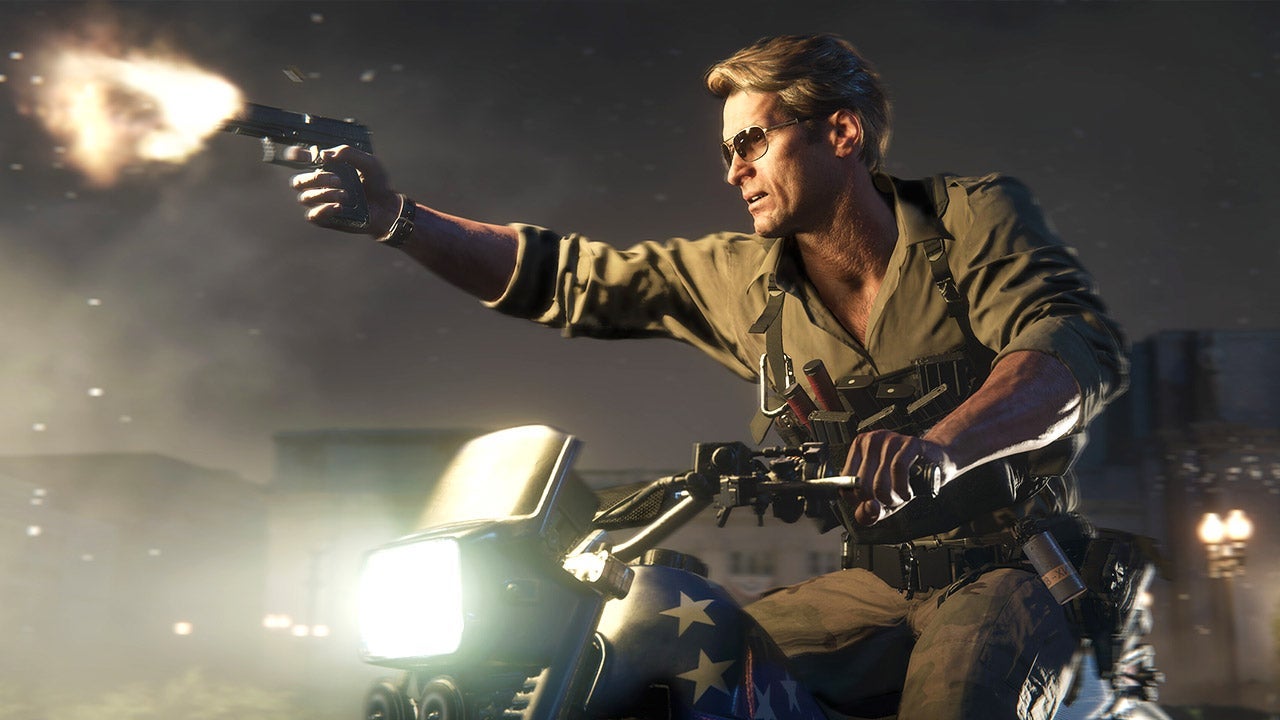
Brian Raffel Retires: A Legacy of Innovation at Raven Software
The gaming world is witnessing the end of an era as Brian Raffel, the visionary co-founder, officially retires after a monumental 36 years at Raven Software. Since establishing the studio in 1990 alongside his brother Steve Raffel, Brian has steered this Madison-based developer through massive industry shifts, leaving an indelible mark on pop culture franchises ranging from Star Wars and Star Trek to Marvel and most recently Call of Duty. While Steve retired earlier in 2017, this announcement marks the conclusion of a remarkable dual-decade leadership tenure that transformed Raven into one of the gaming industry's most respected studios.
Raffel's retirement signifies the closing of a chapter defined by storytelling and technical excellence, proving that a studio founded on passion can endure for decades in a volatile market. His departure leaves behind a legacy where Call of Duty developers have become synonymous with quality, yet his influence stretches far beyond modern shooters into the very fabric of 90s gaming history.
From Black Crypt to Global Gaming Powerhouse
In 1990, driven by a shared passion for storytelling, Brian and Steve launched what began as a small creative pursuit known as Black Crypt. According to a statement from the studio, "What began as a small creative pursuit known as Black Crypt grew into something far, far greater." Under Brian's guidance, the studio navigated a wild and shifting landscape to shape the company it is today.
Brian has crafted stories spanning from dark, otherworldly realms to galactic distances, earning Raven a place among the industry greats. His diverse portfolio includes iconic titles that defined generations of gamers:
- Hexen
- Star Wars Jedi Knight: Jedi Academy
- X-Men Legends
- Wolfenstein series entries
- Early work on Heretic and Shadowcaster
These achievements not only built a legacy of iconic experiences but also earned the trust required to shape and evolve the Call of Duty franchise over recent years. Raven Software's impact extended beyond its own games, effectively transforming Madison, Wisconsin, into a recognized hub for game development. The studio's success spawned numerous other entities, including a Respawn Entertainment satellite focused on Apex Legends, the now-shuttered developer Human Head Studios, and a thriving scene anchored by the University of Wisconsin-Madison, where Brian is an alumnus and continues to support via mentorship programs.
A Legendary Partnership with id Software and Beyond
While Raven has dedicated over a decade to Call of Duty—designing Warzone and leading campaigns for Black Ops: Cold War, Black Ops 6, and the upcoming Black Ops 7—its history is rooted in diverse innovation. The studio launched into stardom through a close partnership with id Software, which had also started in Madison before relocating to Texas prior to Wolfenstein 3D. This collaboration produced the 1994 medieval-Doom-like shooter Heretic on the Doom engine, followed by the role-playing sequel Hexen.
Legendary Doom designer John Romero recalled his initial contact with Brian in a conversation with IGN. "Brian is the one who answered the phone in winter 1991 while id Software was newly-moved to Madison," Romero said. After seeing a classified ad, Romero and his team—Tom Hall, John Carmack, and Adrian Carmack—drove over to meet the young Raven team, including Ben Gokey and the Raffel brothers.
Romero noted that their initial attempt to license the Commander Keen 4 engine for PC development fell through, but the relationship flourished after Wolfenstein 3D. "I told Brian I'll contact him again in the future," Romero recalled regarding an early licensing deal that eventually led to Shadowcaster. However, it was the technology behind DOOM that cemented their bond.
Romero flew to Wisconsin to personally set up NeXTSTEP computers for the Raven team, teaching them cross-development workflows and level editing tools like DoomEd. "Development went great, they were super smart and learned our tech quickly," Romero said of the rapid production of Heretic, which was completed in just one year. The duo continued collaborating on Hexen and the project Hecatomb before Romero left id Software, ending that specific chapter but leaving a legacy of mutual respect.
Brian's ability to steer the company through those turbulent early days is widely credited for Raven's survival and success. "Brian did a great job steering the company through those turbulent early days, transitioning from an Amiga-only studio to a PC studio that made great games," Romero stated. The subsequent acquisition by Activision proved beneficial for both Brian and Steve, allowing them to thrive in a consolidated market.
In an era where licensed games were often dismissed as inferior, Raven consistently delivered critically acclaimed titles based on massive IPs. This success includes major contributions to the Star Wars universe with Jedi Knight 2 – Jedi Outcast and Jedi Academy, as well as the 2000 first-person shooter Star Trek Voyager: Elite Force.
"Brian is the one who answered the phone in winter 1991," Romero concluded, emphasizing the rarity of a team that can survive from 1990 to today. "It's a rare team that can survive from 1990 to today — 36 years! I definitely give credit to Brian for making that happen." As Brian Raffel steps down after 36 years, the industry loses a foundational figure who built a studio where storytelling and technical excellence have always gone hand in hand.