Microsoft’s $68.4 billion acquisition of Activision Blizzard has left a trail of studio closures and layoffs across the industry. One of the most significant casualties of this era is the death of Project Blackbird, an ambitious MMO from ZeniMax Online Studios (ZoS) that had been in active production since 2018.
The High Stakes of Project Blackbird
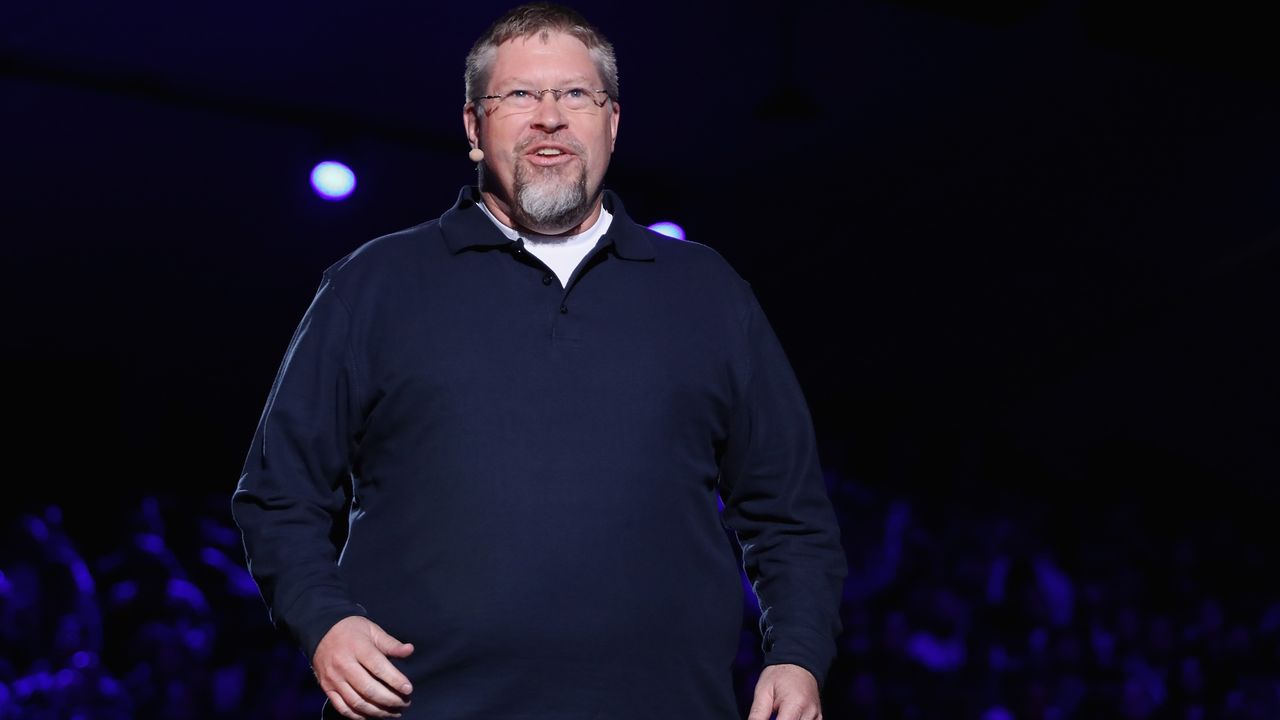
Matt Firor, the founder of ZoS and director of the ill-fated MMO, recently sat down with MinnMax to discuss the project's end. Reflecting on the cancellation, Firor didn't hold back on the lost potential: "I think it's a missed opportunity for me, for ZoS, for Bethesda, for Xbox, I think it would've been a fantastic game."
The internal reputation of Project Blackbird was remarkably high. Reports even suggested that Xbox head Phil Spencer had to be pulled away from other duties to focus on the title. However, Firor noted that even at the highest levels, corporate decisions can override creative passion: "You could be at the best studio in the world, and decisions happen that impact people."
Corporate Logic: "Microsoft is Microsoft"
The cancellation of Project Blackbird highlights the harsh reality of managing large-scale gaming divisions. Firor explained that while the team attempted to build for the future by frontloading costs to simplify long-term maintenance, this strategy was viewed as too much of a gamble by shareholders.
"We're a number on a ledger, and if that number is large, it is ripe for analysis," Firor remarked. He highlighted the pressure on public companies to provide predictable, upwardly trending revenue:
- Shareholders require forecastable business models.
- High upfront costs are often viewed as risky "large bets."
- The need to hedge against large expenditures can stifle long-term development goals.
Despite the fallout, Firor maintained a professional stance toward his former colleagues at Xbox, famously stating: "Big business is big business. Microsoft is Microsoft, right? And a giant successful videogame on the Microsoft level was frankly not that stimulating to them."
While the current state of the industry can feel volatile—where developers feel they could be laid off for simply "breathing"—Firor remains optimistic about the talent pool. He concluded by noting that the sheer volume of skilled professionals currently without roles means that new, high-quality teams can still be assembled: "There's a hell of a lot of good people out there that don't have jobs right now, that can assemble very many very good teams, and I know that for a fact."