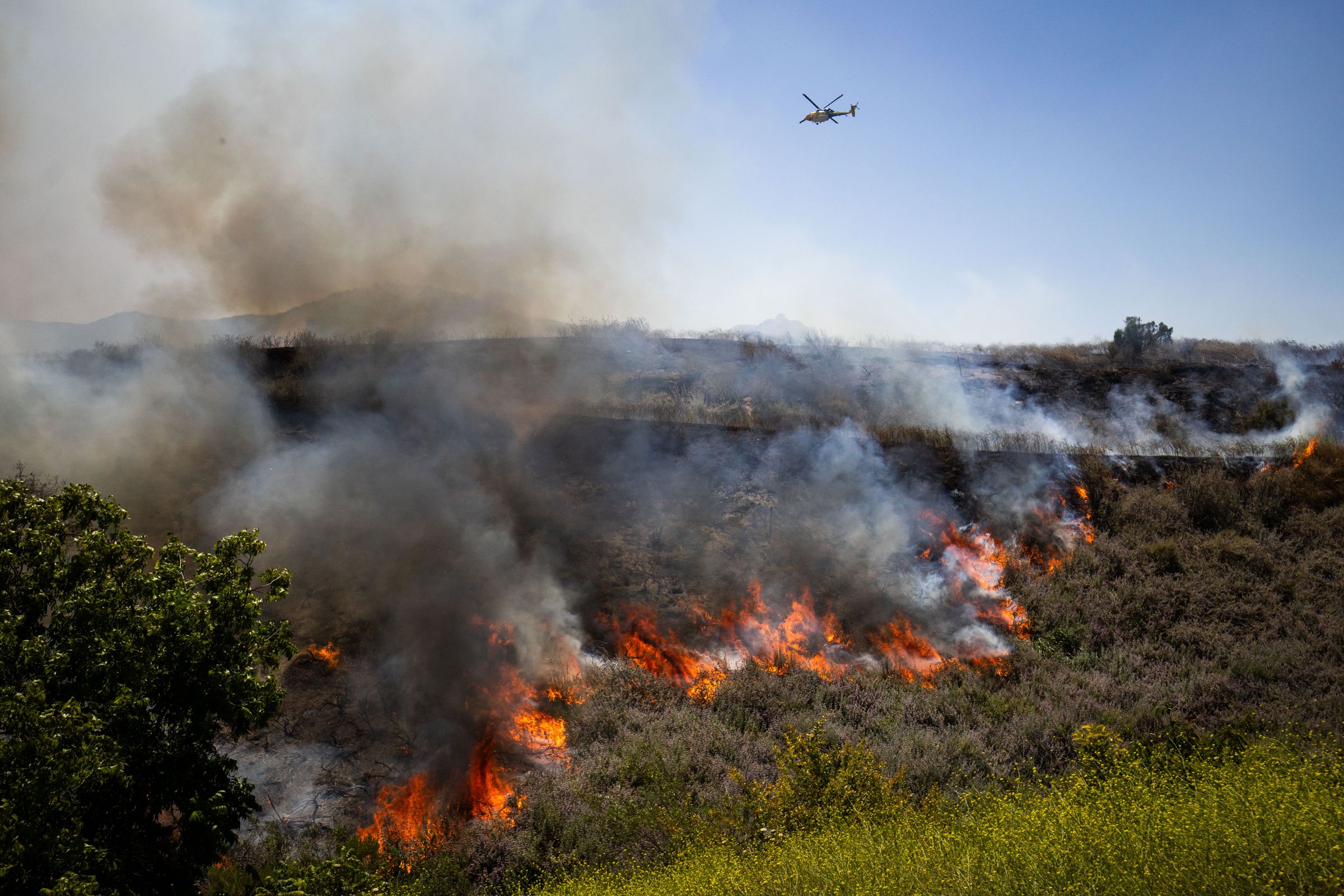
The premature intensity of California's wildfire season serves as a grim harbinger for a summer defined by volatility. While May typically represents the calm before the storm, the state is already grappling with significant blazes that suggest the traditional seasonal timeline has been fundamentally disrupted.
This early surge in activity is not merely an anomaly but a direct consequence of a winter characterized by extreme heat and a catastrophic lack of snowpack. As the landscape dries out ahead of schedule, the risks to both human infrastructure and delicate ecosystems continue to escalate.
Ecological Stakes and Localized Devastation
The current pattern of fire activity reveals a dangerous intersection between human error and environmental fragility. A primary example is the Santa Rosa Island Fire, ignited by a stranded sailor's flares in Channel Islands National Park. This blaze has already consumed approximately 16,600 acres—nearly a third of the island’s total landmass.
The fire poses an existential threat to one of the world's most unique botanical treasures: the Torrey pine grove. Classified as critically endangered by the International Union for Conservation of Nature, these trees are among the rarest on the planet. While federal fire information officers suggest the main stand remains intact for now, the long-term ecological impact is deeply uncertain.
Beyond the islands, several mainland fires are driving the current surge in California's wildfire season:
- The Sandy Fire: Located near Simi Valley, high winds have pushed flames across 1,400 acres, forcing thousands of evacuations.
- The River Fire: Burning over 3,500 acres in Kern County, this blaze remains only partially contained.
- Statewide Impact: Total acreage burned has already reached nearly 41,000 acres, far exceeding the five-year average of 23,380 for this period.
The Mechanics of a Parched Landscape
The driving force behind this volatility is a profound lack of moisture across the Western United States. Record-breaking temperatures have effectively obliterated the spring snowpack, leaving the terrain primed for rapid combustion. In the Sierra Nevada mountains, current measurements show only 9 percent of the usual snowpack remains, signaling extreme vulnerability for the months ahead.
This trend reflects a broader, long-term climatic shift. Data indicates that the April 1 snowpack—a critical metric for assessing seasonal water security and fuel moisture—has declined by roughly 18 percent since 1955 across the West. As the climate warms, the window between snowmelt and summer heat shrinks, creating a "tinderbox effect" where vegetation dries out much earlier than historically observed.
When moisture levels are this low, fires can transition from manageable ground blazes to aggressive crown fires with startling speed. The intersection of high winds and extreme heat creates a feedback loop that makes containment difficult for even the most well-resourced agencies.
A Forecast of Increasing Volatility
Current data suggests California is not just experiencing an early season, but a fundamentally altered one. Traditional seasonal models for emergency preparedness may no longer be sufficient when the "peak" period begins in late spring rather than mid-summer.
As we move deeper into the year, several critical factors will dictate the severity of California's wildfire season:
- Fuel moisture levels in mountain basins and coastal shrublands.
- The frequency of extreme wind events that drive rapid fire spread.
- Continued atmospheric heating that prevents overnight vegetation recovery.
The early acreage burned this year is a warning shot. If the current trajectory holds, the state must prepare for a reality where the distinction between "early" and "peak" fire periods disappears entirely, leaving infrastructure and endangered ecosystems in a constant state of defense.