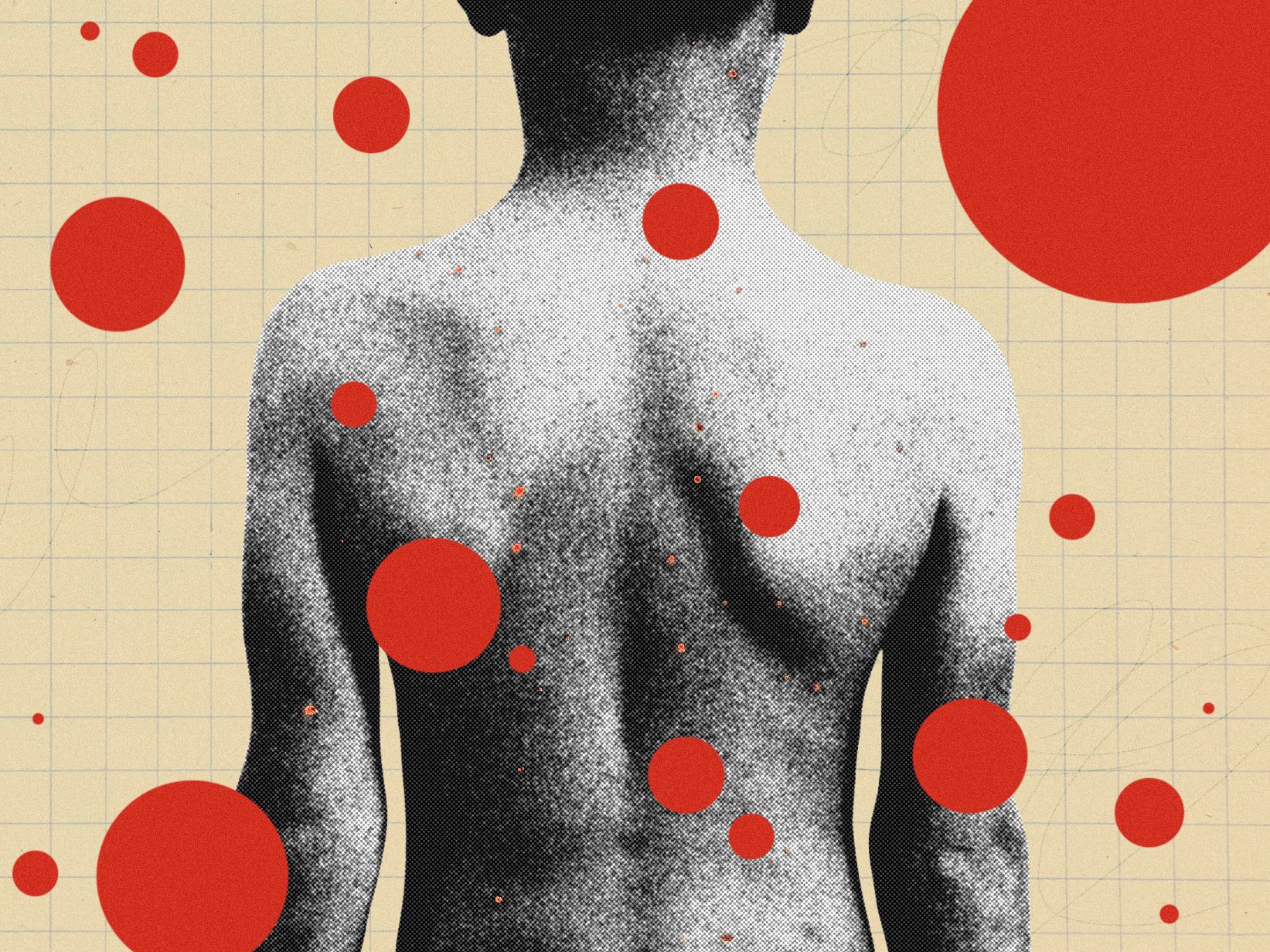
Sticky, red blisters bloom across itchy patches of skin, accompanied by a low-grade fever and the relentless urge to scratch. For many who grew up in the late 20th century, this physical discomfort was not just a random ailment but a social milestone. Families would gather children in living rooms or playgrounds, intentionally facilitating exposure to ensure they contracted the illness during childhood rather than adulthood. This ritualistic approach to infection, often referred to as chickenpox parties, highlights a fascinating era of public health history where communal risk-taking was seen as a pragmatic necessity.
The Historical Logic of Chickenpox Parties
Before the widespread implementation of the varicella vaccine, catching chickenpox felt less like an accidental illness and more like a scheduled rite of passage. Parents often operated under the belief that experiencing the virus early in life was the safest way to build lifelong immunity. This mindset fostered a unique social phenomenon where contagion was managed through intentional, group-based exposure. The logic was simple: if the disease was inevitable, it should be handled collectively while children were young and resilient.
This cultural momentum created a landscape where community consensus often outweighed formal medical guidance. Families sought to shepherd their offspring through the illness at an age deemed optimal for minimizing severe complications. However, this reliance on social tradition ignored the unpredictable nature of viral transmission. While most children recovered without issue, the practice of intentional infection carried inherent biological risks that modern medicine has since sought to mitigate.
Scientific Realities vs. Social Mythology
The science behind the varicella-zoster virus tells a much more complex story than the "natural immunity" narrative suggests. While many view chickenpox as a mild childhood inconvenience, medical professionals recognize several significant dangers associated with the infection. The primary flaw in the logic of intentional exposure is that it fails to account for individual biological variations and the potential for severe secondary complications.
The risks associated with the virus are not uniform across all age groups or health profiles. To understand why the party model was fundamentally flawed, one must consider these clinical realities:
- Adult Complications: Adolescents and adults who contract the virus face much higher risks of pneumonia and encephalitis.
- Neurological Impact: The virus can remain dormant in nerve ganglia, eventually reactivating later in life as painful shingles.
- Secondary Infections: Skin lesions can lead to bacterial infections like cellulitis if not managed carefully.
- Vulnerable Populations: Intentional exposure increases the risk for pregnant women and immunocompromised individuals nearby.
By prioritizing social convenience over clinical prevention, these gatherings ignored the statistical likelihood of severe outcomes. Modern vaccination has moved the goalposts from "managing" a disease to effectively preventing its onset entirely.
The Modern Challenge of Vaccine Skepticism
The decline of intentional infection rituals correlates directly with the success of global immunization programs. However, as infectious diseases become less visible in daily life, a new form of skepticism has begun to emerge. The concept of natural immunity is frequently weaponized in digital spaces, pitting outdated social practices against contemporary immunological science. This resurgence of misinformation threatens to undo the progress made by decades of public health initiatives.
As digital connectivity amplifies fringe theories, the distinction between historical necessity and modern choice becomes blurred. The retreat into vaccine hesitancy creates a dangerous feedback loop where declining immunity leads to more frequent outbreaks. We are currently witnessing a shift from a society that managed contagion through social ritual to one that must now defend its scientific foundations against cultural nostalgia.
Moving forward, the verdict is clear: while the "chickenpox party" was a product of its time, it represents a reactive rather than proactive approach to health. The transition from communal infection to targeted vaccination has saved countless lives and reduced the global burden of disease. Sustaining these gains will require navigating a landscape where misinformation evolves as quickly as the viruses themselves.