Cognition’s Scott Wu Says AI Coding Agents Shouldn’t Replace Humans
The evolution of software development has been one of the most transformative arcs in the history of technology, shifting from hand-coded lines of assembly to high-level languages, and now to AI-assisted coding. As of 2026, the industry stands at a crossroads, with AI agents like Cognition’s Devin capable of writing, testing, and deploying software with minimal human intervention. This moment is pivotal not just for its technical implications, but for the broader question it raises: how will these tools reshape the role of humans in programming, and should they be allowed to take over?
AI Agents Are Redefining the Role of Developers
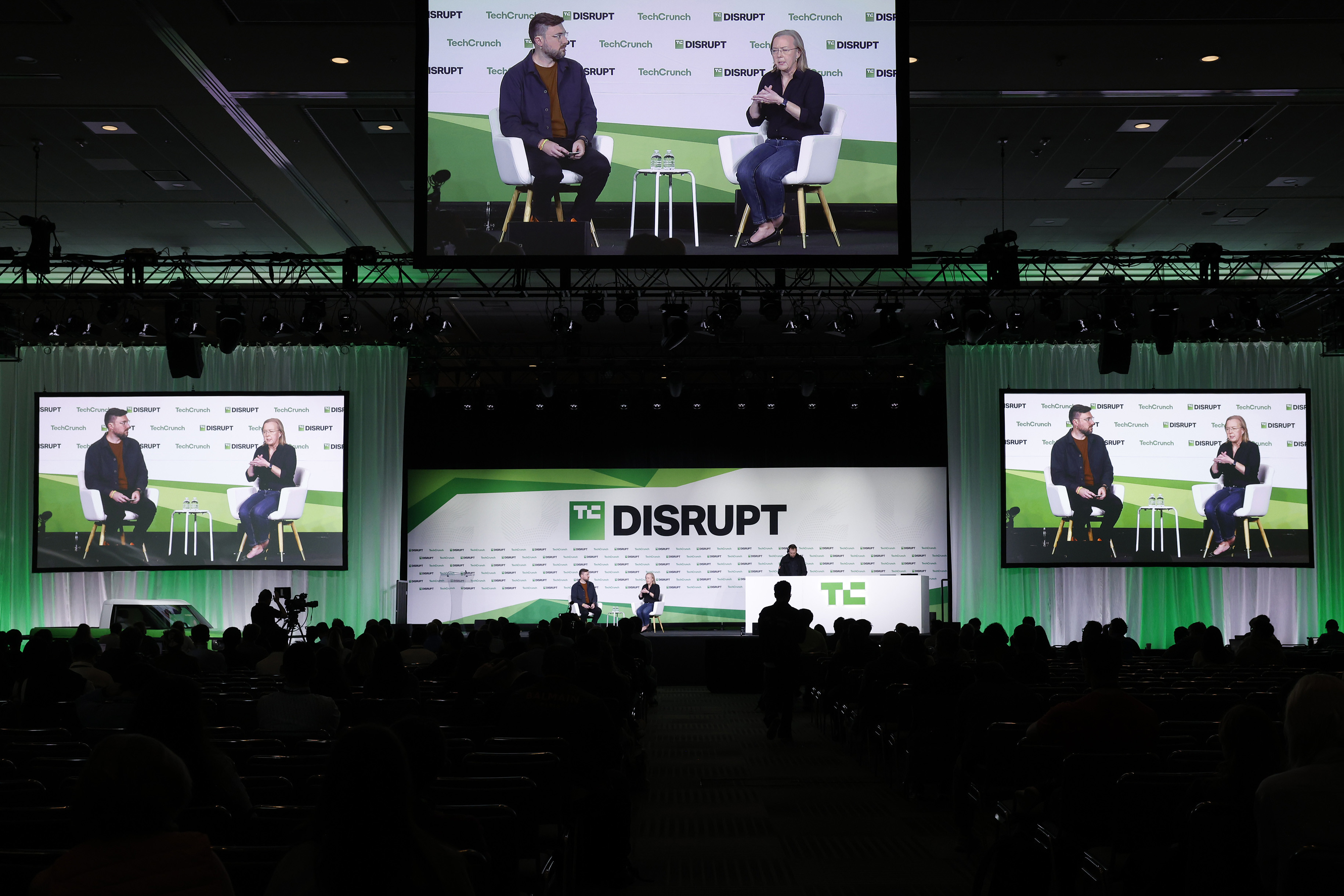
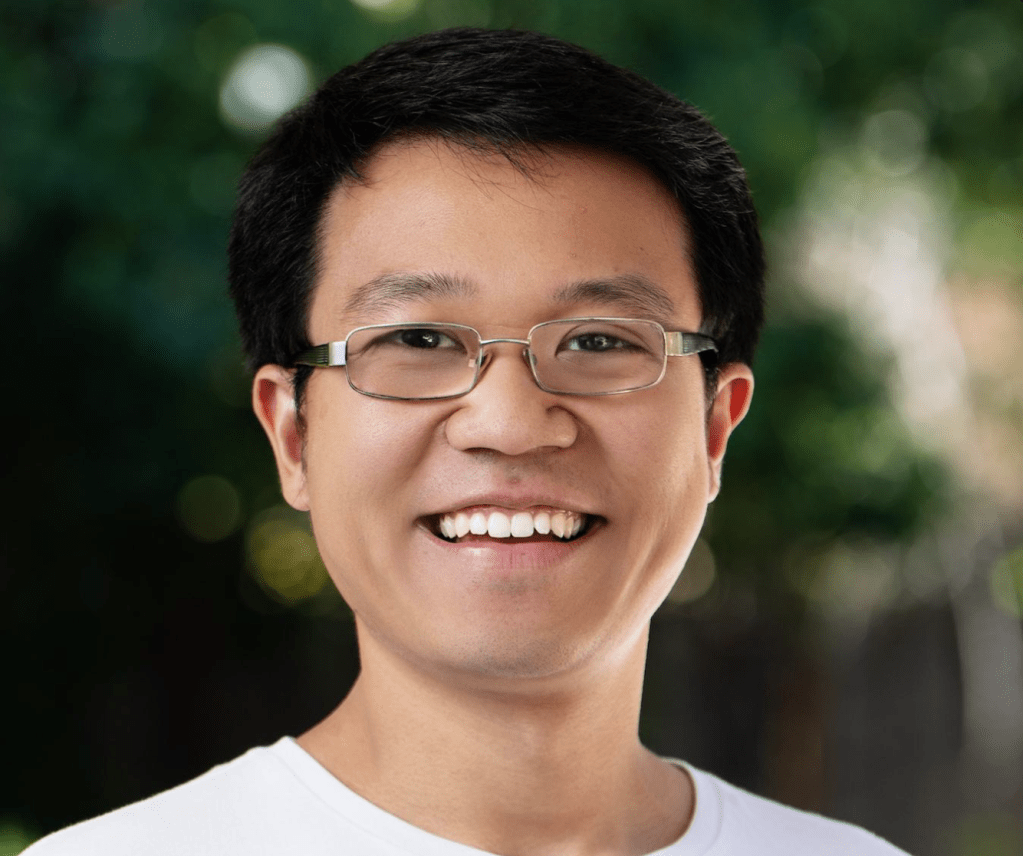
Scott Wu, CEO of Cognition, has been at the forefront of this shift. His company’s AI coding agent, Devin, has demonstrated the ability to handle complex tasks autonomously, from building web applications to debugging code. Yet, despite the impressive capabilities, Wu has consistently emphasized that the goal is not to replace human coders, but to augment their abilities. In a recent interview with TechCrunch, he clarified that Cognition’s vision is about collaboration, not competition.
Wu’s perspective is rooted in his own background. A second-grader who won a math competition meant for seventh-graders, he grew up surrounded by the logic and creativity of programming. His journey has always been about pushing the boundaries of what software can do, not about eliminating the human element. That ethos has carried through to Cognition, where the AI agent is more of a co-pilot than a replacement.
The Human Element Remains Central
The debate over AI’s role in the workforce has been especially heated in 2026, as countless companies have announced layoffs in the name of automation. Yet Wu remains resolute in his belief that AI should enhance, not eliminate, human expertise. “We are all programmers ourselves,” he said, emphasizing that the team at Cognition includes many who once worked as coders.
Devin, the company’s flagship AI, is already responsible for a staggering 89% of the code committed by Cognition’s engineers. However, this does not mean humans are sidelined. Instead, the AI handles the repetitive, laborious tasks — such as updating legacy systems or migrating applications across platforms — freeing developers to focus on creative problem-solving and innovation.
Wu’s vision of a “self-driving software development” future is not one where humans are replaced but one where they are empowered. He sees AI agents as tools that allow programmers to move beyond maintenance and into the realm of design and discovery. “It’s not about replacing people,” he said. “It’s about letting them focus on the parts of their job that matter most.”
The Road Ahead: Augmentation, Not Automation
The implications of Wu’s stance extend far beyond software development. As AI agents become more capable, they will likely enter other professions, from healthcare to finance. But the question remains: will they replace humans, or will they serve as tools for enhancement?
Cognition is already testing this model in other areas, with AI agents handling customer service tasks and even assisting in medical diagnostics. Wu sees no reason why the same logic shouldn’t apply to other fields, but he insists that the human-in-the-loop principle must remain intact.
The future of AI in the workplace, according to Wu, will not be defined by whether machines can do the work, but by whether they can do it in a way that supports human ingenuity. “We’re in for a wild ride,” he said. “But I believe the best outcomes will come when we use AI not to replace people, but to help them build more.”
As the industry moves toward an era of AI-assisted creation, the voices of leaders like Scott Wu will be crucial in shaping the direction of the conversation. The tools are here, and their potential is vast — but the question of how they are used, and who benefits, remains as vital as ever.