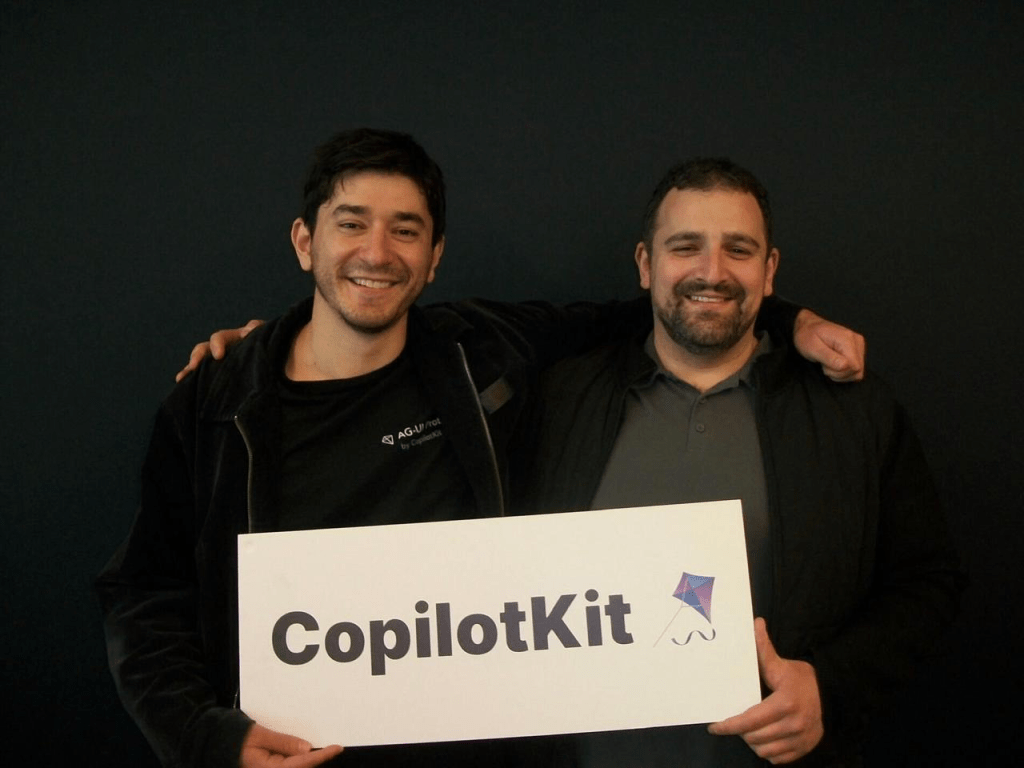
The distinction between traditional software and intelligent assistance is blurring. Imagine a user tapping an app button and receiving a response that isn't just static text, but an interactive, real-time updating chart. This evolution marks a fundamental shift in application architecture, and CopilotKit’s recent $27 million Series A funding round underscores the massive potential of this transition.
Moving Beyond Static Chatbots to App-Native AI Agents
Traditional AI integrations typically rely on text-based prompts that require manual parsing or tedious multi-step interactions. CopilotKit is challenging this paradigm by allowing AI agents to interpret UI elements directly, execute specific actions, and render dynamic interfaces tailored to unique business logic.
The core of this technology lies in the company’s AG-UI protocol. This protocol acts as the essential connective tissue between AI agents and application front-ends, facilitating several critical functions:
- Streaming conversations for seamless user interaction.
- Tool invocation to trigger complex backend processes.
- State synchronization across various platforms and interfaces.
Enterprise Adoption of CopilotKit Technology
The AG-UI protocol has already gained significant market traction, boasting millions of weekly installs. Major industry leaders have already adopted the toolkit, including:
- Deutsche Telekom
- Docusign
- Cisco
- S&P Global
By supporting open standards like Model Context Protocol (MCP) and Agent2Agent (A2A), CopilotKit positions itself at the intersection of flexibility and interoperability. Furthermore, the launch of CopilotKit Enterprise Intelligence provides organizations with much-needed self-hosting capabilities and optionality, a key differentiator from vertically integrated competitors that lock users into proprietary stacks.
Technical Flexibility and Developer Empowerment
For developers looking to deploy app-native AI agents, the toolkit offers granular control over UI behavior. Engineering teams can enforce pixel-perfect fidelity or utilize modular components for AI-driven assembly. This level of adaptability is crucial for modern design principles where custom branding and interactive feedback loops drive user engagement.
The architecture provides standardized interfaces to access backend services while ensuring developers can integrate diverse cloud providers without facing vendor lock-in.
The Competitive Landscape for AI Agent Deployment
While several players exist in the space, many current solutions are limited in scope. For instance, Vercel’s SDK, Assistant-ui’s widget library, and OpenAI’s Apps SDK represent partial solutions that often confine deployment within specific ecosystems.
In contrast, CopilotKit’s horizontal architecture ensures compatibility across existing, heterogeneous infrastructures. This reduces friction for large enterprises already invested in complex, diverse tech stacks.
Future Outlook: Scaling Intelligent Interfaces
With new funding secured from Glilot Capital, NFX, and SignalFire, the startup is prepared to accelerate engineering efforts and expand its support channels. As AI agents evolve from simple automation tools into complex orchestration roles, CopilotKit’s focus on openness and extensibility positions it to become the industry-standard layer for cross-platform deployment.
The influx of capital validates a clear market trend: the next wave of applications will prioritize context-driven intelligence over static content delivery. As developers move toward dynamic UIs, the boundary between product and process will continue to dissolve, ushering in a new era of adaptive software engineering.