Cosmic Void Structure
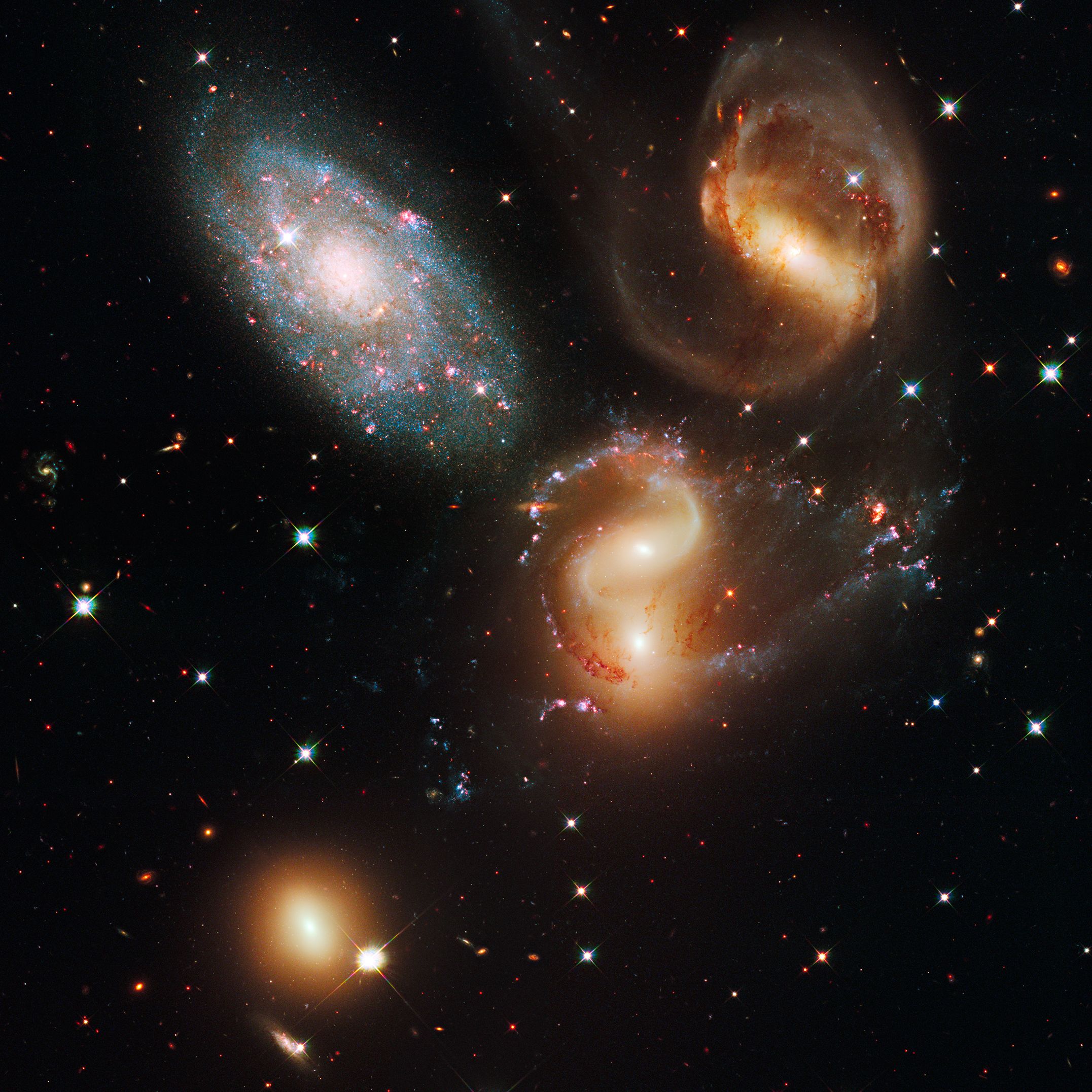
Cosmic voids are the universe’s deepest mysteries that defy the notion of emptiness, revealing where the universe’s best secrets may lie within these vast, nearly invisible expanses. Cosmic voids form when matter clumps into a cosmic web, leaving under‑dense regions called voids. The Boötes Void alone stretches beyond 300 million light years, making it one of the largest known cosmic voids.
- Subvoids: tiny gaps between galaxy clusters spanning just 10 or 20 million light years
- Large voids: expansive under‑dense areas with fewer than the thousands expected for their size
Voids as Cosmic Laboratories
The relative simplicity of cosmic voids makes them ideal for testing modified theories of gravity and probing dark energy. In these sparsely populated regions, dark matter halos remain faintly detectable while neutrino signals are amplified by a high signal‑to‑noise ratio. Observing the pristine motion of objects in empty space tests general relativity’s limits.
Future surveys such as DESI and Euclid will map thousands of cosmic voids, refining cosmological models and potentially resolving the Hubble tension that has puzzled scientists for decades. The next decade may confirm whether our galaxy resides within a gargantuan supervoid, sharpening our understanding of gravity, dark energy, and spacetime.