Understanding One Move Away
One Move Away is a great cosy packing game, even if it had me rage‑flinging boxes into the back of a truck. The title captures both its charming precision and its occasional chaos. The game starts in 1973 with a baby protagonist learning to stack blocks and sort containers—ordinary tasks that feel surprisingly profound. One Move Away teaches you how exact placement and a firm nudge can create order, a lesson that carries over into later life events.
The Baby Tutorial (1973)
The tutorial is set in 1973, where the player controls a baby arranging blocks and containers with meticulous care. This early segment introduces the core mechanic: precise rotation and stacking to achieve tidy results. It also imparts that even small nudges can solve larger problems.
Why Chaotic Packing Feels Satisfying
The Moving Truck Crisis
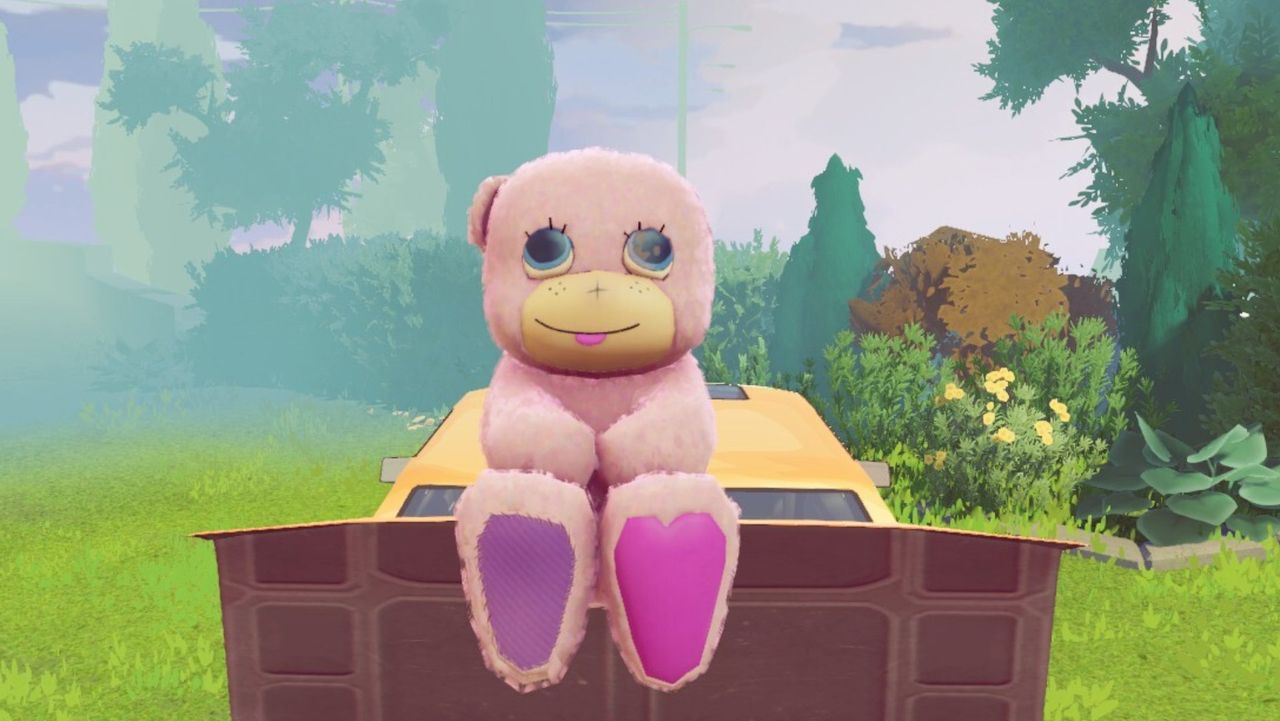
Life in One Move Away is relatable. After moving out of a first apartment, you must cram every possession into a tiny trailer or truck. One Move Away delivers the stress of limited space while rewarding each neatly packed item with quiet satisfaction. There’s a moment when everything looks perfect—until reality hits: you must still fit small boxes and lamps into cramped compartments.
It ain’t much but it’s honest work.
The Emotional Payoff
When you finally step back and admire the diligent, precise stack, the tension releases. One Move Away captures both the cosy satisfaction of order and the underlying frustration that moving is never fully tidy. Plus, you don’t have to unpack any mess—so the dubious nature of a slightly lopsided pile isn’t your problem.
Key features:
- Precise item placement demands focus
- Stressful packing process adds tension
- Nostalgic 1973 tutorial vibe
The game’s blend of One Move Away’s meticulous design and its occasional chaos makes it a standout title in the cosy packing genre.