A Cat Dad Simulator Disguised as an Action Epic
The modern open-world genre has increasingly fractured into a binary choice: either deliver a hyper-serious simulation of survival or lean entirely into the absurdity of a sandbox where the primary objective becomes the accumulation of cute things. Enter Crimson Desert, a stunning anomaly that seemingly straddles this divide. While Pearl Abyss markets the title as a high-fidelity epic where players guide Kliff to save a world from dark forces, the most persistent and rewarding loop for many is not defeating the final boss, but rather embracing its identity as one of the best cat dad simulators ever produced.
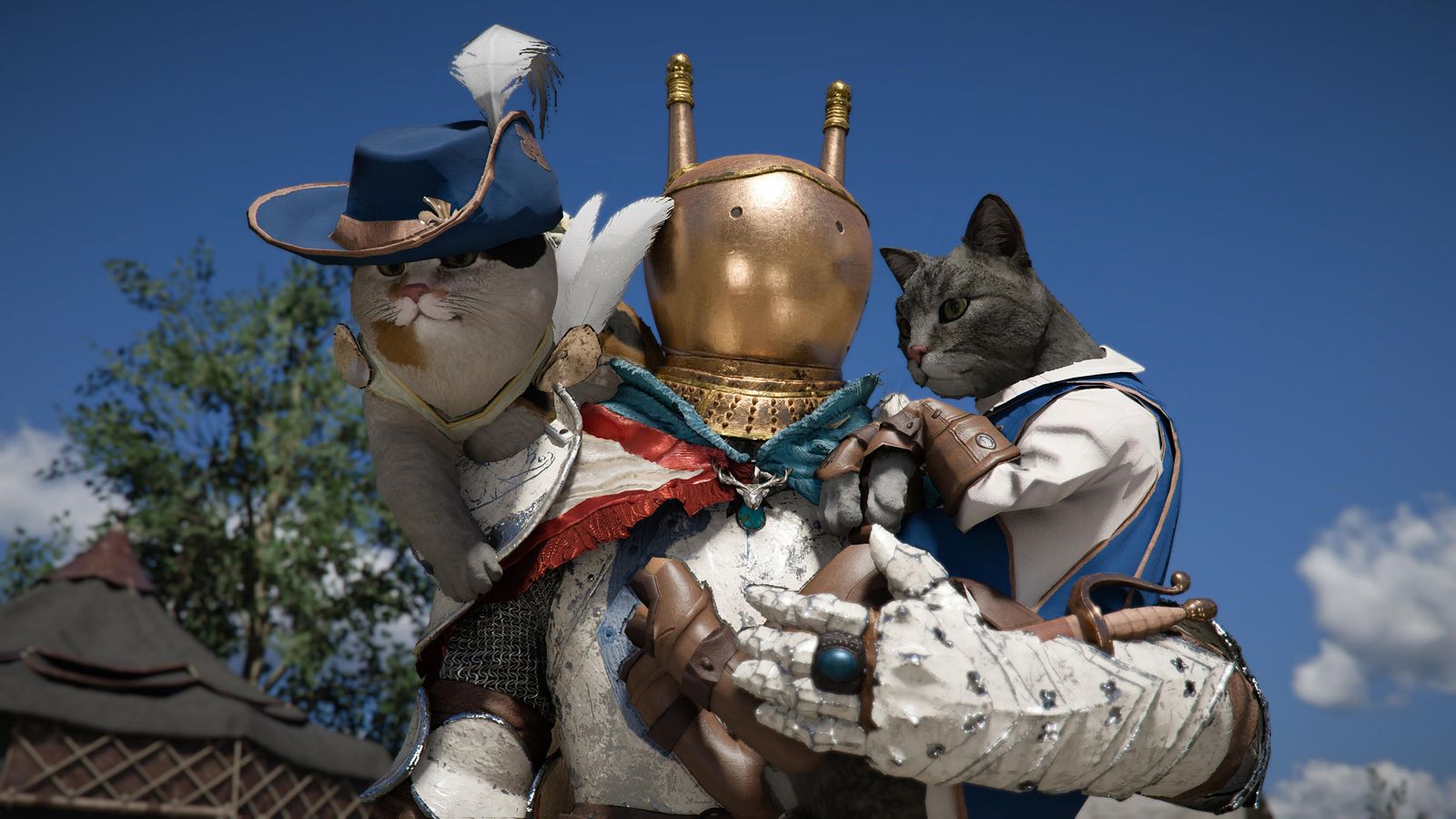
Players are quietly tasked with chasing down "loafy cats," naming them after culinary staples like Potato, and dressing them in hats with feathers that poke out at jaunty angles. This unexpected dedication to feline care transforms a potential action-RPG into a heartwarming, albeit chaotic, adoption drive where the true victory lies in building a personal sanctuary of friends.
The Deceptive Allure of Feline Companionship
The core gameplay loop of Crimson Desert is deceptive; it presents a towering narrative about saving the downtrodden, yet the player's attention is frequently hijacked by the mechanics of pet acquisition and care. Once players unlock the ability to interact with the local feline population, the game shifts gears from an epic quest into a frantic adoption drive. The mechanics are deceptively simple: pick up a kitten, engage in a rhythm of petting that mimics real-world affection, and feed it giant hunks of bird meat to build trust.
This system rewards patience and observation, turning every village corner into a potential hunting ground for the perfect companion. However, this focus on companion care often overshadows the main plot's urgency. Players will find themselves shoulder-checking NPCs who shout profanities in frustration just to secure a calico cat for their camp. The act of giving a pet a hat is not merely cosmetic; it signals a level of investment that transforms a generic monster into a named character with panache.
With the ability to adopt up to thirty pets, the game allows for a "catmaxxing" strategy that can border on obsessive:
- The Adoption Loop: Players must actively chase down cats like the portly "loafy cat," often resulting in chaotic chases through open doors and accidental collisions with non-player characters.
- Bonding Mechanics: Trust is built through a specific rhythm of petting and feeding large chunks of meat, requiring players to pause combat or exploration to nurture their new friends.
- Camp Integration: Adopted pets can be brought back to the player's base, where they roam freely, adding a layer of domestic life to the otherwise wild open world.
Combat, Traversal, and the Weight of a Good Boy
Despite the overwhelming focus on feline companionship, Crimson Desert does not abandon its roots as a hardcore action game. Kliff is designed as a "big ol' badass," capable of annihilating enemies with crunchy combat moves involving body slams, trick shots, and a variety of weapons. The combat system borrows DNA from titles like Dragon's Dogma and Assassin's Creed, delivering visceral satisfaction that feels distinct from the more formulaic entries in the genre.
However, there is a delightful cognitive dissonance when playing: Kliff can be a marble slab of a man capable of destroying armies, yet he is often seen wandering through forests with a snail-like mask equipped and a cat perched on his shoulder. The traversal system further enhances this duality of power and playfulness. Players can gallop across vast landscapes, utilize nature magic for quadruple jumps up mountains, or glide through the air with surprising grace.
The game features what many consider the best horse in gaming, capable of Tokyo-drifting around corners and performing power slides that defy physics. Yet, even these high-octane moments serve as a backdrop to the quieter experiences; after a chaotic battle involving flying stabs and clotheslines, the player can simply walk through the forest, watching wind swirl leaves while a cat softly meows on their shoulder. The game's design philosophy seems to embrace this chaos, feeling like 16 different games genetically engineered into one superbaby.
A Flawed Masterpiece with a Promising Future
Crimson Desert is undeniably a game that requires patience, having launched with a rough start characterized by bugs and an obtuse user interface that nearly drove players away before the credits rolled on day one. However, Pearl Abyss has demonstrated a commendable commitment to community feedback, releasing a steady stream of patches to address these early design decisions. While some quirks remain—such as the inability to name pets directly in-game, which stands as a criminal oversight—the game has evolved into a living sandbox that rewards long-term engagement.
The future of Crimson Desert remains uncertain but promising. Pearl Abyss has hinted at multiplayer integration, a move that could sand off some of the weirder, interesting edges of the single-player experience. Yet, for now, the game stands as a testament to the power of player choice and the unexpected depths of companion AI. It captures the sense of wonder experienced by children discovering new worlds, blending the silliness of dressing up cats with the grandeur of an epic fantasy. As the game settles into its late-game rhythm, it proves that sometimes the most meaningful journey is not saving the world, but ensuring every stray cat finds a home and a name.