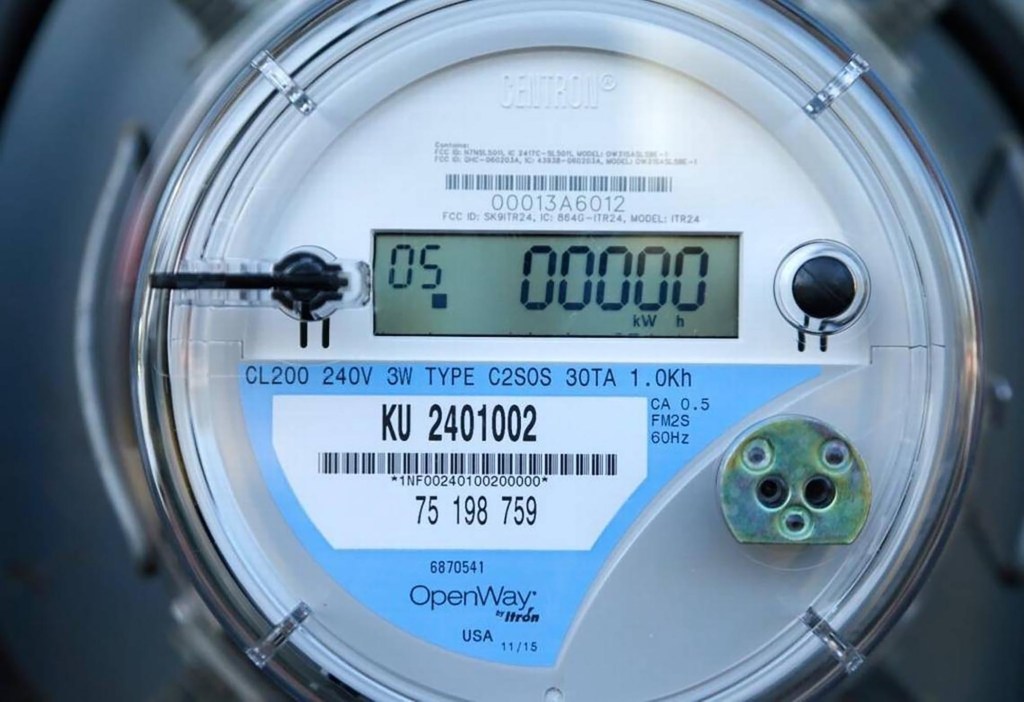
A smart meter on a suburban home silently transmits electricity usage data to a distant server—a digital pulse essential to modern urban life. However, this connectivity also creates an expanded attack surface for those looking to disrupt civilization. This vulnerability was recently highlighted by the news of an Itron hack, as the American energy technology giant confirmed its systems were compromised.
In a mandatory filing with the U.S. Securities and Exchange Commission (SEC) late last Friday, Liberty Lake, Washington-based Itron revealed it suffered a cyberattack in mid-April. While the company stated that it has since expelled the intruders, the breach underscores the persistent threat facing global utility management. Currently, there are no signs of ongoing unauthorized access to its internal systems.
Navigating the Details of the Itron Hack
The specifics regarding this Itron hack remain frustratingly opaque. The company has not yet disclosed whether the incident involved ransomware or a targeted attempt at data exfiltration. Furthermore, there is no word on whether hackers made direct contact with officials to demand payment, leaving many to wonder about the ultimate motive behind the breach.
Corporate IT vs. Operational Technology
Despite the lack of clarity regarding the attacker's identity, some boundaries of the damage have been established. Itron indicated that it did not identify unauthorized activity within the "customer-hosted portion" of its systems. This suggests the penetration was likely confined to the corporate IT network rather than the operational technology (OT) that manages the physical grid.
Key details regarding the incident include:
- Unauthorized access was detected and subsequently neutralized by Itron security teams.
- The company has officially notified law enforcement agencies of the breach.
- Contingency plans and data backups were activated to ensure operational continuity.
- There is a possibility of further legal or regulatory filings if investigations reveal a significant data breach.
The Growing Threat to Critical Infrastructure
The implications of an Itron hack cannot be overstated. As a leader in energy technology, the company provides essential infrastructure for managing electricity, gas, and water across more than 100 countries. Their internet-connected meters serve as the primary interface for over 110 million homes and businesses worldwide.
The industry is currently facing intense scrutiny regarding the security of smart grids. As utilities become increasingly reliant on interconnected sensors and remote management tools, the distinction between a corporate network breach and a physical utility disruption becomes blurred.
While Itron maintains that its operations have continued in all material respects, the potential for secondary legal notifications under state data breach laws suggests the full fallout may not be known for some time. Moving forward, the focus for infrastructure giants cannot merely be on reactive expulsion of intruders, but on the fundamental hardening of the networks that govern our most basic necessities.