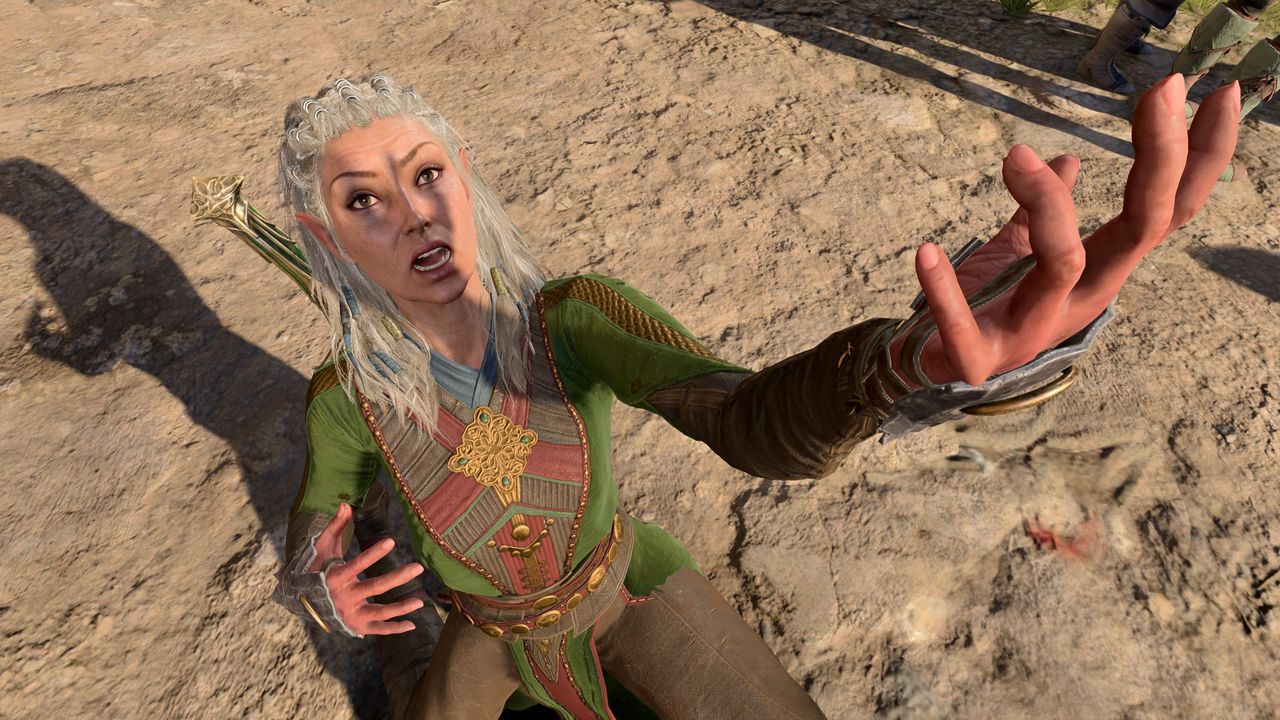
It has been six years since I engaged in a spirited debate with former features producer Andy Kelly regarding the combat design of Baldur's Gate 3. Back then, Kelly argued that Larian Studios should have stuck with real-time-with-pause, while I championed the shift to turn-based battles. Now that turn-based systems have become increasingly dominant in the modern CRPG landscape, it is time to revisit that discussion and evaluate which system truly serves the genre better.
The Superiority of Turn-Based Tactics
The core advantage of turn-based combat lies in its ability to transform a CRPG's fights into intricate puzzles rather than chaotic brawls. While real-time-with-pause attempts to simulate a tabletop game where everything plays out simultaneously, the result is often a messy scrum that lacks precision. A turn-based system allows the game engine to handle complex rules efficiently, making engagements faster and significantly less cluttered.
When developers utilize a turn-based approach, they can craft meticulously set-up challenges that account for battlefield geography and environmental quirks. This level of tactical depth is rarely feasible in the chaos of real-time-with-pause, where skirmishes often feel like throwaway brawls. The distinction offers several key benefits for strategic gameplay:
- Environmental Interaction: Turn-based systems allow players to manipulate terrain and hazards with deliberate precision.
- Tactical Clarity: Players can fully analyze enemy positioning and plan their next moves without the pressure of a ticking clock.
- Meticulous Combat Design: Developers can build distinct, noteworthy challenges that function like complex puzzles.
Industry Shifts and Developer Preferences
The industry appears to be leaning heavily in favor of turn-based mechanics, with many highly praised RPGs finding success through this model. While adjacent systems like spells and character progression often receive accolades in real-time-with-pause games, the combat itself is rarely held up as a benchmark for brilliance.
This shift is evident in the evolving preferences of prominent developers. Josh Sawyer of Obsidian noted that while he personally preferred turn-based combat, he retained real-time-with-pause in Pillars of Eternity largely due to player expectations and nostalgia for the classic Infinity Engine formula. However, Obsidian eventually added a turn-based mode to Deadfire, with Sawyer noting that he is "glad that turn-based seems to be winning out" and expressing a desire to work on a purely turn-based project in the future.
Other studios have made even more definitive transitions. Owlcat Games moved from a real-time-with-pause approach in their original Pathfinder RPG to including a turn-based mode in Wrath of the Righteous. Their subsequent titles, Rogue Trader and Dark Heresy, are exclusively turn-based, signaling a clear industry direction.
Beyond Nostalgia and the Final Verdict
When fans defend real-time-with-pause, it is often difficult to ignore the influence of nostalgia. I was once a diehard proponent of the system myself, but experiences like Original Sin, Baldur's Gate 3, and the elegant text-based battles of Esoteric Ebb have shifted my perspective. The controlled chaos of turn-based combat offers a level of engagement that the pause mechanic simply cannot match.
While there is certainly room for both styles in a diverse industry, the turn-based system provides a superior foundation for tactical role-playing. It allows for faster, cleaner, and more intellectually stimulating encounters, making it the clear winner for modern CRPGs.