The Derelict Star Debate: Blow's Rage vs Game's Reputation
A couple of weeks ago on X, someone reposted Braid and The Witness creator Jonathan Blow into my feed. He was sounding off about a new indie platformer called Derelict Star that has quietly gained an audience among movement platformer enthusiasts since its early April release. Blow was not impressed. “The intro level made me rage quit, unfortunately,” he wrote, before veering into sarcasm.
‘Haha here are a bunch of jumps that are hard in an uninteresting way like every other game, but we are going to give you controls that are clunkier than any other game, and we won’t polish them…’
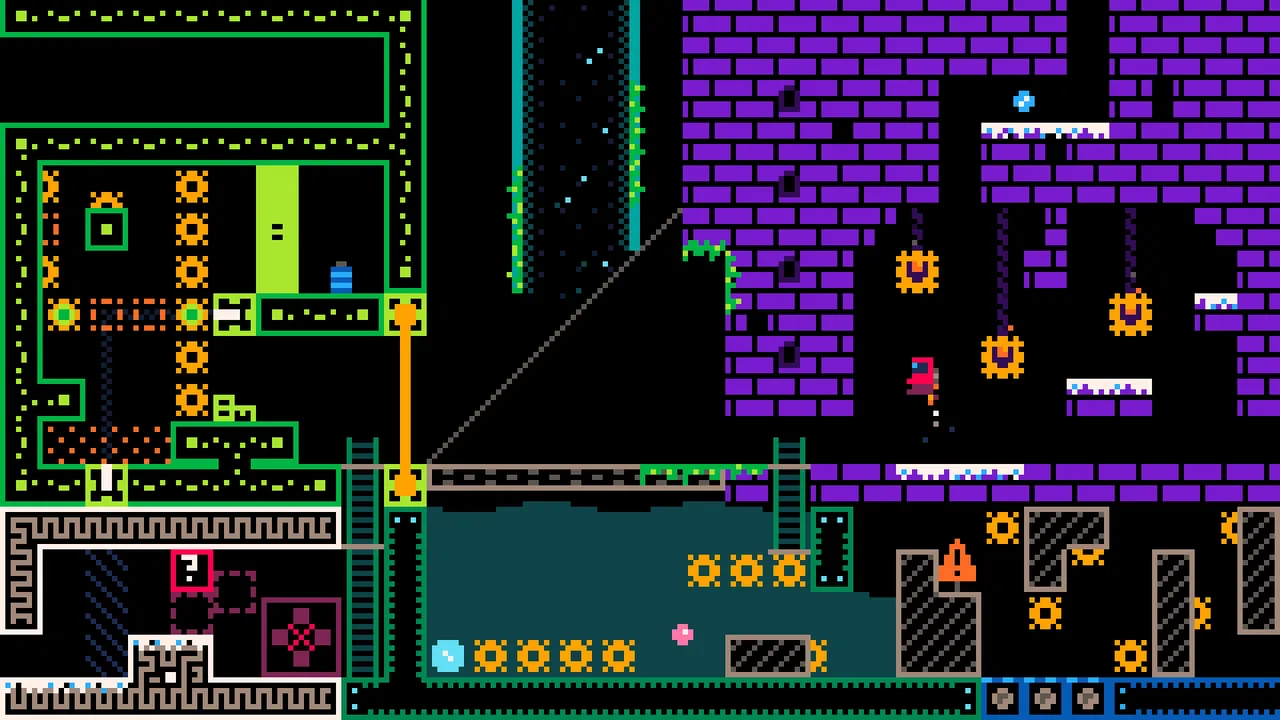
Derelict Star is the most gloriously and pedantically fine‑tuned movement platformer I’ve played in recent memory. It hits the same notes that kept me glued to games like N++ and Baby Steps for months. A bullet list of its standout features:
- Pixel art reminiscent of Pico‑8, crisp enough to see each right angle.
- Movement system built around speed, momentum, and subtle wall bounces.
- P‑Meter evolved from SMB3 into a core puzzle mechanic.
I bought it after a recommendation that tied me back to my love of N++. Six hours in, Jonathan Blow is entitled to his opinion, but he is cosmically wrong about this one. Derelict Star is a gem.
Why Derelict Star Stands Out Among Indie Platformers
The game follows an unnamed astronaut whose spaceship has run out of power en route home. To escape a lonely death they must pillage power cells from an abandoned freighter, creating a metroidvania of around 500 discrete screens. Visuals resemble the imaginary Pico‑8 console; its chunky pixel art sits on a threshold between the Atari 2600 and 8‑bit eras. While it looks gorgeous, the clarity of each pixel’s right angles also feels like a practical consideration in this precision platformer where you need to see them.
Derelict Star is the most gloriously and pedantically fine‑tuned movement platformer I’ve played in recent memory. It hits the same notes that kept me glued to games like N++ and Baby Steps for months. The player‑character only has legs, a jetpack, and a growing understanding of how speed and momentum can help them reach heights or weave through obstacles that initially look impossible.
Derelict Star feels unwieldy and “clunky” for about five minutes. After ten minutes it adopts an expressive fluency. In a way that channels both Rain World and Öoo, after an hour I started to cotton on to finer subtleties of movement through gradual quiet instruction from the game itself, such as the occasional importance of bouncing off walls to gain momentum.
Speaking to PC Gamer over Discord, Derelict Star creator John Williams aka gate said watching Super Mario Maker streamers play kaizo Super Mario World ROM hacks helped him gain an appreciation for the complexity of Mario’s moveset in the SNES classic. “I don’t necessarily mind platformers that control like Mega Man given they’re doing something else interesting, but I do think that stateful, momentum‑focused platforming is under‑served,” Williams said. He also cites N as an inspiration: “The astronaut inherits momentum from platforms and conveyors because it felt important aesthetically for an astronaut to mostly obey physics.”
“I love Derelict Star – maybe sort of like what The Ramones did for pre‑Beatles pop music,” he added, praising the game on Bluesky. It’s a testament to how Derelict Star reimagines classic mechanics with modern flair.