Imagine a single digital gateway where watching Frozen on Disney+ leads seamlessly to booking a Disneyland reservation or browsing a new cruise promotion. This frictionless experience is exactly what Disney leadership is reportedly chasing as they explore the development of a unified Disney super app.
By merging various digital touchpoints into one ecosystem, the company aims to bridge the gap between streaming content and physical experiences.
From Streaming to a Seamless Digital Ecosystem
Disney's leadership is reportedly investigating a strategy that would integrate Disney+ with the Disney Parks app, the Disney Cruise Line Navigator, and other key digital services. The objective is to transform Disney+ into the "primary relationship hub"—the digital heart of the company's global empire.
A successful super app would allow fans to access content, manage memberships, book travel, and discover attractions without ever leaving a single interface. However, building this ecosystem presents several significant hurdles:
- Centralized User Identity: Disney must create a system where one login controls everything from streaming subscriptions and park tickets to cruise itineraries and merchandise orders.
- Data Integration Challenges: Merging digital entertainment with physical travel requires robust data governance to balance hyper-personalization with global privacy regulations.
- Technical Roadblocks: Integrating legacy systems used for park ticketing and cruise bookings will require complex API design and intense cross-departmental coordination.
The Strategic Motivation Behind a Disney Super App
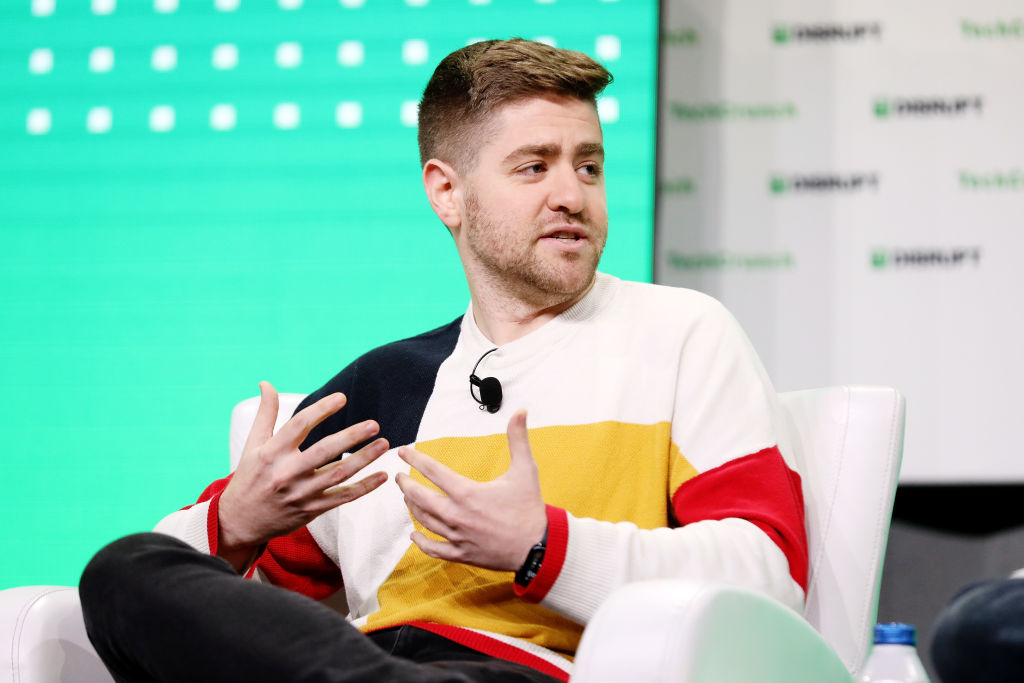
The push toward a Disney super app is driven by a desire to increase fan engagement and drive incremental revenue. Josh D’Amoros has publicly prioritized streamlining the company's ecosystem, aiming to use streaming data to trigger targeted upsells in the physical realm.
For example, a viewer engaging heavily with a Star Wars series might receive curated offers for themed cruise itineraries or special park events. This strategy mirrors how tech giants like Tencent have used super apps to dominate daily digital life, though Disney's approach is uniquely focused on its specific product categories.
Navigating Complex User Journeys
While the vision of a unified platform is compelling, Disney faces the difficult task of managing overlapping audiences. The demographic for streaming services often skews younger, while physical park and cruise experiences may target older, more affluent travelers.
If not managed with extreme care, the integration could lead to:
- Messaging Dilution: Overloading casual viewers with advertisements for cruises or theme parks.
- User Alienation: Creating a cluttered interface that frustrates "cord-cutters" who only want streaming content.
The initiative reflects a broader trend in media convergence but remains unique due to Disney’s massive portfolio of tourism, merchandise, and entertainment. Early discussions suggest a phased rollout, potentially starting with subtle features like shared loyalty points before moving toward deeper functionality.
The Future of Disney's Digital Strategy
The success of this ambitious project depends on whether Disney can overcome technical debt and prove that the investment delivers genuine convenience rather than digital clutter. With tens of millions of global subscribers already using Disney+, the foundation is there, but the execution must be flawless.
As D’Amoros continues to reshape the company's digital strategy, the industry will be watching for pilot features in upcoming quarters. If Disney can successfully marry entertainment with experiential travel, they may set a new standard for how legacy brands transition into the digital-first era.