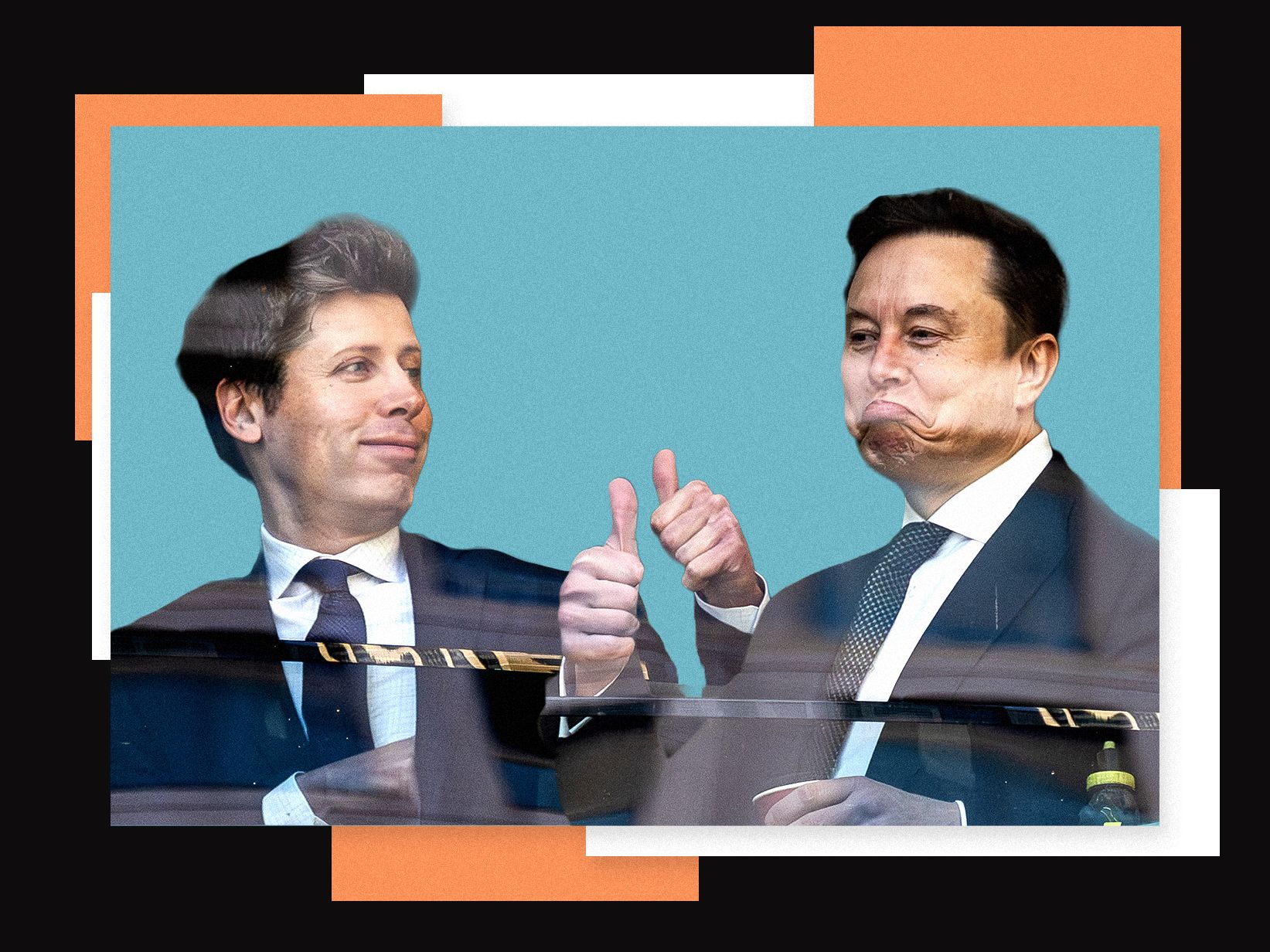
Can a single legal setback redefine the trajectory of an entire industry? The recent verdict in federal court has provided a definitive, if unexpected, answer. In a high-profile ruling, Elon Musk loses landmark lawsuit against OpenAI, effectively dismantling much of his legal challenge against Sam Altman and the company's leadership team.
The decision marks a significant turning point for the artificial intelligence landscape, moving past theoretical debates regarding AI safety and into the pragmatic realities of corporate law. While the trial was expected to dissect whether OpenAI remains a non-profit entity dedicated to humanity or has drifted into a profit-driven enterprise, the legal reality proved far more technical.
The Statute of Limitations as a Deciding Factor
The jury did not spend days debating the philosophical merits of Artificial General Intelligence (AGI) or the ethical responsibilities of tech giants. Instead, the litigation collapsed under the weight of procedural timing. In a unanimous verdict reached in under two hours, the jury found that Musk had waited too long to initiate legal action.
This finding essentially rendered his claims expired. By failing to file suit at the appropriate juncture, the core arguments regarding breach of contract and the deviation from OpenAI's original mandate lost their standing. The court’s focus suggests that even the most ambitious legal theories cannot survive if they are not brought to trial within the prescribed window.
The implications of this procedural defeat are multifaceted:
- It establishes a rigorous precedent for how long stakeholders can wait before challenging corporate pivots.
- It validates OpenAI's current operational structure in the eyes of the law.
- It shifts the industry focus from "mission drift" to "legal timeliness."
- It provides a clear path for the company to move toward traditional business models without immediate litigation.
Removing Obstacles to an IPO
For much of the last year, OpenAI has operated under a cloud of legal uncertainty that many analysts believed would stifle its ability to scale. This lawsuit acted as a massive roadblock, complicating relationships with investors and casting doubt on long-term financial stability. With this verdict, a major hurdle toward a potential Initial Public Offering (IPO) has been cleared.
The removal of the challenge allows OpenAI to refine its commercial strategy with greater autonomy. While the company maintains a complex structure involving a non-profit board overseeing a for-profit subsidiary, the jury's decision suggests that this hybrid model is legally defensible against claims of mission betrayal. This provides much-needed clarity for venture capital firms and institutional investors who have been wary of the friction between Musk and Altman.
The trial served as a public autopsy of the "AI wars." Industry observers noted that the proceedings were often messy, with both sides exposing internal tensions and strategic shifts that had previously remained behind closed doors.
The Future of AI Governance
As the dust settles on this case, the industry must grapple with what comes next. Although Elon Musk loses landmark lawsuit against OpenAI, the tension between open-source ideals and proprietary dominance is only intensifying. This defeat does not mean the debate over AI safety or commercialization is settled; it simply means that, for now, the courts have prioritized corporate continuity over ideological purity.
We are entering an era where the pace of technological innovation is rapidly outstripping the ability of the legal system to categorize it. OpenAI now possesses a powerful mandate to continue its pursuit of AGI, unburdened by this specific litigation. Whether they use this freedom to uphold their original promises or to aggressively capture market share remains the most important question facing the tech sector today.