The Real Stakes: What the Jury Will Decide in Musk vs. Altman
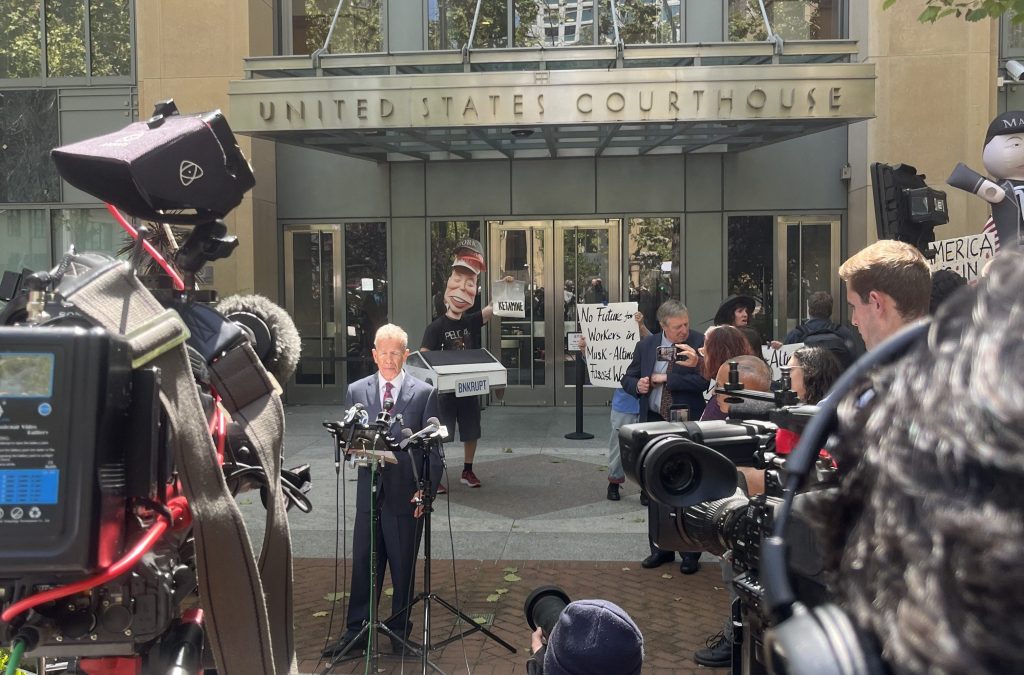
The legal battle between Elon Musk and OpenAI cofounders, alongside Microsoft, is often framed as a high-profile corporate feud. However, the most consequential verdict in recent tech history may hinge on something far more foundational: fiduciary duty and corporate governance.
As the jury deliberates, they must determine whether a charitable trust can be legally enforced against a nonprofit’s for-profit arm after years of aggressive commercial expansion. This case is not merely about market dominance; it is about the integrity of the legal structures that govern modern philanthropy in the technology sector.
Core Legal Questions Under Scrutiny
At the heart of the lawsuit are three specific legal inquiries that will define the outcome. The jury must weigh whether the foundational promises of OpenAI have been compromised by its commercial evolution.
- Breach of charitable trust: The central question is whether Musk’s donations, intended specifically for public-benefit AI, became entangled with the for-profit entity’s broader commercial goals. If the jury finds that the charitable intent was subverted, the legal landscape shifts dramatically.
- Unjust enrichment: Jurors are asked to consider if key figures were personally enriched through equity and valuation growth while the original nonprofit mission faded into the background.
- Aiding and abetting breach: A critical component involves Microsoft. The jury must decide if the tech giant knowingly facilitated corporate decisions that compromised the nonprofit’s charitable objectives, effectively acting as a partner in the alleged breach.
Statute of Limitations and the "Clean Hands" Defense
Before the substantive facts of OpenAI’s structure are fully judged, the defendants have raised a procedural hurdle that could end the case entirely: the statute of limitations.
The defense argues that Musk filed his suit too late, claiming that the alleged harms occurred before statutory deadlines. Specifically, they point to:
- 2018 for charitable trust claims.
- 2022 for enrichment claims.
- A 2021 cutoff for alleged unreasonable delay.
If the jury accepts these timelines, these defenses would extinguish the case outright, regardless of the merits of the fiduciary arguments.
Unreasonable Delay and Good Faith
Beyond the strict timelines, the defense is leveraging the clean hands doctrine. They argue that Musk’s timing suggests strategic maneuvering rather than urgent grievance, citing his filing in 2024 after years of OpenAI’s operational success.
Furthermore, the defense highlights Musk’s simultaneous pursuit of competing AI ventures, his personal financial incentives, and undisclosed relationships. These factors are presented to undermine claims of good faith, suggesting that Musk’s actions were motivated by commercial rivalry rather than a genuine commitment to the nonprofit’s original charter.
Implications Beyond the Courtroom
The outcome of this trial will ripple far beyond the immediate parties involved. A ruling in favor of the plaintiffs could force OpenAI to restructure into a purely charitable entity or require the dissolution of its for-profit subsidiary entirely.
Such a decision would reshape industry dynamics in profound ways:
- Limiting Private Access: It could restrict private-sector access to advanced AI capabilities, which are currently driven by the for-profit model.
- Shifting Control: It would move control back to public oversight mechanisms, fundamentally altering how AI development is funded and directed.
Strategic Outlook and Precedent
Lawyers are dissecting each defense with forensic precision, weighing complex financial timelines against alleged motives. Industry observers anticipate that the precedent-seting outcomes will define how mission-driven organizations balance profitability with altruistic intent.
Ultimately, the jury’s verdict may not just settle a corporate feud; it could redefine the legal boundaries of philanthropy in high-stakes technology environments. The decision will clarify whether a nonprofit can truly hold its for-profit arm to the standards of its original charitable mission, setting a new standard for accountability in the tech industry.