SpaceXAI Exodus: Over 50 Staff Depart Since Merger
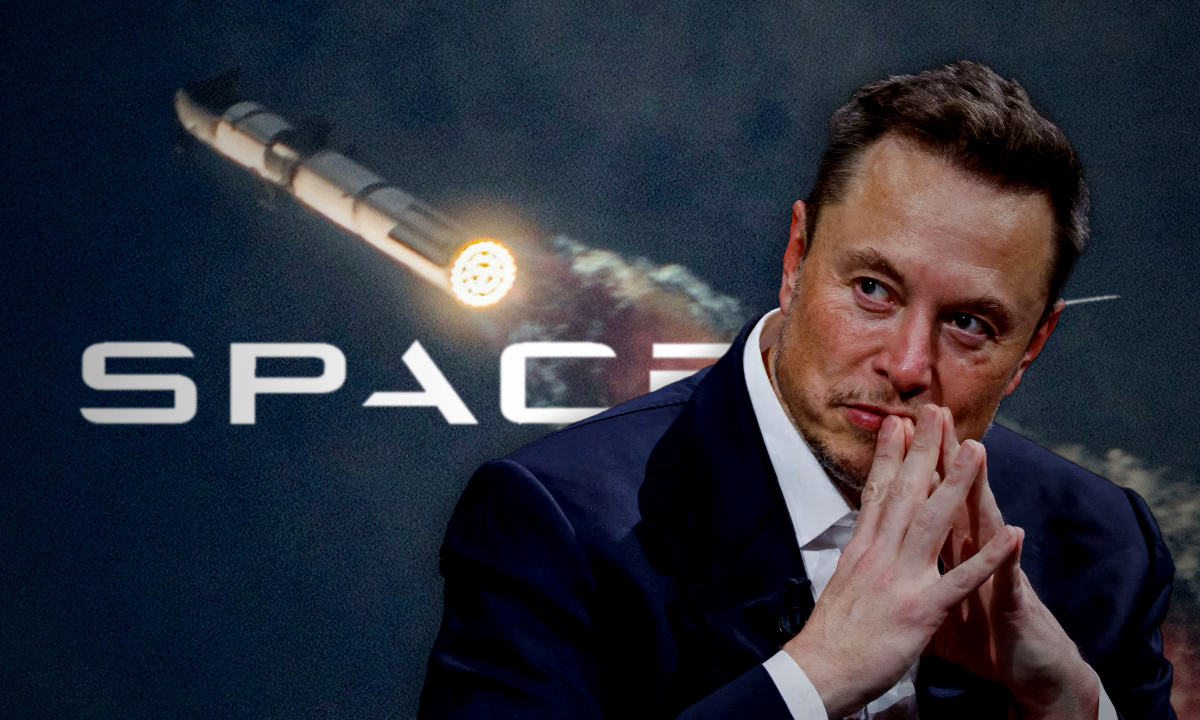
The rapid consolidation of tech giants often comes with a steep human cost, and Elon Musk’s SpaceXAI is no exception. Since its formation through a high-profile merger in February, the entity has reportedly seen more than 50 employees depart. This significant turnover rate has ignited intense scrutiny regarding the stability of the newly formed organization and the broader implications for talent retention in Musk’s expanding empire.
The exodus has raised critical questions about burnout within the company’s ranks. As SpaceXAI attempts to integrate complex AI technologies with SpaceX’s aerospace ambitions, the pressure on existing teams appears to have become unsustainable for many staff members. The departure of such a substantial number of employees so soon after the merger suggests deeper structural or cultural issues than simple organic growth.
Leadership and Retention Crises
A significant portion of the recent departures has been linked to leadership changes that occurred during and after the merger. When major corporate consolidations happen, it is common for executive structures to be redrawn, often resulting in key managers and directors losing their positions or influence. For high-performing AI talent, who are highly sought after in the current market, this instability can be a primary driver for seeking opportunities elsewhere.
Furthermore, the timing of these exits has led to speculation about liquidity events impacting retention incentives. In many tech acquisitions, employees are promised stock options or other financial rewards that vest over time. If previous liquidity events allowed staff to cash out early, or if the new merger structure devalued these incentives, it removes a key financial tether keeping top talent at the company.
The Impact of Talent Poaching
Beyond internal dissatisfaction, the tech industry’s fierce competition for AI experts cannot be ignored. Talent poaching remains a persistent threat, particularly in sectors where innovation is the primary currency. With SpaceXAI’s public profile skyrocketing, it has become a magnet for both competitors and new entrants looking to build similar capabilities.
The reported loss of over 50 staff members highlights a potential vulnerability in Musk’s strategy. While the merger may have accelerated technological integration on paper, the loss of institutional knowledge and skilled engineers could hinder long-term execution. Whether this is a targeted cleanup of redundant roles or a symptom of a failing retention strategy remains a subject of intense debate among industry analysts.
As SpaceXAI continues to navigate its post-merger identity, the focus will likely shift from headline-grabbing announcements to stabilizing its workforce. The coming months will be crucial in determining whether the organization can halt the bleed and rebuild trust with its remaining engineering talent.