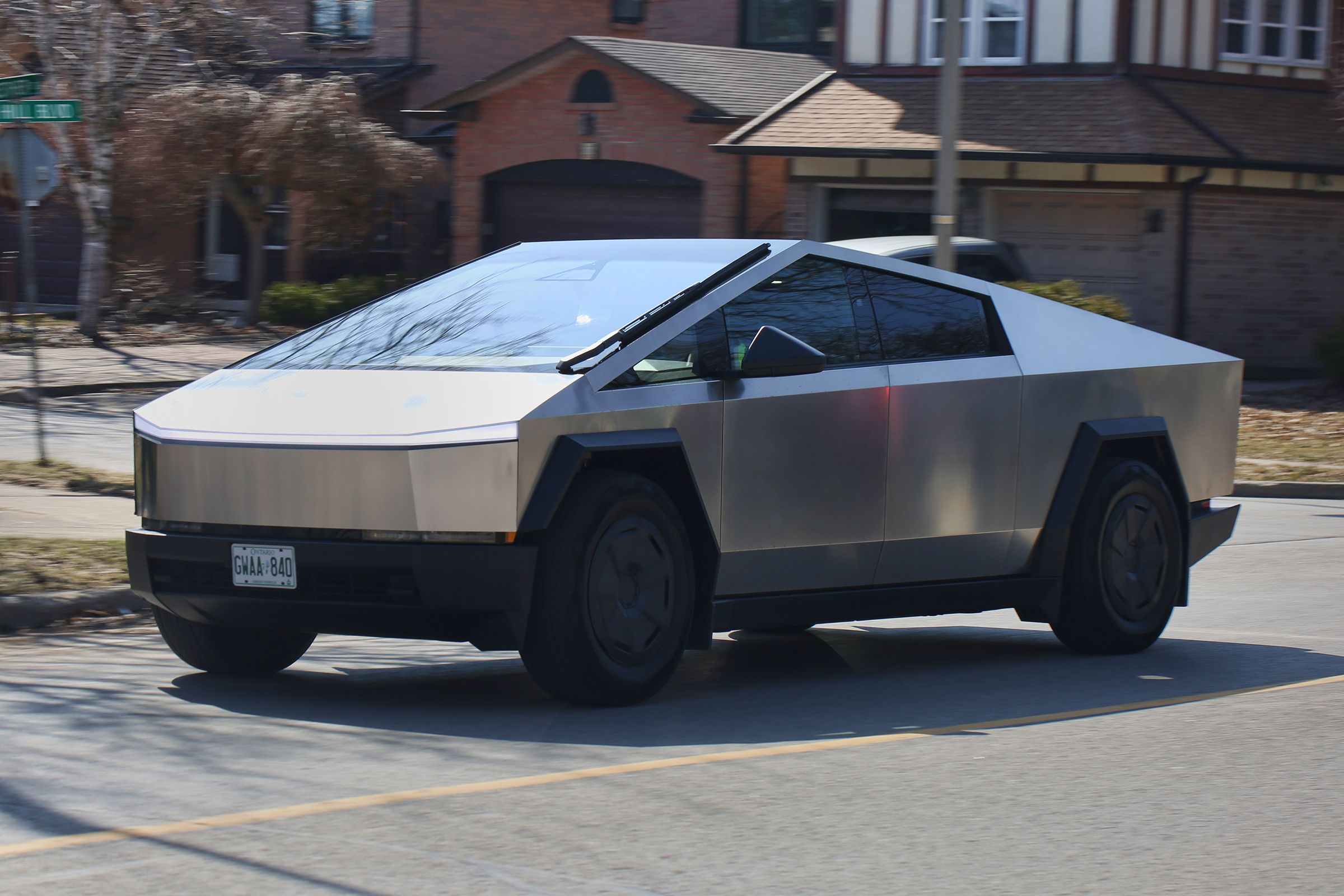
The hum of the electric motor blends with the crisp morning air as a Cybertruck rolls into view, its angular silhouette cutting through the cityscape like a blade. Suddenly, a low rumble escapes the wheels—a vibration felt more than heard—before a metallic crack echoes, followed by a sharp clatter as a wheel detaches mid-traffic. Passengers glance down in shock; drivers brake abruptly, swerving to avoid the fallen component. This is not a scene from a dystopian film but a growing reality for a subset of Cybertruck owners.
The Scope of the Recall
Tesla has initiated its 11th formal recall affecting Cybertruck models, this time targeting the Rear Wheel Drive (RWD) configuration built between specific dates. The National Highway Traffic Safety Administration (NHTSA) flagged the issue after identifying that improper lubrication and fastening procedures led to structural weaknesses in brake rotor assembly points. The core problem stems from applying an inadequate friction-modifying grease during manufacturing, which over time allowed wheel studs to loosen under road stress.
- Affected Models: RWD variants produced between [specific month/year range, e.g., late 2023–early 2024].
- Root Cause: Incorrect lubrication specifications caused accelerated thread wear on lug nuts.
- Risk Level: Moderate, contingent on driving conditions and vehicle age.
Engineering Failures and Human Oversight
The recall underscores how materials engineering errors can cascade into safety liabilities. Tesla’s internal memos, as reported by automotive analysts, reveal a disconnect between design intent and production execution. Engineers prioritized cost-efficiency in brake rotor mounting but overlooked long-term durability implications for wheel attachment points. This highlights a systemic challenge: balancing rapid innovation with rigorous quality assurance.
Jeremy White, senior innovation editor at WIRED, notes the incident reflects “a very specific materials problem” rather than production scale. With only 173 trucks impacted, critics argue this is not indicative of broader manufacturing flaws but a subset of a subset—victims of miscommunication between R&D and assembly lines.
Implications for Consumer Trust
Tesla’s history of recalls, including an early 2023 recall due to flawed structural adhesive, raises questions about quality control rigor. While the Cybertruck’s polarizing design attracts attention, reliability remains paramount. Owners now face not only inconvenience but psychological stress over potential safety risks—a tension that could erode confidence if unresolved.
Industry observers emphasize transparency as key. Elon Musk’s public acknowledgment of “small production changes having downstream impacts” acknowledges complexity without deflecting responsibility. This approach contrasts with prior skepticism surrounding Tesla’s rapid iteration cycles, suggesting an evolving corporate stance toward accountability.
Path Forward and Industry Impact
Tesla promises free replacement of wheel hubs, rotors, and fasteners for affected vehicles, framing it as a “preventative measure” rather than an admission of negligence. Technical experts stress that such issues are not uncommon in pioneering automotive designs; however, effective communication between engineering teams and manufacturing staff is critical to prevent recurrence.
For now, Cybertruck owners must schedule inspections while regulators monitor trends across NHTSA datasets. The incident serves as a reminder: even disruptive technologies require meticulous attention to foundational engineering principles.
As Tesla refines its approach to scaling production, the balance between ambition and precision will define its legacy. Ensuring that innovations like the Cybertruck’s exoskeleton design coexist with ironclad safety standards remains both challenge and opportunity—one that could shape public perception of electric mobility for years ahead.