Tesla Robotaxi Crashes: The Human Factor in Autonomous Driving
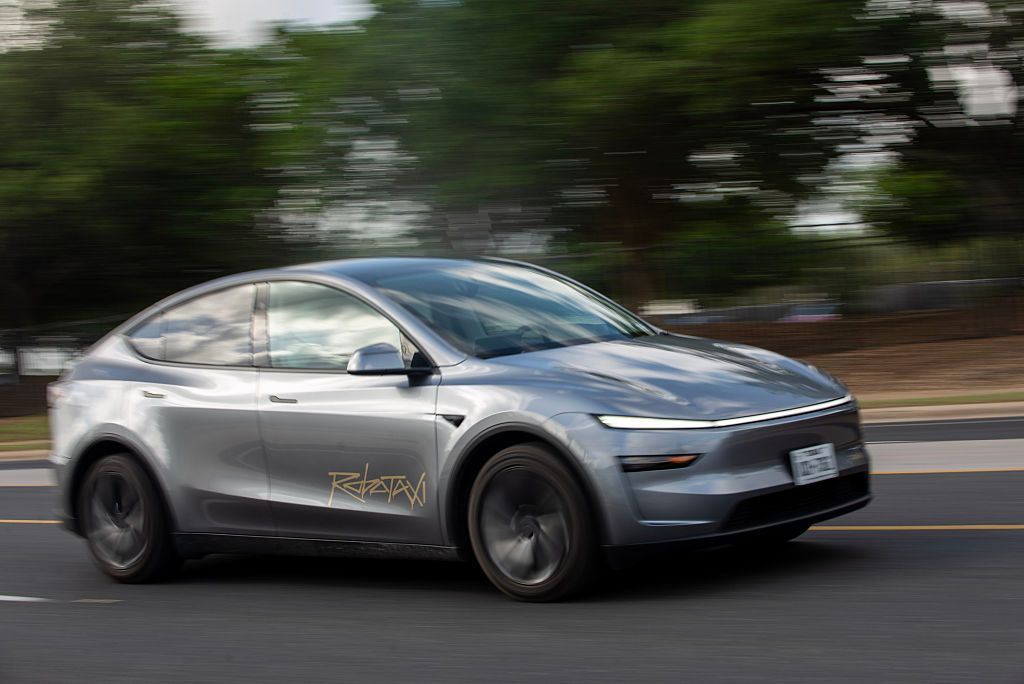
Tesla has recently opened the curtain on the mechanics of its robotaxi fleet, revealing critical details about two specific crashes that challenge the narrative of fully autonomous driving. These incidents highlight the complex, often overlooked relationship between machine intelligence and human oversight.
The disclosures confirm that both crashes involved safety monitors remotely operating vehicles that subsequently collided with fixed objects. Occurring under controlled conditions at low speeds, these events illustrate a reality often obscured by marketing claims of "fully driverless" technology. The incidents serve as a granular look at when and how operators manually override autonomous systems.
Operational Details of the Incidents
The two disclosed collisions occurred in Austin, Texas, with the first incident taking place in July 2025 and the second in January 2026. Understanding the context of these crashes is essential for evaluating the current state of Tesla’s autonomous capabilities.
Key operational parameters of these incidents include:
- Unoccupied Vehicles: The cars were empty of passengers at the time of the collisions.
- Remote Intervention: Safety monitors were present but remained inactive until manual intervention was required.
- Low-Speed Environments: Both vehicles were traveling below 10 mph, indicating low-risk scenarios where human response is typically expected.
These conditions suggest that the failures were not due to high-speed chaotic traffic but rather specific challenges in navigating static obstacles under remote control.
Technical and Latency Challenges
The mechanics behind these crashes point to significant latency concerns. Remote operators attempting to correct the vehicle’s path in real-time faced delays that proved critical in avoiding collision. The data from these events suggests that current systems struggle to interpret static obstacles versus dynamic traffic scenarios effectively.
This tension between autonomous aspirations and operational readiness is a defining feature of current deployments. Human oversight is not merely an interim phase but an embedded component of Tesla’s current operations. This reflects both pragmatic necessity and unresolved technical hurdles in achieving true independence.
Industry Context and Regulatory Transparency
The inclusion of these crashes in federal databases marks a shift toward greater transparency, albeit one that arrives after a prolonged period of opacity for the industry. Advocates for autonomous technology highlight that remote control remains a necessary fallback mechanism, underscoring a systemic dependency during edge cases.
Media coverage has intensified scrutiny on companies positioning autonomy as "complete" while relying on human backups. This raises important questions about training standards and interface design for remote operators.
Comparative Industry Practices
While competitors typically restrict remote operators to advisory roles—such as Waymo’s 2 mph limit for remote intervention—Tesla appears to permit more direct control. This difference raises questions about the cognitive burden placed on remote personnel who must monitor multiple vehicles simultaneously in urban environments where connectivity reliability can vary.
Noah Goodall’s commentary on these issues underscores the deeper systemic problems:
- Connectivity Reliability: Urban environments pose significant challenges for stable remote links.
- Latency Variability: Delays in data transmission directly affect reaction times and crash outcomes.
- Cognitive Load: Monitoring multiple vehicles simultaneously creates a high-stress environment for safety monitors.
The Path Forward for Autonomous Mobility
These disclosures contextualize broader industry practices and signal that full independence remains aspirational rather than operational across the sector. The recurring presence of safety monitors, though framed as safety nets, indicates that the technology is not yet ready to operate without human intervention in all scenarios.
Future developments will likely focus on:
- Tightening communication channels between human operators and autonomous systems.
- Refining situational awareness tools for remote monitors.
- Establishing clearer protocols for intervention in ambiguous situations.
In the long arc of mobility innovation, Tesla’s robotaxi program exemplifies a transitional stage where human judgment remains integral despite automation rhetoric. The path forward hinges on aligning technological maturity with operational reality—balancing ambition with accountability in ways that serve safety without sacrificing progress.
While incidents involving vulnerable road users like dogs or infrastructure elements such as fences highlight the stakes, the visibility afforded by these disclosures may accelerate improvements in both regulatory frameworks and consumer confidence. The paradox of autonomous vehicle development lies in its dual nature: it is a fully automated ambition that currently relies heavily on human oversight.