Even the most sophisticated survival hardware is useless if it fails to address basic biological needs. While popular imagination often associates preparedness with tactical weaponry, modern disaster mitigation relies heavily on maintaining access to clean water and breathable air. As climate volatility increases the frequency of wildfires and severe weather, knowing what essential gear for an emergency kit should include is vital for both car kits and mobile go-bags.
Maintaining Hydration: Vital Essential Gear for an Emergency Kit
Staying hydrated during a sudden evacuation requires more than just carrying bottled water; you need the ability to process whatever sources you find along the way. Experts suggest a baseline of one gallon of water per person, per day, but the weight of such a supply is often too heavy for a mobile bag.
To solve this, portable filtration and chemical treatments are indispensable. Products like Aquamira water treatment drops or the Katadyn BeFree filter allow for the rapid purification of found sources, making them essential for long-term mobility.
Food requirements should prioritize caloric density and shelf stability. While a pantry stocked with canned beans and sardines provides a foundation for sheltering in place, a mobile kit benefits from dehydrated meal kits, such as those produced by Mountain House. These options offer high nutrient density without the excessive weight of traditional goods. For those forced to cook without a functional power grid, a small, portable propane stove—like a classic Coleman model—can provide a means of preparing warm food in a ventilated area.
Managing Power and Air Quality During Grid Failure
A sudden loss of the electrical grid presents two primary threats: the loss of communication and the degradation of air quality. During wildfire-based seasons, smoke inhalation becomes a critical risk that necessitates specialized equipment.
Beyond simple N95 masks, advanced solutions like HEPA air purifiers or even DIY setups utilizing MERV 13 filters and box fans can significantly reduce particulate matter in a shelter-in-place scenario.
Power management is equally vital for modern connectivity. A robust selection of high-capacity power banks ensures that smartphones, which serve as primary tools for receiving emergency alerts, remain functional. The ability to maintain a charge during a week-long outage can be the difference between being informed and being isolated. Furthermore, protecting digital assets with a Faraday bag can safeguard essential documents and hardware from unexpected electromagnetic interference or theft.
The Ultimate Go-Bag and Car Kit Checklist
When preparing a vehicle kit or an evacuation bag, focus on items that facilitate autonomy and documentation:
- First-aid supplies: Including bandages, antiseptics, and any necessary prescription medications.
- Light sources: High-lumen flashlights and extra batteries to navigate dark environments.
- Physical maps: Digital navigation fails when cellular towers go down or batteries die.
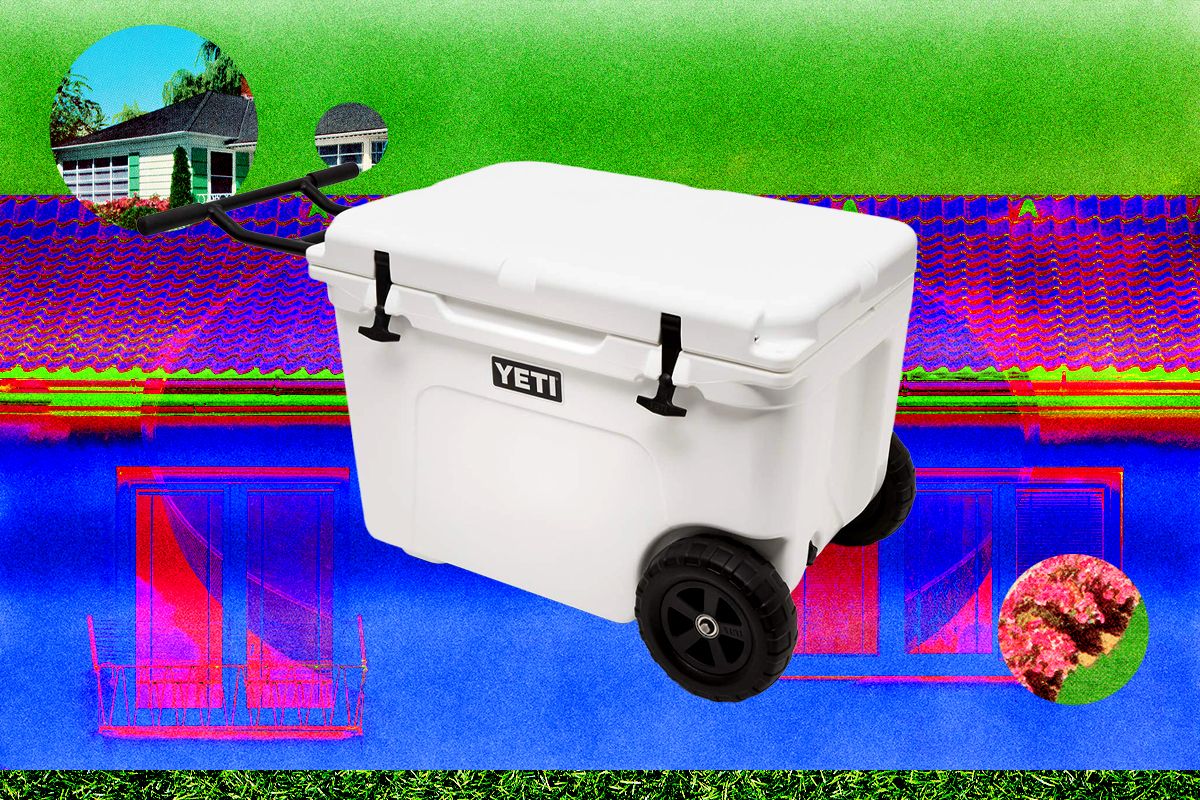
- Temperature control: A small, durable cooler for the preservation of temperature-sensitive medications.
- Communication tools: Radio access and emergency apps for real-time updates.
The Verdict on Preparedness
Disasters rarely adhere to a predictable schedule, and the window between an evacuation order and the necessity of movement can be incredibly narrow. Effective preparedness is not about stockpiling gear for a hypothetical apocalypse, but rather building a modular system that addresses immediate needs.
The goal is to reduce the friction of chaos. By focusing on essential gear for an emergency kit—specifically hydration, nutrition, and communication—you ensure that when the power fails or the smoke rolls in, your most critical tools are already within reach.