A single, stray thought can vanish into the ether of a crowded coffee shop if it isn't captured immediately. The tactile friction of a pen against paper provides a cognitive anchor, helping to solidify fleeting ideas before they dissolve. However, the physical clutter of overflowing binders and lost sticky notes has driven a significant shift toward E Ink technology.
Digital notebooks have evolved far beyond mere tablets, offering a specialized sanctuary for focus that is devoid of the intrusive notifications found on a standard smartphone or iPad. As we navigate 2-026, finding the right device means choosing between pure writing canvases and versatile reading hybrids.
The Premium Standard: reMarkable Paper Pro and Paper Pure
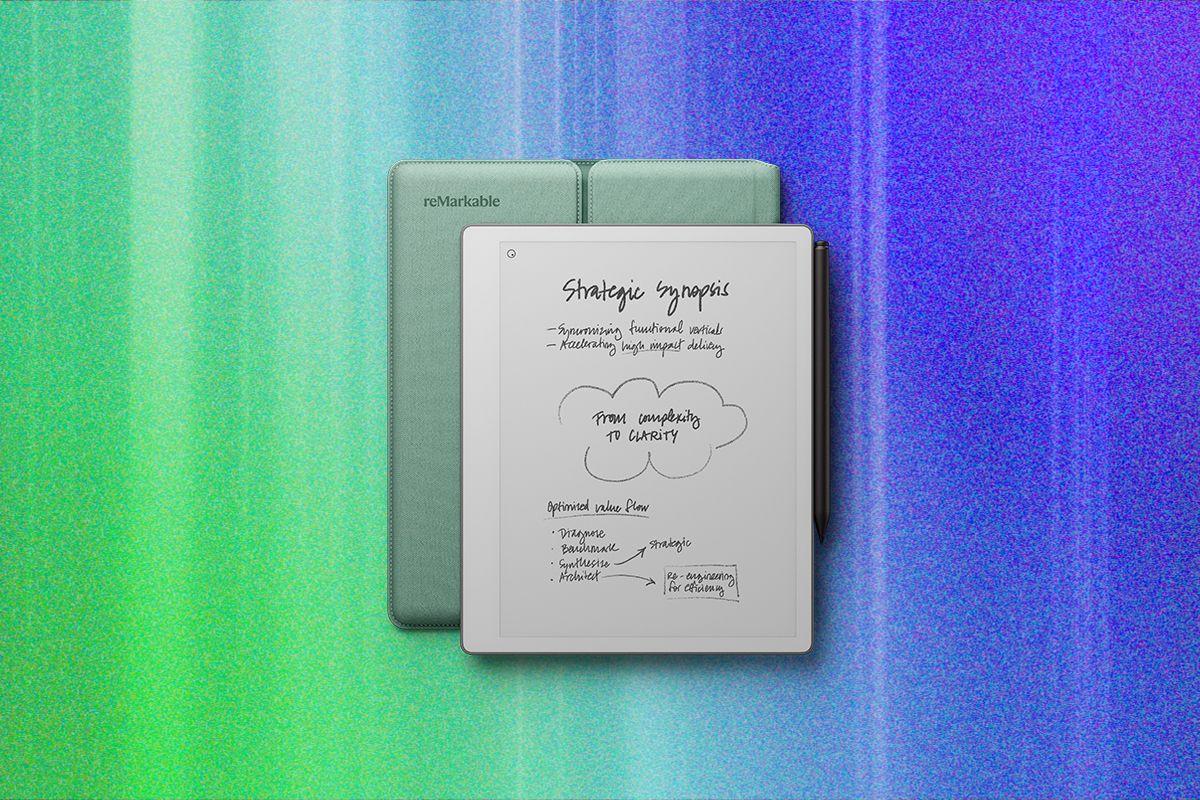
For those who view digital writing as a professional craft, the reMarkable ecosystem remains the gold standard. The reMarkable Paper Pro ($679) represents the pinnacle of this lineup, introducing a much-needed color screen to a brand previously defined by monochrome precision. Its 10.8-inch display features a matte finish that mimics the tooth of high-quality paper, making the transition from physical journals nearly seamless.
The Paper Pro is not merely an incremental update; it introduces integrated ambient light technology, allowing for legible note-taking in dimmed environments like late-night flights or darkened lecture halls. While the device excels at organization through tags and folders, its true strength lies in its ecosystem:
- Cloud Integration: Seamlessly sync with Google Drive, Dropbox, and Microsoft OneDrive.
- Advanced Input: Supports the Marker Plus, which includes a functional eraser for rapid corrections.
- Content Workflow: A dedicated Chrome extension allows users to send web articles directly to the device for focused reading.
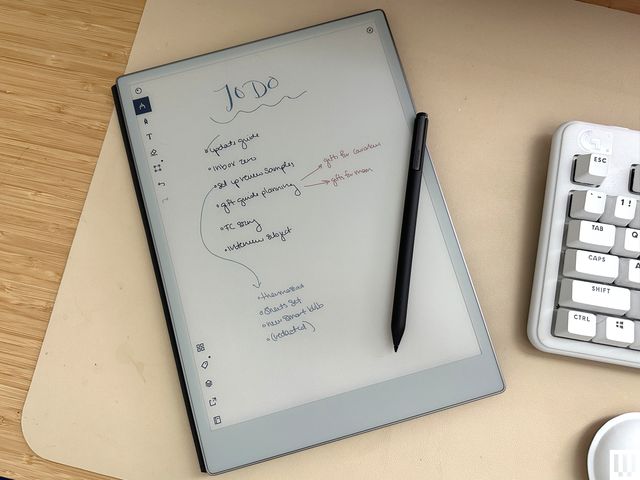
For users who prioritize the writing sensation over color or front-lighting, the reMarkable Paper Pure ($399) serves as an exceptional budget-friendly alternative. It replaces the aging reMarkable 2 with a crisper, higher-contrast black-and-white screen. While it lacks the keyboard folio capabilities of its more expensive sibling, it provides one of the purest "paper-like" experiences available for those who simply want to write without distraction.
Versatility and Reading: Kobo and Kindle Scribe
Not every digital notebook needs to be a blank canvas; some are better utilized as tools for deep reading and annotation. The Kobo Libra Colour ($230) has carved out a specific niche for bibliophiles who want to interact with their library. Unlike more rigid systems, the Libra allows for vibrant, color annotations, enabling users to underline passages in up enough different shades.
The Kobo experience is defined by freedom of movement within the text. Users can utilize a specialized brush tool or highlighter mode to mark up e-books directly. This makes it an ideal choice for students or researchers who need to dissect texts rather than just store them. The Stylus 2 further enhances this with an object eraser, allowing for clean, professional-looking margins even after heavy use.
In contrast, the Amazon Kindle Scribe (2nd Gen) ($400) functions more as a high-end hybrid. It is essentially a massive e-reader that happens to possess noteworthy note-taking capabilities. While it lacks the expansive annotation freedom of Kobo—limiting users to "Active Canvas" pop-ups and sidebars—it offers unparalleled convenience for any Amazon ecosystem user.
The Scribe's primary advantage is its sheer endurance, boasting a battery life of up to 12 weeks. It is less about replacing a notebook and more about augmenting a reading habit. For those who primarily use their device for journaling, list-making, or light doodling between chapters, the Scribe remains a powerhouse of efficiency.
Selecting the Best Digital Notebooks for Your Workflow
The choice between these best digital notebooks ultimately depends on your intended workflow. The market has bifurcated into three distinct categories:
- The Professional Creator: Requires the reMarkable Paper Pro for its large canvas, color support, and robust file management.
- The Active Annotator: Needs the Kobo Libra Colour to highlight and interact with literature using a colorful palette.
- The Minimalist Reader: Benefits most from the Kindle Scribe, prioritizing battery longevity and library access over complex note architecture.
As we move further into 2026, the gap between "reading" and "writing" on digital paper continues to close. We are witnessing a transition where the distinction between an e-reader and a digital notebook is becoming increasingly blurred, offering users more specialized tools than ever before. Whether through the high-fidelity experience of reMarkable or the utility of Kindle, the era of the disposable paper note is rapidly coming to an end.