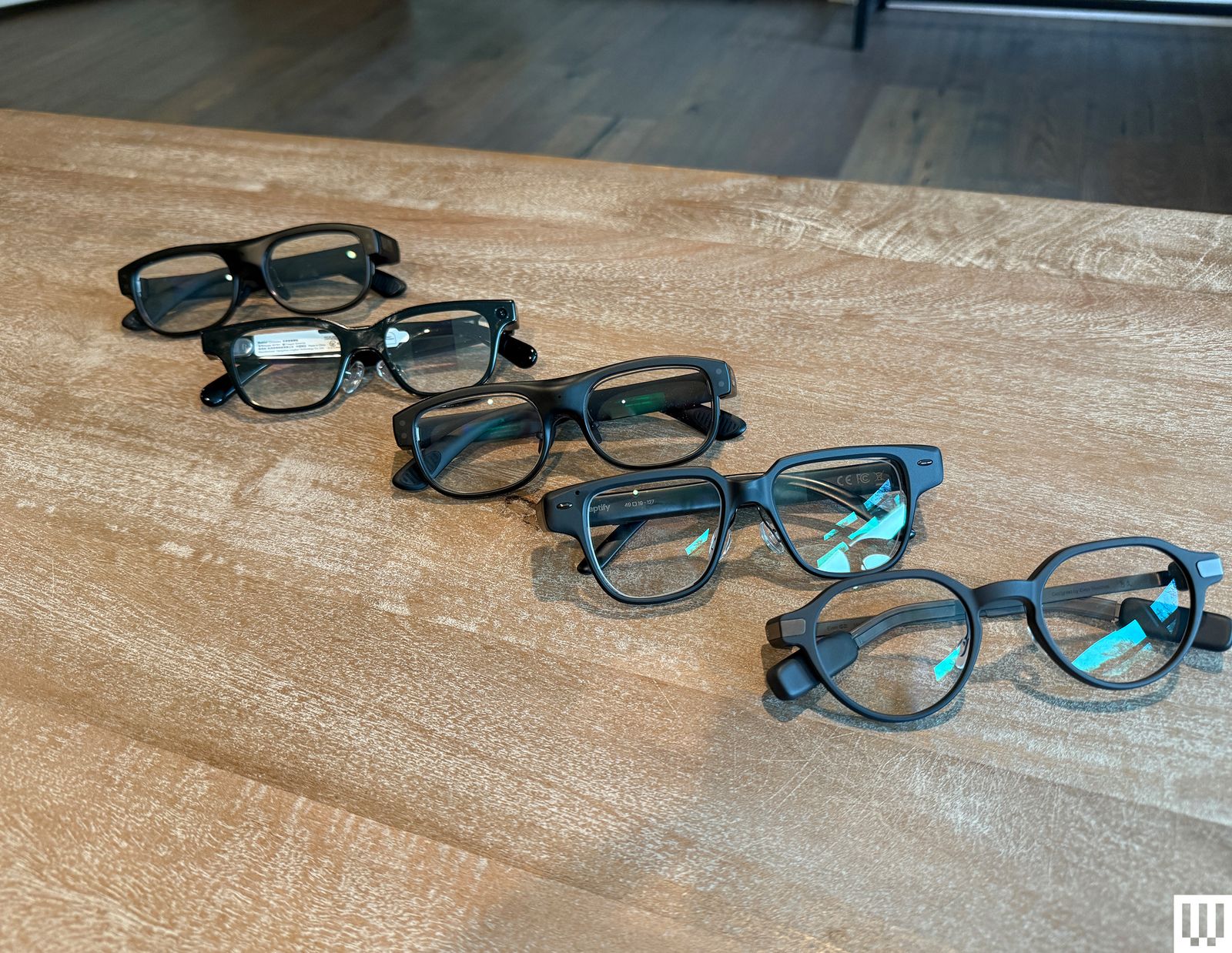
Why Live-Captioning Smart Glasses Matter in 2026
The crisp chime of a friend’s voice echoes from across a bustling café, yet their words arrive muffled and unclear behind a wall of ambient noise. You reach up, adjust the sleek black frame perched on your nose, and instantly the scene sharpens: speech materializes as crisp, green text that hovers just above the table, neatly transcribed in real time. This is not a dream, but the daily reality for early adopters who have tested live-captioning smart glasses in 2026, a category that has matured beyond novelty into a practical accessibility tool and lifestyle upgrade.
In an era where communication flows both ways, from silent subtitles to instant translations, these devices aim to democratize hearing while adding layers of productivity for all users. Hands-on evaluation of the top models reveals which pair manages to balance accuracy, comfort, and value without forcing wearers into a future that feels more sci-fi than sensible.
How They Work and What to Expect
Live-captioning smart glasses operate by capturing ambient audio through integrated microphones and converting it into text displayed directly onto each lens. Unlike conventional hearing aids or standard smart eyewear, their core mission is the conversion of sound into legible captions, often with a secondary twist of translation. The output appears as minimalist green text, designed for legibility without overwhelming peripheral vision. Key capabilities include:
- Real-time transcription that captures conversations, meetings, or media dialogue instantly.
- On-device and cloud archiving for storing transcripts on linked mobile devices.
- Two-way translation using AI models, with some models doubling as basic voice assistants.
- Navigation and contextual help, overlaying directions, news headlines, and calendar reminders directly onto your field of view.
These features combine to make the glasses not only an aid for people with hearing loss. They also function as a reliable multitasking companion for busy professionals and travelers alike. You will notice how quickly the technology integrates into daily routines once you adjust to the visual overlay.
Standout Performer and Notable Alternatives
While several vendors entered the space, testing identified the Even Realities G2 as the only model offering both premium hardware and comprehensive functionality out of the box. Its 43-gram design uses a lightweight frame and optional smart rings for discreet control, supporting 35 languages and delivering up to ten hours of use per charge with an expandable battery case. Summaries, map directions, and news feeds are accessible via a customizable dashboard, features rarely found in competitors’ offerings.
Other options attempted to carve out niches in the crowded market. Each falls short in specific areas, forcing buyers to weigh trade-offs carefully. You can see exactly where the compromises lie in the hardware specifications:
- Leion Hey 2 leads on affordability but weighs heavier at 50 grams (60 with prescription lenses), offers shorter battery life, and struggles with AI output accuracy.
- XRAI AR2 matches Leion’s build weight and battery capacity while boasting a bright display, yet similar issues persist in translation quality and UI polish.
Each model shares core transcription responsibilities, but the G2 stands apart through refined controls, robust app ecosystems, and seamless integration of off-device AI services.
Real-World Use Cases and Limitations
The glasses excel at capturing dialogue during meetings or lectures when positioned correctly, though comfort limits continuous wear to shorter sessions due to perceived bulk and weight distribution. Offline operation remains unreliable; stable connectivity ensures clearer transcripts and more accurate real-time translations. Subscription expectations vary, as most vendors bundle essential features without recurring fees, but advanced AI, higher language counts, and offline support typically require premium plans.
Prescription versions introduce additional complexity: magnetic attachment or clip-on lens systems must match vision requirements precisely, as improper fitting compromises both clarity and comfort. Users seeking stylish options may find modern frames appealing, though bulk remains an unavoidable trade-off for integrated tech. Navigating the market for live-captioning smart glasses requires looking past these early hardware quirks to find the right balance.
The Verdict: Are They Worth It?
For those navigating environments rich with spoken content, from bustling restaurants to international conferences, the G2 emerges as the only viable all-in-one solution. Its blend of reliability, multilingual support, and optional AI features positions it above competitors that falter on battery life, comfort, or translation quality. While bulkiness and connectivity dependency present practical hurdles, improvements in lightweight designs and offline processing hint at a future where such devices are as unobtrusive as they are indispensable.
If the goal is simply to capture speech when needed without turning every conversation into silent captions for later review, these glasses already deliver a compelling return. As standards evolve, expect refinements that balance utility with subtlety, making daily interaction with live text smoother and more natural than ever before.