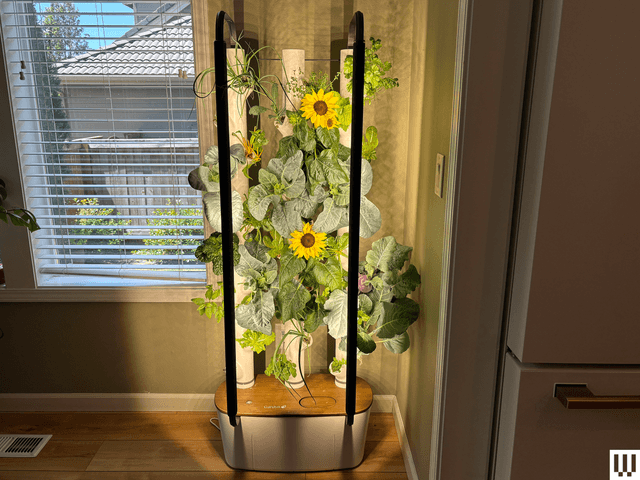
Indoor vertical gardening structures can belie their indoor placement, often producing harvests comparable to small backyard patches. Most setups involve connecting proprietary pods to illuminated shelving units, promising edible abundance without the need for arable soil or perfect sunlight angles. After a full year of testing, finding the best indoor garden systems requires looking past the sleek aesthetics to evaluate genuine yield potential against maintenance overhead.
Evaluating Automated Hydroponic Performance and Scale
The market is currently split between two philosophies: plug-and-play simplicity with mandatory subscriptions, and modular, DIY approaches that require more user commitment. The most sophisticated units operate on closed-loop hydroponic principles, circulating nutrient-rich water through visible root systems to maximize uptake efficiency.
A key differentiator among the tested models was the level of necessary human intervention. While many brands advertise total automation via AI monitoring, real-world performance revealed that peak longevity and optimal yield still demand attentive management. Software cannot entirely replace the need for:
- Nutrient flushing cycles to prevent salt buildup.
- Physical pruning of encroaching root systems.
- Manual scrubbing of the water reservoir.
When comparing different models, capacity is a major factor. Systems range from small herb stations suitable for a single counter corner to large vertical towers capable of supporting multiple different crops simultaneously. Furthermore, crop versatility—the ability to pivot between leafy greens, herbs, and fruiting vegetables like miniature tomatoes—dictates the overall utility of your setup.
Smart Tech Integration vs. Manual Control Overhead
The integration of smart technology is the most polarizing feature in the current market. Premium units often pair with companion apps that manage lighting cycles, nutrient dosing, and watering schedules using AI-driven analytics. This connectivity provides unparalleled convenience, featuring "Vacation Modes" that ensure optimal environmental parameters are met even when you are away.
However, relying on these proprietary ecosystems introduces new challenges:
- Cost Escalation: Subscription models lock users into specific vendor service structures.
- Security Risks: As seen in recent industry advisories for connected home goods, network vulnerabilities require constant vigilance regarding firmware updates.
- System Failure: Dependence on a single app or server can render an expensive unit useless if the manufacturer ceases support.
The value proposition shifts depending on your gardening skill level. A novice user benefits immensely from systems like the Gardyn Home 4.0, where integrated sensor feedback minimizes guesswork. Conversely, experienced gardeners may prefer less "smart" units that allow for experimentation with different nutrient mixes without a premium service fee.
Assessing Long-Term Sustainability and Yield
Determining whether these setups actually save money on groceries requires calculating the initial cost against ongoing consumables, such as nutrients and replacement pods, plus electricity draw. While visually impressive, scaling up yields often hits diminishing returns due to ambient room temperatures or limited light spectrum output from integrated grow lights.
The physical footprint is also a limiting factor. While verticality solves floor space issues, excessive biomass buildup can strain the plumbing or electrical capacity of smaller units over time. To find the best indoor garden systems for your home, you must choose a system whose maximum stated capacity aligns with your actual usable area.
Before committing significant capital, consider these core operational parameters:
- Maintenance Frequency: How often can you realistically manage root checks and reservoir cleanouts?
- Power Draw: Is the continuous wattage consumption acceptable for your electricity budget?
- Scalability: Can you add capacity units if your initial harvests exceed expectations?
Ultimately, these indoor gardens represent a sophisticated intersection of horticulture and IoT appliance design. Whether you prefer near-effortless success through paid services or deep customization through manual labor, the right choice depends on whether convenience justifies the recurring costs throughout 2026 and beyond.