What if the most critical decision you make before stepping outdoors isn't choosing a trail map or checking the weather, but selecting the right insect protection? In regions where mosquitoes and ticks are persistent, your choice of repellent can determine your comfort, safety, and long-term health.
Modern formulations have evolved far beyond the outdated notion that "stronger is always better." Today, finding the best bug spray requires a nuanced understanding of options tailored to different activities, skin sensitivities, and environmental needs.
Understanding Active Ingredients in Bug Spray
The landscape of insect repellents now balances efficacy, safety, and practicality with unprecedented precision. To find the best protection, you must understand the four EPA-recognized active ingredients that dominate the market:
- DEET: The gold standard since the 1950s, DEET remains highly effective against both mosquitoes and ticks. At a 20% concentration, it provides up to 11 hours of mosquito protection and 2–10 hours against ticks. However, its oily texture can degrade plastics, so use it carefully around gear.
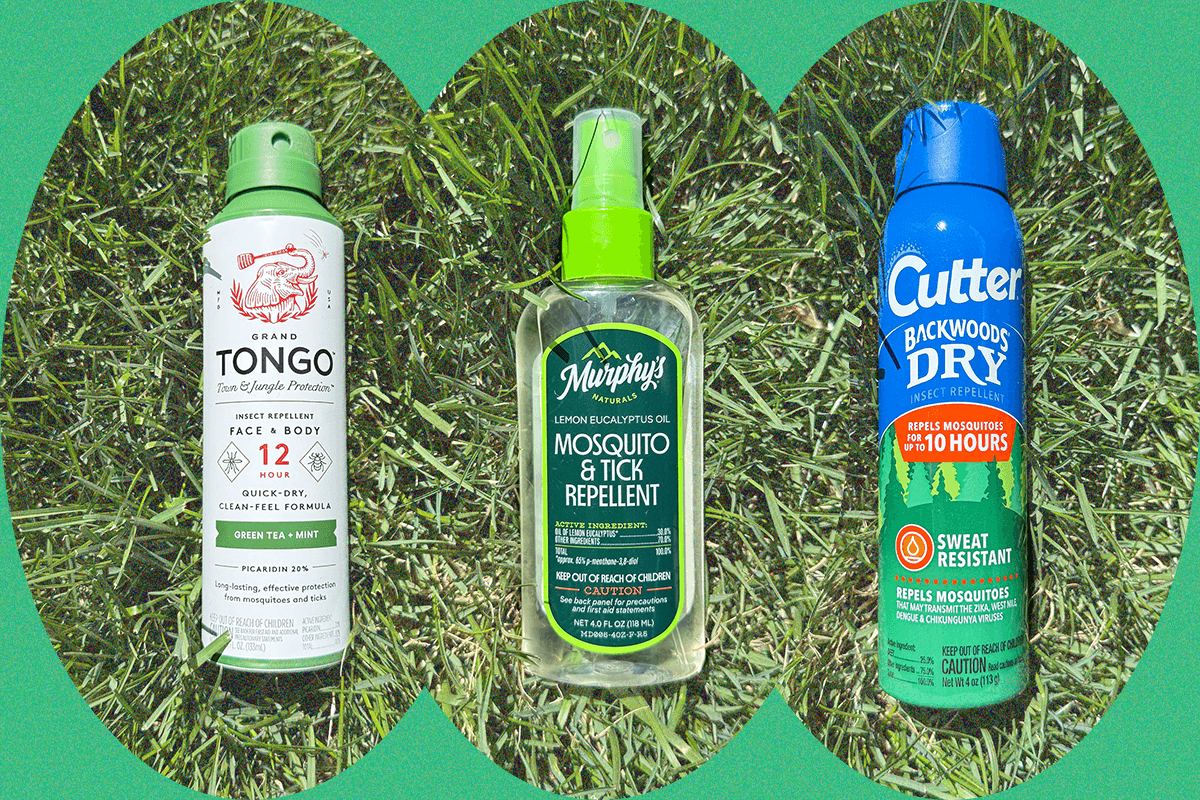
- Picaridin: A synthetic alternative gaining popularity for its milder sensory profile and fabric safety. It matches DEET’s duration at comparable concentrations but avoids unpleasant odors and won't damage your expensive outdoor equipment.
- IR3535: While slightly less potent against mosquitoes than DEET or picaridin, it has shown superiority against ticks in specific studies. This is a great choice for low-risk environments where tick-borne disease risk is moderate.
- Oil of Lemon Eucalyptus (OLE/PMD): For those seeking a plant-based, non-synthetic option, OLE is the top contender. While safe for children over three at concentrations $\le$3 effectively, its shorter duration requires more frequent reapplication.
How to Choose the Best Bug Spray for Your Needs
When searching for the best bug spray, concentration matters less than you might think once you hit baseline thresholds. For most outdoor scenarios, 20–30% formulations deliver sufficient protection without diminishing returns. Higher concentrations only extend duration marginally and rarely justify the extra cost.
Your environmental context should dictate your choice:
- Humid Climates: Demand longer-lasting options like DEET or Picaridin to combat heavy mosquito activity.
- Urban Settings: You might prioritize odor-neutralizing properties to minimize social discomfort.
- Sensitive Skin/Families: Picaridin presents fewer physiological risks, making it a favorable choice for children or those with sensitive skin.
Application and Safety Tips
Regulatory bodies like the CDC and EPA validate these ingredients through rigorous testing. It is worth noting that concerns regarding neurotoxicity linked to DEET are largely unfounded in real-world use; documented adverse reactions occur at rates below one in 100 million exposures.
To maximize your defense, follow these application best practices:
- Apply Sunscreen First: Sunscreen should precede repellent to prevent excessive chemical buildup on the skin.
- Choose Your Delivery Method: Lotions offer tactile precision but can feel heavy; sprays provide broader coverage but require even distribution; wipes are perfect for travel logistics.
- Match the Gear: Use picaridin if you are worried about protecting synthetic fabrics and plastics from chemical degradation.
Ultimately, selecting the best bug spray hinges on aligning your specific needs with verified performance metrics. By prioritizing proven ingredients and matching protection levels to your activity intensity, you can ensure a safe and comfortable outdoor experience.